Senate Confirms Trump Ally as Fed Chairman Amid Inflation Crisis
Senate confirms Kevin Warsh as Federal Reserve chairman in a narrow partisan vote, handing President Trump control of monetary policy as Americans face surging inflation and an energy crisis.
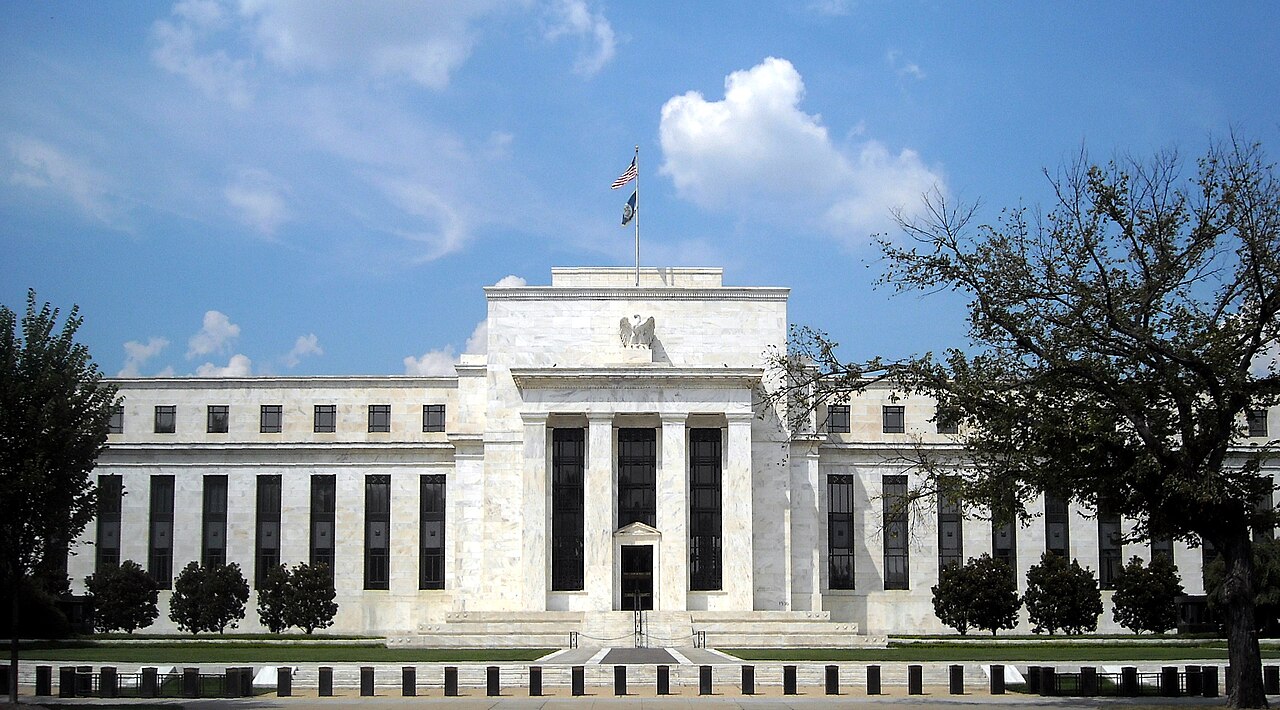
The Senate confirmed Kevin Warsh as Federal Reserve chairman Wednesday in a 54-45 vote, handing President Trump decisive control over American monetary policy as families across the country watch their grocery bills and gasoline prices climb.
Warsh takes the reins Friday against a backdrop of surging inflation, an ongoing oil crisis, and intense market skepticism about whether he can deliver the rate cuts Trump demands.
The confirmation represents a fundamental realignment of monetary policy toward Trump's growth-oriented agenda. Republicans executed a political mandate to transform the historically independent institution, with all 53 Republicans voting yes. Only one Democrat—Sen. John Fetterman of Pennsylvania—broke party ranks to support Warsh.
Warsh inherits an economy at a precarious crossroads. April's consumer price index surged 3.8 percent year-over-year, the highest reading since May 2023. Wholesale inflation jumped 6 percent. Crude oil prices climbed from $67 to $100 per barrel following the Iran war, pushing gasoline prices up 28.4 percent.
Markets assign just a 1 percent chance of the rate cut Trump has repeatedly demanded before year-end. Investors instead see a 34 percent probability of a rate increase despite administration pressure. The federal funds rate remains at 3.50-3.75 percent, unchanged for three consecutive meetings.
"I will be an independent actor if confirmed as chairman of the Federal Reserve," Warsh testified during his April 21 confirmation hearing. He also criticized what he called "the fatal policy error going back four or five years" that created a legacy the central bank still confronts.
Trump has relentlessly attacked outgoing Chair Jerome Powell as a "moron" and "numbskull" while joking he would sue Warsh if rates don't fall. The president's December declaration that "anyone that disagrees with me will never be the Fed chairman!" underscored the political stakes behind this appointment.
Democrats launched fierce resistance to the nomination. Sen. Elizabeth Warren labeled Warsh a "sock puppet" for the president, warning "Republicans will come to regret their decision to aid and abet President Trump's Fed takeover." Senate Republicans countered that Democrats oppose all Trump nominees regardless of qualifications.
Sen. Thom Tillis blocked the nomination through committee until the Justice Department dropped its criminal investigation into Powell over Fed headquarters renovation costs. Tillis told reporters, "Let's get rid of this investigation so I can support your confirmation," before voting yes.
Treasury Secretary Scott Bessent hailed the confirmation as ushering in "a new day at an institution that is in need of accountability, sound policy guidance." White House spokesman Kush Desai called it "a welcome step toward finally restoring accountability, competence, and confidence in Fed decision-making."
The transition breaks with tradition as Powell will remain on the Fed Board through January 2028 despite ending his chairmanship Friday. "I plan to keep a low profile as a governor," Powell stated. "There is only ever one Chair of the Federal Reserve Board."
Powell's unprecedented decision to stay alongside the resignation of Governor Stephen Miran reshuffles Federal Open Market Committee dynamics. Miran dissented at every meeting in favor of rate cuts but will depart before Warsh's swearing-in.
Fetterman defended his controversial vote, stating, "I've met Kevin Warsh and believe he will be transparent and responsive to Congress and the public." His support earned praise from Bessent for "putting country before political ideology."
Everyday Americans face immediate consequences from the leadership change. Grocery prices rose 2.9 percent year-over-year, with beef and veal up 14.8 percent. Restaurant prices increased 3.6 percent while shelter costs climbed 3.3 percent.
"American households continue to feel the brunt of surging energy costs," said James McCann, senior economist at Edward Jones. "With the Strait of Hormuz still effectively shuttered, the risk that we are not past the peak of these price pressures is rising."
Warsh brings extensive financial sector experience as a former Morgan Stanley investment banker and Fed governor from 2006 to 2011. At 35, he became the youngest governor in Fed history. His financial disclosures reveal more than $100 million in assets.
The 56-year-old Stanford professor must now navigate conflicting pressures. Trump demands lower rates. Inflation exceeds the Fed's 2 percent target for the fifth consecutive year. Market expectations defy political directives.
"The addition of Kevin Warsh to the FOMC will not swing the balance between doves and hawks," noted Josh Jamner of ClearBridge Investments, suggesting incremental rather than radical immediate change.
Yet the confirmation vote itself signals a watershed moment. The partisan divide reveals that control of monetary policy has shifted from technical economic management to an ideological battleground. Republicans secured authority to align the Fed with conservative economic principles.
As Warsh prepares to take the oath Friday, his pledge of independence faces immediate testing against presidential pressure, market skepticism, and persistent inflation that shows no sign of abating. Americans waiting at checkout lines and gas pumps will be watching closely.