China Restores U.S. Beef Exports Following Trump's Beijing Summit
China abruptly reversed export bans on American beef and poultry after Trump's Beijing summit, restoring vital market access to U.S. ranchers who endured a 67 percent shipment collapse last year.
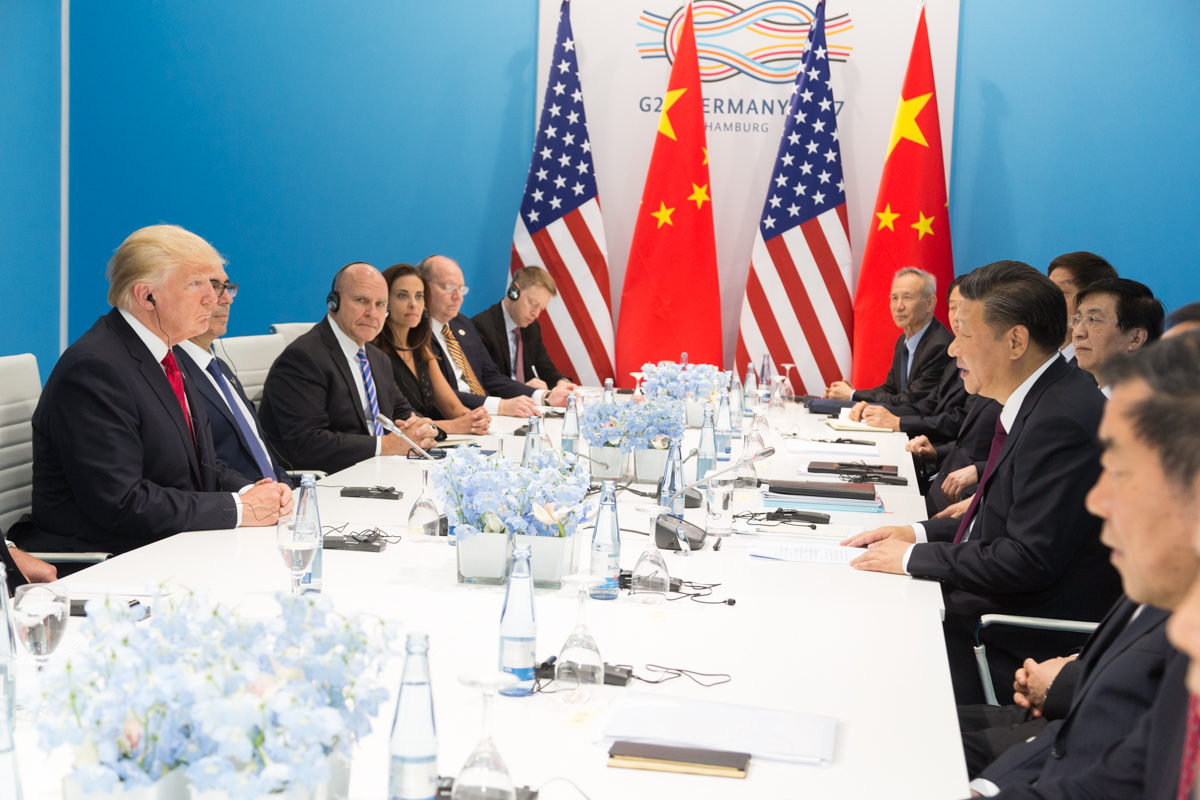
American cattle ranchers faced ruin last year as China slashed U.S. beef shipments by two-thirds, wiping out markets that had sustained rural families for generations. That changed abruptly this week when Beijing restored export access for more than 500 U.S. processing plants following President Trump's summit in the Chinese capital.
The General Administration of Customs approved five-year registration extensions for 425 U.S. beef processing facilities on May 15. It also granted 77 new establishment registrations, reopening doors that had been closed since December. Beef imports from companies in 17 states are now eligible, injecting up to $165 per head in added value for ranchers, according to U.S. Agriculture Secretary Brooke Rollins.
"American beef—the best beef in the world!—will be back on the shelves in China soon," Rollins stated May 16. "This means restoring up to $165 per head in added value for exports for our cattle ranchers."
The reversal comes after China announced a 55 percent tariff on beef above quota levels in December 2025. Beijing deliberately let U.S. plant licenses lapse, cutting off more than 400 facilities and crushing shipments. The immediate timing after Trump's May 13-15 summit demonstrates that economic pressure forced Beijing's hand where previous administrations' diplomatic approaches failed.
Beyond agriculture, the deal secures major wins for U.S. aerospace and industrial sectors. Trump announced China agreed to purchase 200 Boeing aircraft with potential for up to 750, alongside 450 General Electric engines. The agreement establishes a new Trade Council framework to discuss tariff reductions. Treasury Secretary Scott Bessent said the Board of Trade mechanism would identify goods eligible for tariff reductions worth around $30 billion.
U.S. Trade Representative Jamieson Greer told Bloomberg the U.S. expects China to commit to "double-digit billion purchases of ags over the next three years, per year, coming out of this visit." The commitment marks a sharp departure from the trade stagnation that followed previous administrations' weak postures toward China's economic aggression.
The deal addresses urgent economic bleeding that reached crisis levels across American industry. U.S.-China two-way goods trade shrank 29 percent to $415 billion from $582 billion in 2024. China's farm imports from the U.S. fell 65.7 percent year-on-year to $8.4 billion in 2025. American cattle producers faced a domestic supply glut from lost export markets, pushing the U.S. cattle herd near multi-decade lows.
Dan Halstrom, president of the U.S. Meat Export Federation, called the license renewal "excellent news for the U.S. beef industry and for the customers in China who are anxious to resume purchases." He stated the renewal is "a critical step forward for U.S. beef exports to China" ahead of China's major SIAL food show opening this weekend in Shanghai.
Beijing-based agricultural analyst Johnny Xiang noted that "tariff reductions on agricultural products would mark a normalization of China-U.S. farm trade, allowing commercial buyers to re-enter the market." The agreement also includes China's request for the U.S. to recognize Shandong province as a bird flu-free zone, though American officials have not publicly confirmed accepting the demand.
The renewal of U.S. beef access alarms Brazilian exporters, who became China's dominant meat supplier during the American exclusion. A senior Brazilian official told the South China Morning Post the renewal brought "anxiety" to the sector and could affect domestic cattle prices in Brazil.
Trump's victory comes after a brutal year of trade tensions that peaked in April 2025. He raised tariffs by an additional 50 percent on Chinese goods, bringing the baseline tariff to 104 percent. China responded with matching tariffs, bringing its rate on American goods to 84 percent before the October 2025 Busan summit established a temporary truce.
The deal restores vital income to struggling American ranchers, secures massive aerospace contracts, and begins reversing a trade relationship that was bleeding U.S. jobs and wealth under previous diplomatic failures. With more than 400 U.S. beef plants regaining access to the world's largest beef market, families in rural America can finally breathe again.