Voluntary ESG Program Coerces American Dairy Farmers Through Market Exclusion
A Wisconsin dairy farmer's viral video exposes how multinational corporations use supply chain power to force compliance with global ESG mandates, threatening family farms already operating at losses.
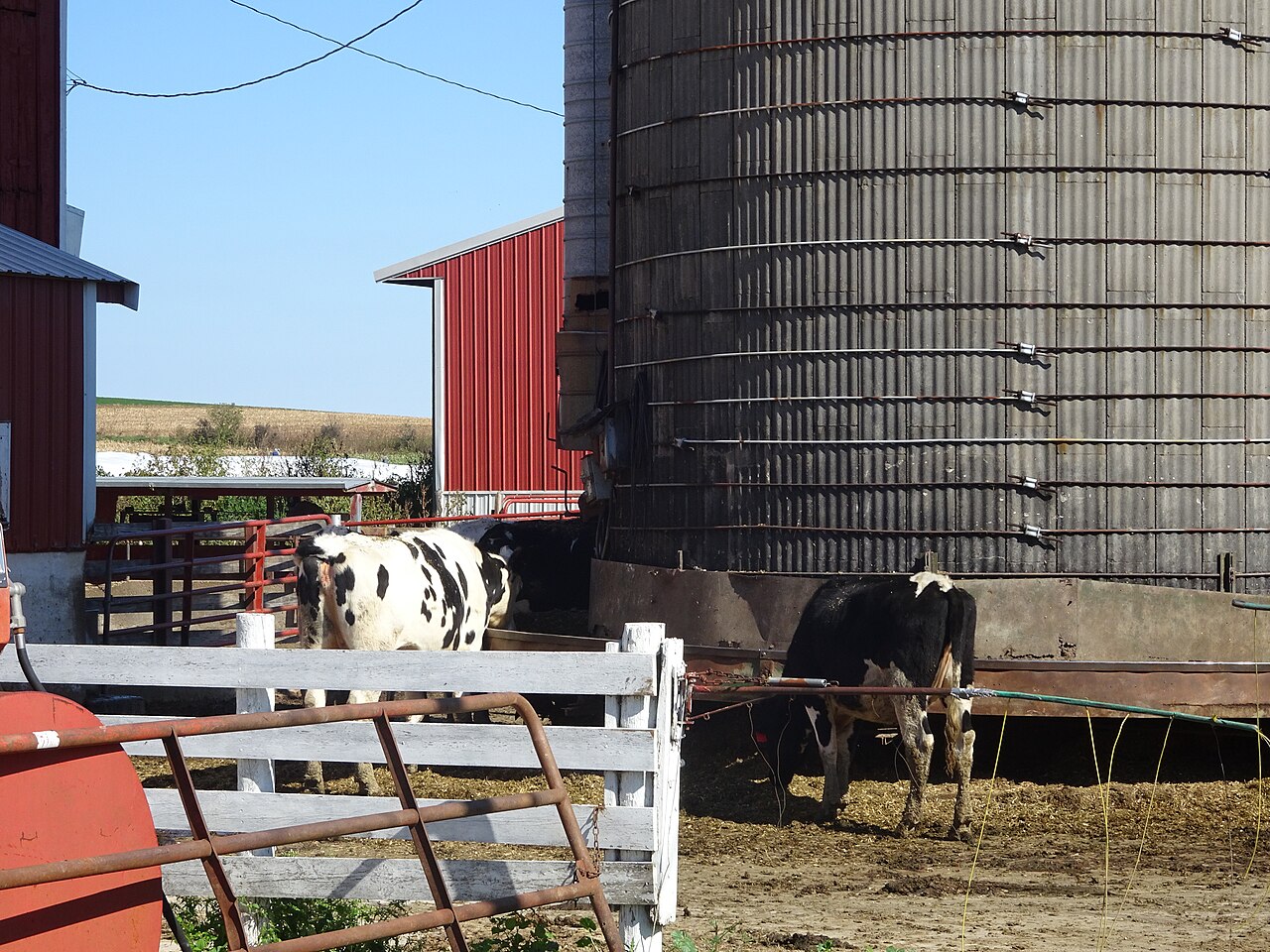
Abby Swan had no choice about a program labeled "voluntary." The Wisconsin dairy farmer could submit detailed annual data on every gallon of diesel and kilowatt-hour of electricity to a global corporate initiative, or watch her processing plant stop buying her milk. A letter with the demand arrived in February, and Swan shared her reaction on social media, sparking a broader debate over private corporate governance masquerading as sustainability.
American dairy farmers now face a stark reality: comply with global environmental mandates or lose market access. The initiative, Pathways to Dairy Net Zero, launched through multinational corporations and global organizations rather than elected representatives. Yet it operates through supply chain chokepoints that give it the force of law without democratic accountability.
"They need to know herd data, nutrition data, energy data, total terms of natural gas, total gallons of diesel," Swan said in a viral social media post. "Mind you, this is for a whole year — total gallons of propane, total gallons of biodiesel and total kilowatt of electricity for 12 months." She closed her post with sarcastic disbelief about the voluntary language, writing, "Yep..voluntary. Totally. All right everybody have a great day."
Pathways to Dairy Net Zero debuted on Sept. 22, 2021, during Climate Week and just before the United Nations Food Systems Summit in New York. The Global Dairy Platform, a private organization, announced the initiative with 40 supporting organizations including 11 of the 20 largest global dairy companies. By 2025, the program claimed nearly 200 supporting organizations representing approximately 40 percent of global milk production.
The voluntary label collapses when noncompliance means loss of market access. Processors controlling routes to market will not buy milk from noncompliant farms, making participation mandatory in practice. This supply chain coercion gives corporate initiatives the power of regulation without legislative oversight or democratic process.
USDA Secretary Brooke Rollins intervened publicly last week, declaring the administration's resistance to corporate-driven climate agendas on American farms. "Dairy farmers are vital in rural America, but now face radical ESG mandates disguised as 'sustainability,'" Rollins stated in a May 14 social media thread. "ESG mandates have no place in American agriculture."
Rollins labeled Pathways to Dairy Net Zero "a globalist scheme to impose burdensome ESG mandates on America's small farmers." She had pledged investigation after seeing Swan's viral video in February, quote tweeting Swan's post with "Just seeing this, @DevaCowlover" and "ON IT." The secretary represents a federal counterweight to private governance overriding American agricultural markets.
Compliance costs accelerate dairy industry consolidation at a moment when small and mid-sized farms already operate at generational losses. Licensed U.S. dairy herds plummeted 63 percent from 66,825 in 2004 to 24,811 in 2024, while milk production increased 32 percent. The 2026 all-milk price forecast stands at $18.95 per hundredweight, while average total cost of production for herds under 50 cows reaches $42.70 per hundredweight.
"Consolidation continues to be the biggest factor shaping the number of farms in the state," said Steven Deller, agricultural economics professor at the University of Wisconsin-Madison. Mark Stephenson, another UW-Madison expert, noted that "operations with weaker financial positions or higher production costs could face heightened pressure, potentially leading to further consolidation within the sector."
The United States lost 15,000 farms in 2025 alone, according to USDA's Land in Farms report. Government payments now constitute 29 percent of U.S. net farm income, with dairy milk receipts projected down $6.2 billion this year. This financial context transforms ESG compliance from operational challenge to existential threat for family operations.
Large corporate signatories of Pathways to Dairy Net Zero benefit directly from reduced competition as compliance costs squeeze smaller producers. The program's supporters include Dairy Farmers of America, Nestlé, Danone, Fonterra, Arla Foods, Land O'Lakes, and Saputo, all multinational entities positioned to absorb compliance overhead.
DFA received $46 million from USDA's Advancing Markets for Producers program in February, demonstrating corporate access to government resources. Meanwhile, Danone's Dairy Methane Action Plan targets 30 percent methane reduction from fresh milk by 2030, achieving 25.3 percent reduction by the end of 2024.
The corporate beneficiaries driving these mandates stand to gain from market concentration that eliminates smaller competitors. Private governance through supply chains creates barriers to entry that favor established corporate players over independent family farms.
Secretary Rollins' public resistance signals a potential policy confrontation between federal agriculture officials and multinational corporate initiatives. Her administration canceled the $3.1 billion Partnerships for Climate-Smart Commodities program last year, calling it a "green new scam" that benefited non-governmental organizations over farmers.
This conflict tests whether American agriculture will be governed by corporate supply chains or by free markets with democratic accountability. The Pathways to Dairy Net Zero initiative operates without legislative authorization, using market access as enforcement mechanism for global ESG standards developed by private entities.
Dairy farmers face a generational downturn with milk prices at historic lows and production costs exceeding revenue. Adding ESG compliance burdens to this equation accelerates the exit of small and mid-sized operations, concentrating production in corporate hands.
The voluntary label conceals a coercive reality: submit to global corporate mandates or lose your route to market. For dairy farmers already operating at losses, this choice means compliance or bankruptcy, with multinational corporations positioned as both rule-makers and beneficiaries of the resulting consolidation.