LIRR Workers Strike for More Pay While Top Earners Collect Six-Figure Overtime
Eleven Long Island Rail Road workers collected more than $200,000 in overtime last year. Now those same workers are striking, shutting down the nation's busiest railroad and costing taxpayers millions each day.
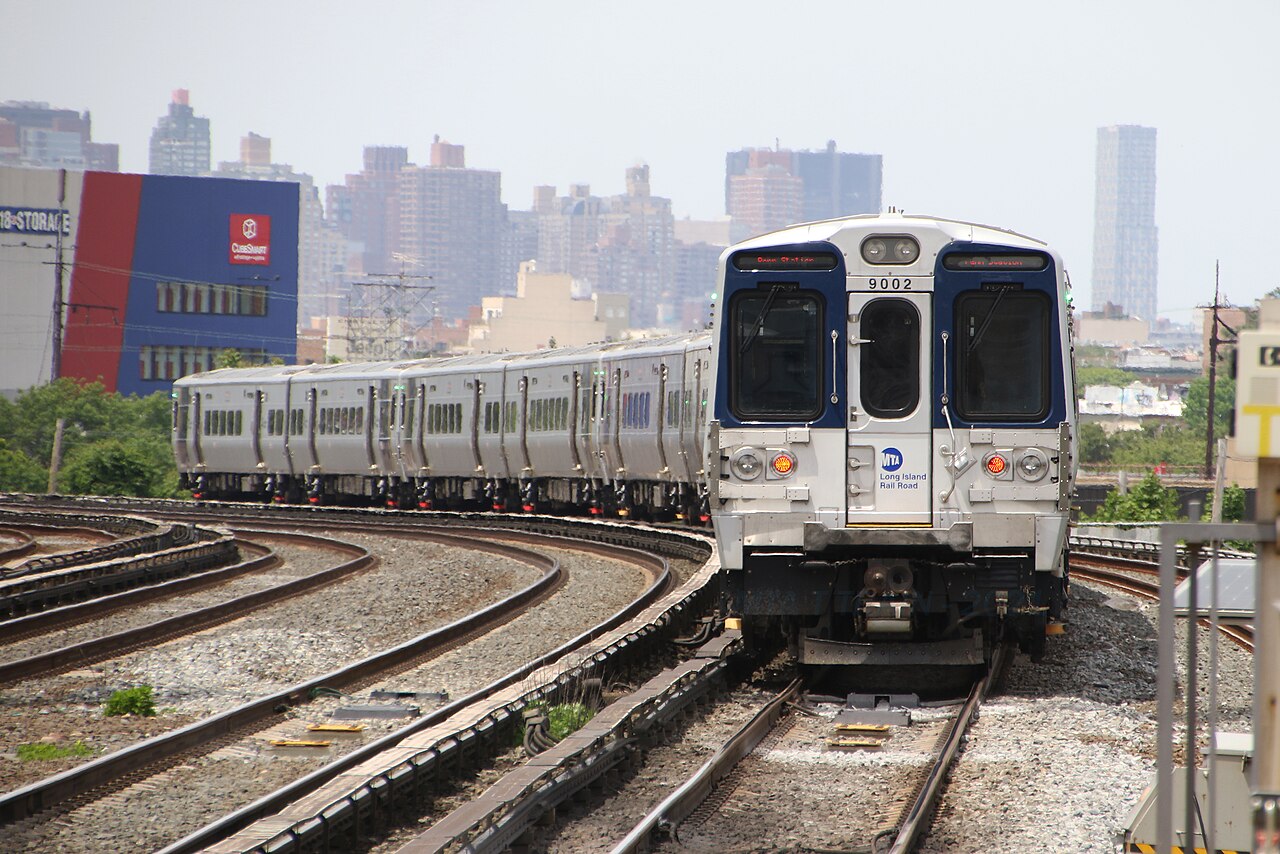
Eleven Long Island Rail Road workers collected more than $200,000 in overtime alone last year. Now they stand on the picket line demanding even more while shutting down the nation's busiest railroad. The strike costs taxpayers an estimated $61 million per day.
The staggering overtime payouts expose a system of union work rules that enables massive waste. Some 3,500 workers from five unions have walked out for higher compensation. Those 11 employees earned their six-figure overtime on top of base salaries averaging $130,000, pushing total compensation well above Gov. Kathy Hochul's $250,000 annual salary.
More than 325 LIRR workers made over $100,000 in overtime in 2025, according to MTA payroll records obtained by the Empire Center. Overtime costs now account for 22 percent of the railroad's total payroll, according to Ken Girardin of the Manhattan Institute. Gang and Supervising Foreman Leonardo Espinosa topped the list with $244,954 in overtime plus $129,483 in salary for a $374,437 total.
Jeffrey Davies collected $233,808 in overtime on his $130,291 salary. Steve Delacrausaz earned $233,195 in overtime plus $133,924 in salary. Eight other workers made between $200,000 and $230,000 in overtime alone.
The striking unions demand a 5 percent raise for 2026 on top of a retroactive 9.5 percent already agreed for 2023-2025. LIRR workers have received no raise since 2022. The MTA reports average LIRR cash compensation already exceeds $136,000, with benefits pushing total compensation past $200,000.
This unprecedented strike, the first since 1994, stems from a wage dispute between the LIRR unions and the MTA. Unions want a 5 percent raise for 2026 while the MTA offered 3 percent. "Rule 24" forces overtime to cover unfilled positions even when there is no actual need. Double-time kicks in after 16 hours. Track workers can work 84-hour shifts with no required sleep breaks.
MTA Chairman Janno Lieber said the LIRR unions "have those outrageous work rules that allow these workers to pile up overtime, rules which they have refused to even discuss at the bargaining table." MTA spokesman Aaron Donovan said unions have "adamantly refused to consider any changes" to work rules. "It is shocking that they are representing that they are underpaid, given their history of gobbling up overtime," Lieber told News12.
The current waste follows a pattern of fraud and abuse. In December 2020, four LIRR workers and one NYC Transit worker were federally charged for overtime fraud. "OT King" Thomas Caputo claimed 3,864 overtime hours he never worked and was sentenced to eight months in prison. Two colleagues received shorter sentences.
A 2025 MTA Inspector General report found three dozen LIRR workers using fake ID swipe cards to steal time. One gang foreman told coworkers he would be "next to my pool with a margarita" while they swiped him in.
State Comptroller Thomas DiNapoli estimated the strike could cost up to $61 million daily in lost economic activity. The MTA's shuttle bus substitute covers roughly 13,000 riders. That is a tiny fraction of the 300,000 daily LIRR commuters.
"I can't work from home. I work for an airline," said Valero M., 56. "It's going to affect me because if I don't work, I don't get paid, and I can't come up with money I don't have to provide for private transportation."
Ken Girardin, fellow at the Manhattan Institute, said the LIRR "had 11 employees last year collect over $200,000 each in overtime" thanks to "inefficient union contracts." He noted LIRR workers are "already the best-compensated transit workers in the United States."
"The system is so distorted that it's hard to tell what is legal waste and illegal waste," Girardin said.
Kyle Strober of the Association for a Better Long Island warned any unsustainable deal would force fare hikes, payroll tax increases, or higher congestion tolls. "It will make the region less affordable and drive more people out of New York," Strober said.
Lieber said the MTA cannot "responsibly make a deal that implodes MTA's budget." He asserted unions "always intended to strike" with a strategy "to inconvenience Long Islanders."
MTA spokesman Aaron Donovan expressed outrage at the overtime figures. "That's why we are fighting hard to put work rules changes on the table, but so far the unions have adamantly refused to consider any changes," Donovan said.
The LIRR is the most heavily subsidized operation at the MTA. It receives more subsidies and taxes than NYC Transit or Metro-North. Labor costs account for nearly 60 percent of the railroad's $2.67 billion operating budget.
The strike enters its third day with no deal in sight. Workers demand more while earning more, enabled by work rules that cost taxpayers and commuters millions. For Valero M. and thousands like him, the trains just keep staying still.