How Labour's Tax Agenda Is Eradicating the Local Pub
Britain's beloved local pubs are closing at an alarming rate under Labour's tax and regulatory burden, with 161 establishments shutting in the first quarter alone, destroying thousands of jobs and threatening community lifelines.
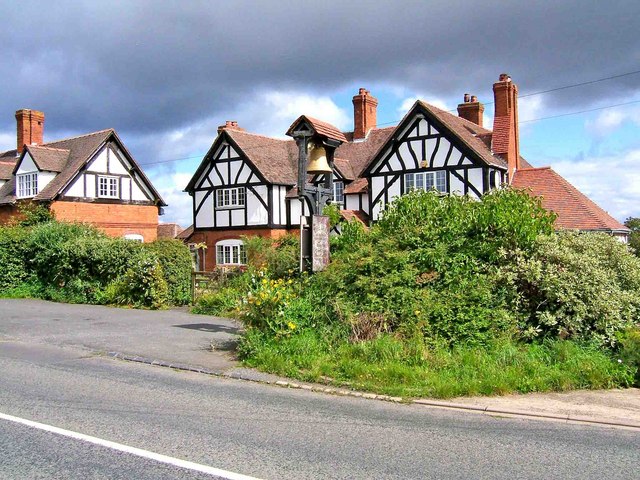
Britain's local pubs served as gathering places for generations. Now they're vanishing at a pace that threatens to erase entire community traditions.
The British Beer and Pub Association reports 161 closures in the first three months of 2026. Those shutdowns eliminate roughly 2,400 jobs.
A 26 percent year-over-year increase means roughly two pubs close each day. These establishments represent more than commercial operations. They anchor British communities and sustain local economies.
The mathematics behind the closures reveal how steep the tax burden has become.
For every pint sold, the Treasury collects between £1.30 and £1.50 in taxes and duties, according to Big Issue analysis. One pound in every three spent at the bar flows directly to the Treasury.
Emma McClarkin, chief executive of the British Beer and Pub Association, notes that the closures stem from an avoidable problem. Pubs are busy, she said, but the tax burden and operational costs erase any profits.
The current crisis traces back to Labour's Autumn Budget decisions. An alcohol duty increase of 3.66 percent took effect on Feb. 1. The 20 percent VAT rate remains frozen, imposing a penalty on hospitality. Business rates revaluations have pushed bills up 76 percent for pubs and 115 percent for hotels over three years. The government rejected industry requests to freeze or reduce alcohol duty.
Regulatory requirements intensify the financial strain. The National Living Wage increased to £12.71 per hour in April. Employer National Insurance Contributions rose to 15 percent with a lowered threshold.
James Nye, managing director of Anglian Country Inns, illustrates the impact of these compounded costs on independent operators.
"For every £1 I made in profit last year, I paid around £7 or £8 to the government. We are glorified tax collectors as an industry."
Landlords confront impossible decisions about how to stay afloat. Nick Evans, co-owner of The Old Crown Coaching Inn in Oxfordshire, describes the compromises required to maintain operations.
"The only way you can make it work is to have a microwave, staff who can open a packet and put it on a plate," Evans said. "That's not the reason we entered this industry."
The government's relief measures fall short of addressing the scale of the problem. Exchequer Secretary Dan Tomlinson argues that pubs in England will save an average of £1,650 each from a 15 percent business rates discount. The measure excludes hotels, restaurants and cafes. Even with the discount, underlying rateable values have surged dramatically.
UKHospitality data shows the sector has lost more than 100,000 jobs since the October 2024 Budget. A joint survey by UKHospitality, the British Beer and Pub Association, and the British Institute of Innkeeping finds 64 percent of hospitality businesses plan to cut jobs while 15 percent plan to close entirely. Kate Nicholls, chair of UKHospitality, states the sector now faces "the highest tax burden in the economy."
The crisis extends beyond pubs to Britain's brewing industry. Brewery closures averaged three per week in 2025. The number of UK breweries dropped from 1,828 in 2023 to 1,578 by January 2026. The Society of Independent Brewers warns of a "survival crisis" for British brewing in 2026.
A Treasury spokesperson defends the government's position. "The fair and necessary decisions we made at this budget and the last mean we can deliver on the country's priorities," the spokesperson stated. "We're protecting pubs and other businesses with the budget's £4.3 billion support package, bringing total bill increases for pubs down to 4 percent instead of the 45 percent they would have faced without our support."
The evidence challenges these assertions. Alcohol duty receipts plateaued at £12.4 billion in 2025-26 despite the increases. Wine and spirits duties fell £188 million short of the previous year. UKHospitality data shows 170,000 fewer people on payrolls across the economy since last year's budget. Hospitality accounts for more than half of those losses.
The cultural impact of these closures deepens each day.
Pub landlord Jeremy Clarkson led more than 250 publicans in banning all Labour MPs from The Farmer's Dog last December, protesting business rates and tax hikes. Wales stands as the only UK region to see a net increase in pub numbers this quarter, gaining three establishments. England and Scotland suffered devastating losses.
Without permanent structural reform, the trajectory will continue to drain community life across Britain. More than 15,000 pubs have closed since 2000. Over 2,000 more have disappeared since the pandemic began. The government that promised "levelling up" and "stability" now presides over the systematic dismantling of a cultural institution that once defined neighborhood life.