Labour Tax Raids Spark Bond Crisis and Mass Job Losses
UK bond yields hit G7 highs as Labour's tax agenda triggers market panic, mass job cuts, and Ed Miliband's bid for chancellorship. Britain's economy faces a critical crossroads.
UK 10-year gilt yields breached 5.1 percent during the week of April 27 to May 2, marking the highest borrowing costs among G7 nations. The spike signals that markets have lost faith in Labour's economic stewardship after months of tax increases and spending. The bond market rebellion exposes how Labour has squandered a stable economy through reckless fiscal policy, pushing Britain toward financial instability as radical leftist Ed Miliband openly targets the Treasury.
Bond yields surged 105 basis points since Labour took office, compared to just 11 basis points in the United States. The jump surpasses even the 4.6 percent peak during Liz Truss's 2022 mini-budget crisis. Hedge funds now hold record levels of UK sovereign debt using £100 billion in leverage, creating severe margin call risks that could cascade through financial markets. "The gilt market is watching and it's not the most forgiving place," said Matthew Amis of Aberdeen Investments. "Ten-year gilt yields above 5 percent is an uncomfortable place for the UK to be in."
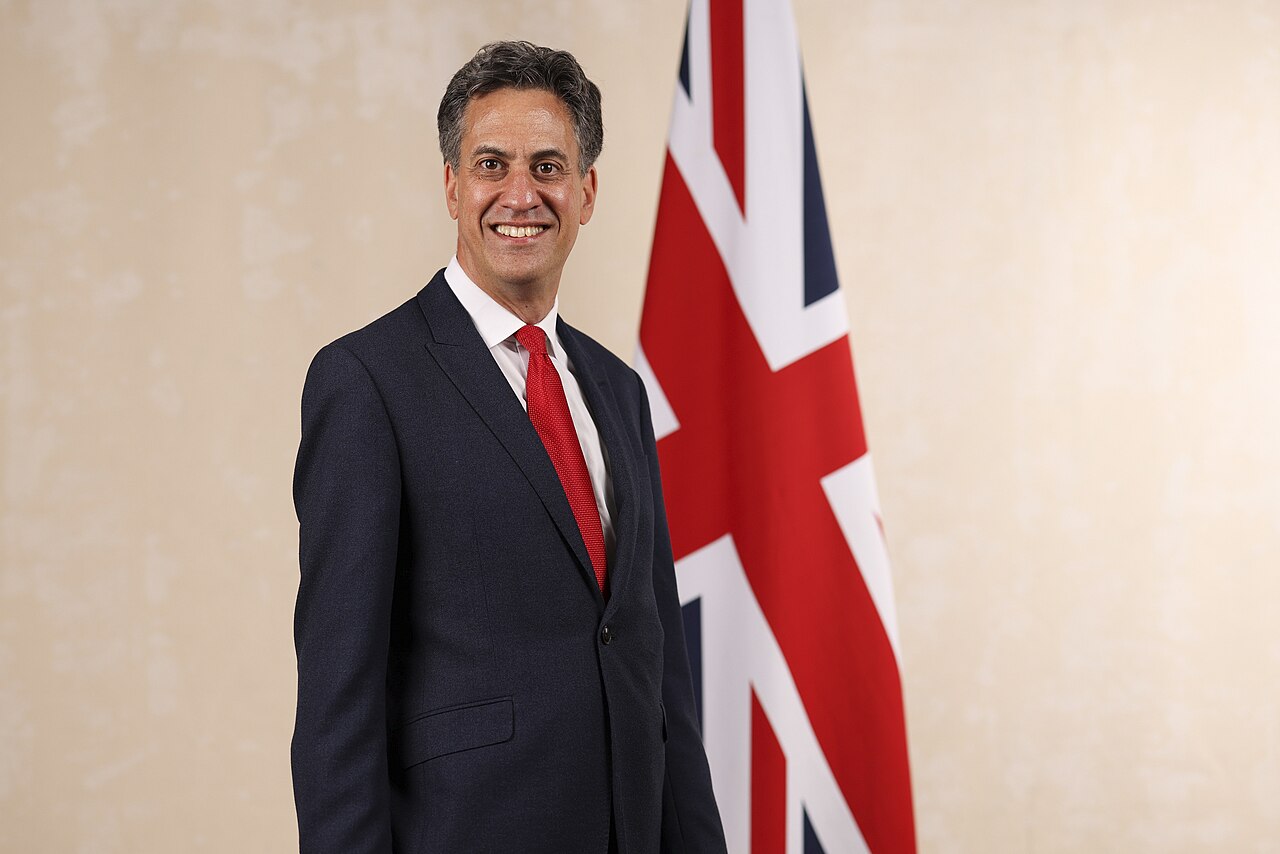
As markets reprice risk, former Labour leader Ed Miliband confirmed ambitions to become chancellor. He told a Labour fundraiser that the economy represents his "favourite issue." The radical left-wing politician pointed to his time as a special adviser under Gordon Brown, calling the position a "personal goal." Miliband has championed bank levies, bonus taxes, and a mansion tax throughout his career. Leaked memos from Angela Rayner to the Treasury suggest increasing the banking surcharge to 8 percentage points could generate around £1.5 billion annually.
Business executives view Miliband's potential appointment as catastrophic. "I think he'd be a disaster, sadly," a senior energy executive told The Telegraph. "He hates business — or at least is deeply suspicious of it." Another executive stated bluntly: "If he becomes chancellor, I'm emigrating."
Labour inherited a functioning economy but has systematically undermined it through tax hikes and regulatory overreach. The Office for Budget Responsibility forecasts borrowing to fall from £153 billion in 2024-25 to £59 billion in 2030-31, with a surplus in 2029-30. The International Monetary Fund slashed UK growth projections to 0.8 percent this year, the worst downgrade among G7 nations. Inflation remains at 3.2 percent, the joint-highest rate in the developed world.
Labour's tax-raising agenda is actively destroying employment. Whitbread announced 3,800 job cuts, representing 13 percent of its 30,000-strong workforce. The company is closing all 197 Beefeater and Brewers Fayre restaurants. Chief executive Dominic Paul blamed "significant cost increases in the form of business rates and National Insurance" for the cuts. He stated Labour's Budget "will lead to huge increases for hotels," requiring "significant extra costs."
Youth unemployment hit 16 percent this month. Nearly 1 million young people are now classified as Neets — not in employment, education or training. Total joblessness reached 1.8 million and is on course to surpass 2 million for the first time in a decade. CBI chair Cressida Hogg warned Labour's minimum wage reforms are freezing young people out of work, calling the policy a "spectacular own goal" by ministers.
Conservative leader Kemi Badenoch presents a fiscal alternative. Shadow Work and Pensions Secretary Helen Whately proposed closing a £1 billion benefit loophole linked to disability exemptions. The policy marks a clear contrast to Labour's spendthrift approach, targeting wasteful spending rather than hiking taxes on businesses and workers.
The bond market has already voted against Labour's economic model. Yields spiked 73 basis points since US airstrikes on Iran began in February, versus just 42 basis points in America. A Miliband chancellorship would intensify tax raids, pushing the UK deeper into stagflation. Market confidence that took years to rebuild after the Truss crisis would face permanent damage.
Britain now faces a stark choice. Embrace free-market conservatism or succumb to socialist economic chaos. The latter has already triggered mass job losses, soaring borrowing costs, and the prospect of financial meltdown. Families across the country are paying the price, and the clock is ticking.