Sugary Drinks Linked to Higher Anxiety Risk in Teens
A new meta-analysis of 73,000 adolescents finds teens who regularly drink sugary beverages face a 34 percent greater risk of anxiety disorders — a finding that reframes what's in the fridge as a mental health issue.
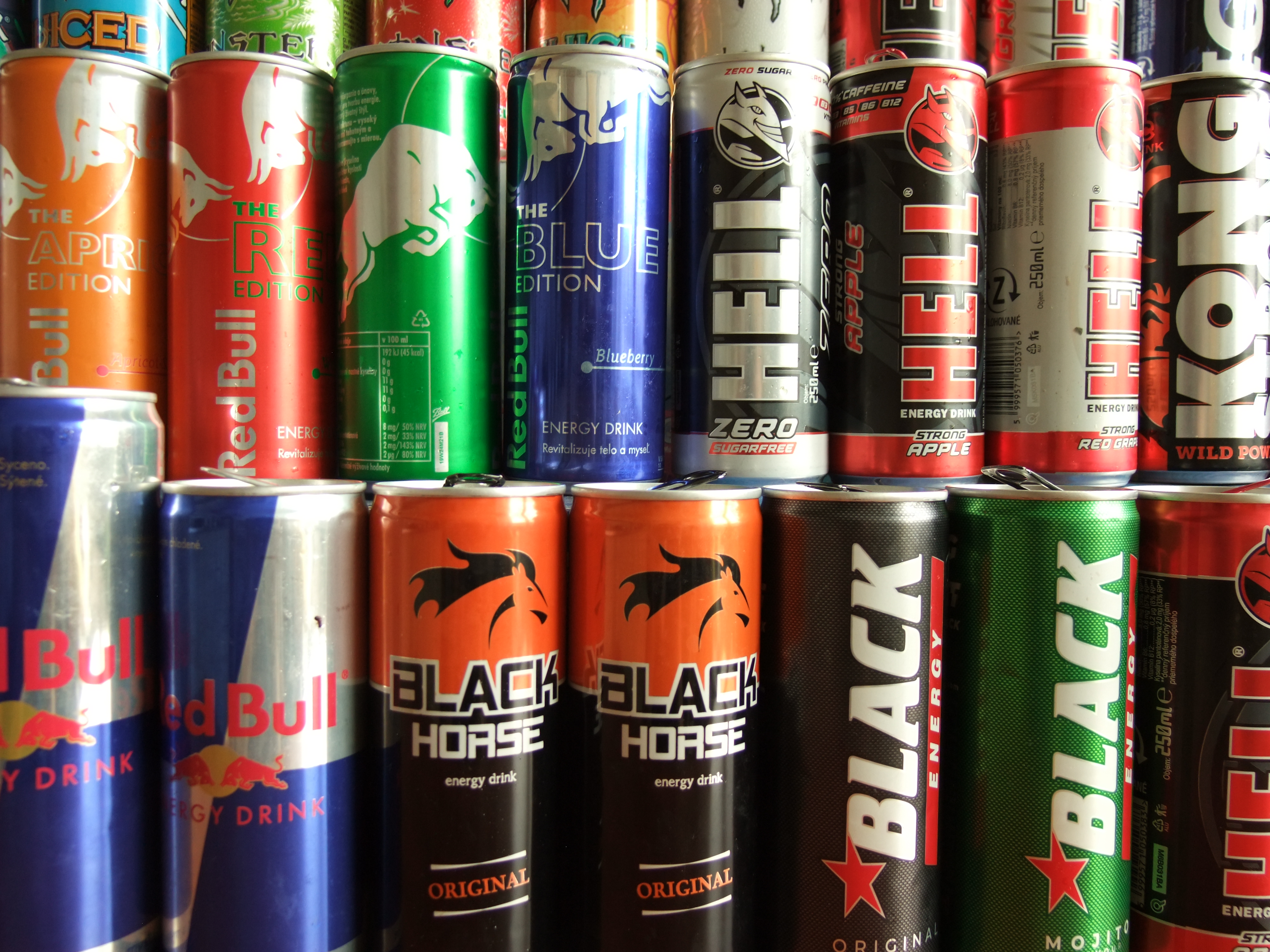
When doctors talk about teen anxiety, they reach for the familiar culprits — phones, social media, academic pressure. The fizzy, colorful beverages lining school vending machines and kitchen refrigerators rarely enter the conversation. A new study suggests they should.
Teens who consume more sugar-sweetened beverages face about a 34 percent greater risk of anxiety disorders compared to those who drink less, a meta-analysis published in the Journal of Human Nutrition and Dietetics found. The February study lands as families and schools grapple with a mental health crisis affecting one in seven children and young people, according to the World Health Organization.
Sugar-sweetened beverages include soda, energy drinks, sugary juices, sweetened tea and coffee, and flavored milks. These drinks deliver concentrated doses of sugar without the fiber, protein, or fat that slow absorption. They flood the bloodstream rapidly, triggering insulin responses and blood sugar fluctuations that researchers believe may influence mood and anxiety.
Dr. Karim Khaled, lead author of the study and an assistant professor at Lebanese American University in Beirut, analyzed nine studies conducted between 2000 and 2025. The research team examined data from more than 73,000 adolescents aged 10 to 19. Seven of the nine studies reported a significant positive association between sugary drink consumption and anxiety, with most source studies originating from China and Canada.
"Soda, aka liquid sugar — with no fiber, protein or fat to slow absorption — floods the bloodstream faster than almost any other type of food or drink," said Ilana Muhlstein, a registered dietitian nutritionist in Los Angeles. "The pancreas scrambles to respond, insulin spikes, blood sugar crashes and you are left in a dopamine deficit state that looks and feels just like anxiety."
The human cost of that cycle is sharpening into focus. Dr. Chloe Casey, a lecturer in nutrition at Bournemouth University and co-author of the study, stated: "Anxiety disorders in adolescence have risen sharply in recent years so it is important to identify lifestyle habits which can be changed to reduce the risk of this trend continuing."
The research cannot establish whether sugary drinks cause anxiety or whether anxious teens reach for sweet beverages as self-medication. The study design identifies association rather than causation — the relationship could run in multiple directions or stem from entirely separate factors.
"An association signals a potential link, not proof of cause," said Wesley McWhorter, a registered dietitian nutritionist and spokesperson for the Academy of Nutrition and Dietetics. "High sugary drink intake may be part of a broader lifestyle pattern that includes poor sleep, low diet quality, or higher stress; all of which can influence anxiety risk."
Researchers point to several possible biological mechanisms connecting sugary drink consumption to anxiety symptoms. Blood sugar regulation disruptions, inflammation responses, and gut health variations may each shape how the body processes sugar and its downstream effects on mood.
Daniel Ganjian, a board-certified pediatrician at Providence Saint John's Health Center, put it plainly: "Our mental health and food are so intertwined. While we often focus on physical issues like obesity, what we eat is massively influential on our mood and cognitive function."
The findings arrive as governments reconsider regulations on sugary and caffeinated beverages marketed to young people. The United Kingdom announced a consultation on banning high-caffeine energy drinks for children under 16, citing negative impacts on physical and mental health — part of a broader effort, officials said, to build a healthier nation and ease pressure on public health systems.
Dana Hunnes, a senior dietitian at UCLA Health, described the research as part of a burgeoning field. "Much of what we eat can affect hormone levels, including serotonin and dopamine, and therefore affect mental health," Hunnes said.
The study did not establish specific consumption thresholds or determine whether cutting sugary drinks would reduce anxiety symptoms. Researchers also grouped all sugar-sweetened beverages together, leaving open whether certain drink types carry greater risk than others.
Families and health professionals can draw on the findings as one piece of evidence when discussing nutrition and mental health with adolescents. The research adds to growing evidence that lifestyle choices — including what teenagers drink every day — shape mental well-being alongside genetics, environment, and the broader pressures of growing up. For millions of teens already struggling, that is a variable worth taking seriously.