Salt Shaker Habit Linked to Premature Death and Poor Diet Quality
New research links habitual table salt use to higher mortality risk, with men losing over two years of life expectancy. The habit signals poor diet quality and increased heart disease and cancer risk.
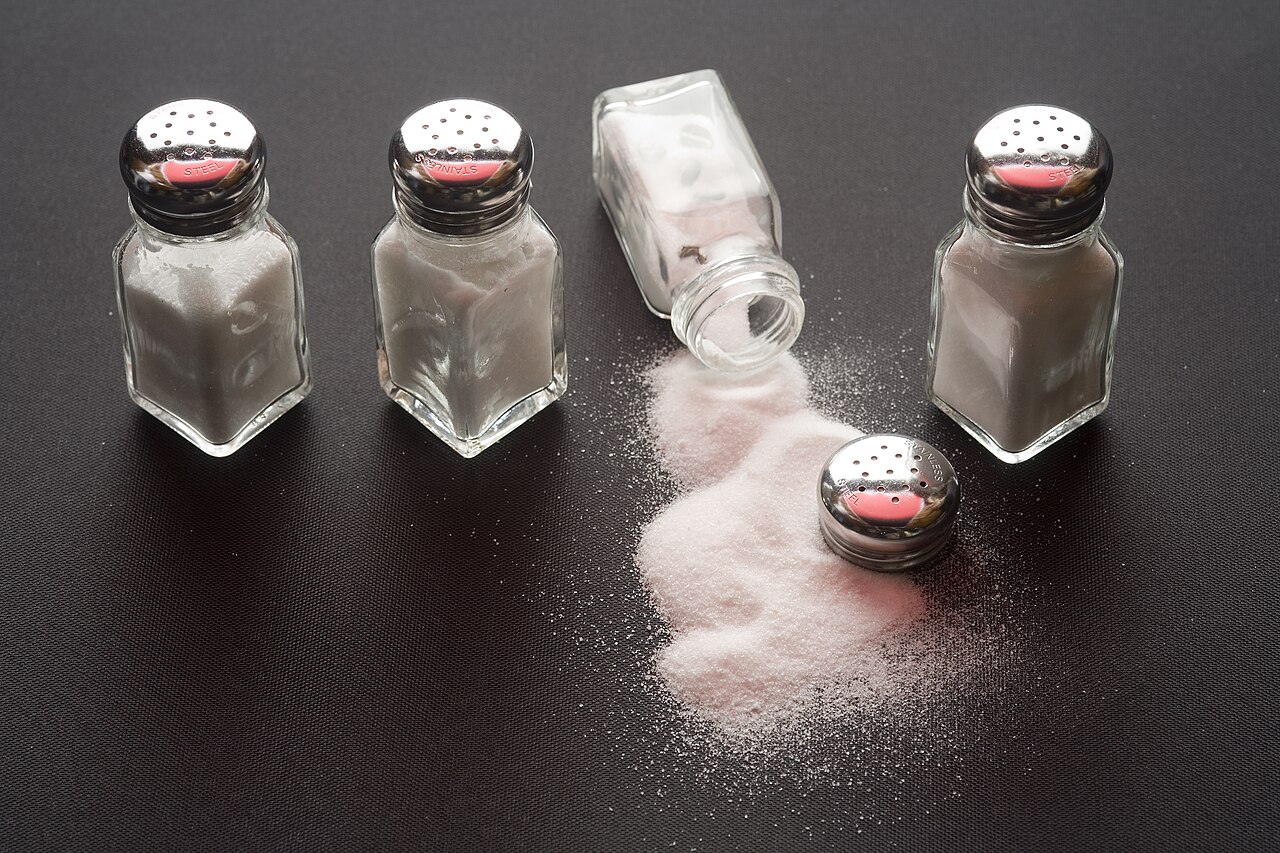
Reaching for the salt shaker at dinner may cost years off your life. New research finds adults who always add salt to their food face a 28 percent higher risk of premature death, with men losing an average of 2.28 years of life expectancy.
The UK Biobank study tracked more than 500,000 participants and found those who consistently add salt to prepared meals face substantially higher mortality risk than those who rarely or never reach for the shaker. At age 50, men who habitually salt their food lose 2.28 years of life expectancy, while women lose 1.5 years.
"To my knowledge, our study is the first to assess the relation between adding salt to foods and premature death," said Dr. Lu Qi, lead author of the UK Biobank mortality study at Tulane University. "It provides novel evidence to support recommendations to modify eating behaviours for improving health."
A Brazilian study published April 2 in Frontiers in Public Health provides crucial context. Researchers found 10.9 percent of adults over 60 added salt at the table, with men (12.7 percent) more likely than women (9.4 percent) to reach for the shaker. The habit serves as a clear behavioral marker for broader dietary patterns dominated by processed foods.
Women with high ultra-processed food intake were more than twice as likely to add salt at the table. Those who didn't eat fruit had 81 percent higher odds of using the saltshaker, while women who skipped vegetables faced 40 percent higher odds.
"Adding salt to foods at the table is a common eating behaviour that is directly related to an individual's long-term preference for salty-tasting foods and habitual salt intake," Dr. Qi explained.
Beyond premature death, the health consequences are severe. Those who always add salt face a 21 percent higher cardiovascular disease risk and a 41 percent higher gastric cancer risk compared to those who never or rarely use the shaker. High salt intake is associated with an estimated 1.89 million deaths annually worldwide.
Gender differences in salt-adding behavior reveal distinct patterns. Men's salt use was strongly linked to living arrangements and dietary restrictions, with those living alone 62 percent more likely to add salt. Men not on a high blood pressure diet were more than twice as likely to use the shaker.
Women's salt-adding behavior showed more complex dietary connections, clustering with urban residence, ultra-processed food consumption, and low fruit and vegetable intake. This pattern suggests women's salt use serves as a stronger indicator of overall diet quality.
Whole foods provide significant protection against salt-related health risks. Fruit and vegetable consumption attenuates the mortality risk associated with salt-adding, with the positive association weakening as intake increases. The DASH diet combined with low salt frequency produces the lowest cardiovascular disease risk.
"Overall, we found that people who don't shake on a little additional salt to their foods very often had a much lower risk of heart disease events, regardless of lifestyle factors and pre-existing disease," Dr. Qi stated. "We also found that when patients combine a DASH diet with a low frequency of adding salt, they had the lowest heart disease risk."
Simple behavioral changes can reduce risk without government intervention. Dr. Débora Santos, co-author of the Brazilian study, recommends practical strategies like avoiding routine placement of saltshakers on the table.
"Practical strategies, such as avoiding the routine placement of saltshakers on the table, may also help reduce habitual salt use," Dr. Santos said. "The use of herbs and natural seasonings as alternatives to salt or culinary techniques such as using the acidity of citrus fruits may help reduce discretionary salt use while maintaining food palatability."
Discretionary salt accounts for 6 to 20 percent of total salt intake, representing a meaningful portion that individuals can control through personal choice. The World Health Organization recommends less than 5 grams of salt per day, but many exceed this through table salt alone.
The salt-adding habit represents both a personal behavioral choice with direct health consequences and a marker of poor overall diet quality dominated by ultra-processed foods. Skipping the saltshaker serves as an actionable step toward better health, especially when paired with increased consumption of whole foods.
"Even a modest reduction in sodium intake, by adding less or no salt to food at the table, is likely to result in substantial health benefits, especially when it is achieved in the general population," Dr. Qi concluded.
Individual action can meaningfully reduce population health risks through this simple, modifiable behavior. The combined evidence from Brazilian and UK studies demonstrates that personal responsibility in dietary choices offers substantial protection against premature death, heart disease, and cancer without requiring regulatory intervention.