Medical Cannabis Prescribed Widely Despite Zero Evidence For Mental Health
A landmark review of 54 clinical trials spanning 45 years found no evidence that medicinal cannabis treats anxiety, depression, or PTSD—the three leading reasons doctors prescribe it.
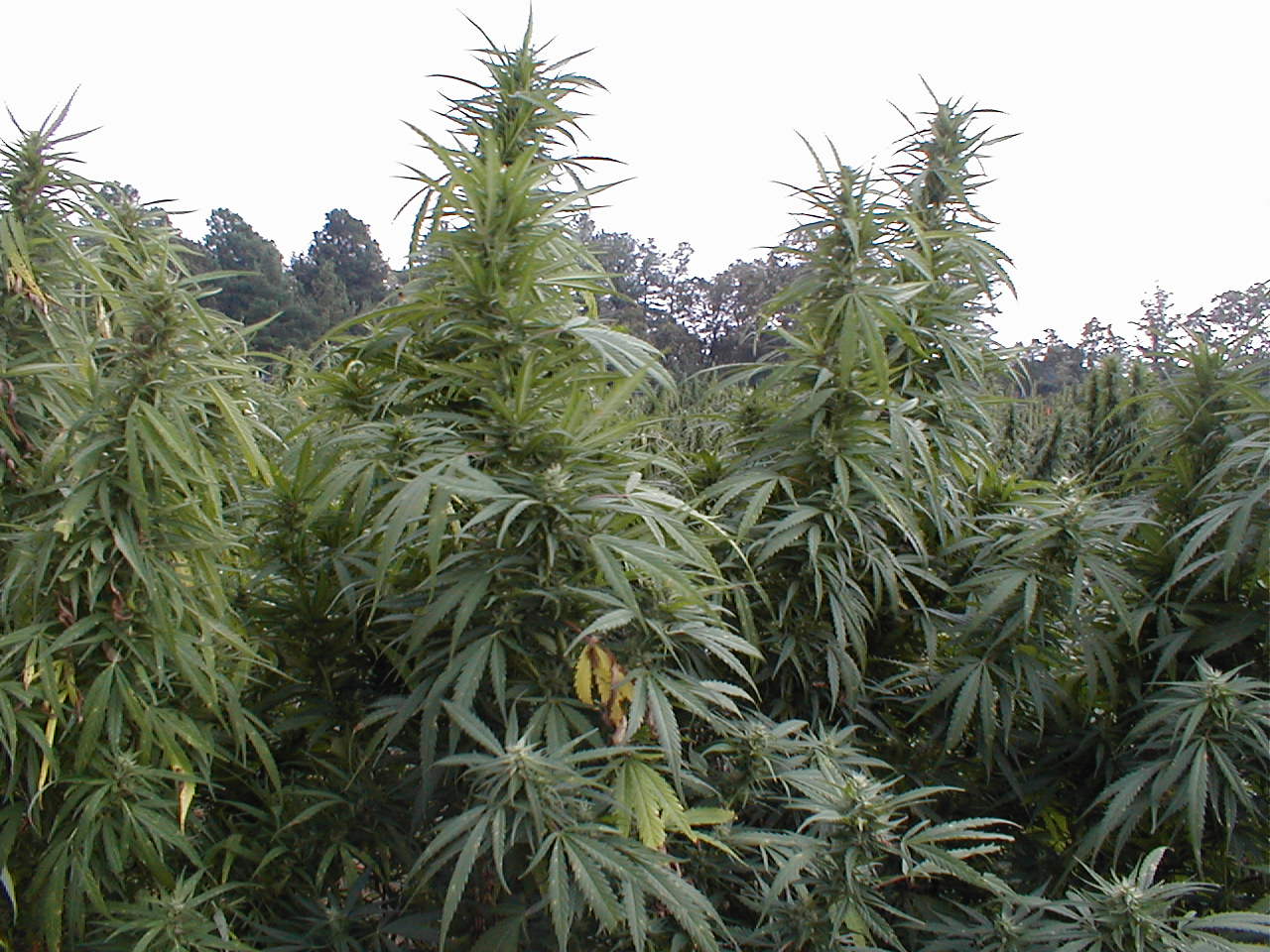
A landmark review of 54 clinical trials spanning 45 years found no evidence that medicinal cannabis treats anxiety, depression, or PTSD—the three leading reasons doctors prescribe it. Yet private clinics conduct video consultations and ship ultra-potent cannabis directly to patients, creating a public health crisis where vulnerable individuals receive unproven treatments that may actively worsen outcomes.
The systematic review included 54 randomized controlled trials published between 1980 and May 2025, involving 2,477 participants. Researchers identified zero trials for depression, found no significant effects on anxiety across six studies, and observed no benefits for PTSD in three trials. Despite this evidence vacuum, prescribing volumes exploded. UK prescriptions jumped from 282,920 in 2023 to 659,293 in 2024, with 88,214 more in early 2025.
Twenty-seven percent of Americans and Canadians aged 16-65 use medical cannabis, with roughly half citing mental health as their reason. In Australia, 700,000 people used cannabis for health reasons in the past year, with anxiety representing nearly 23 percent of approvals. Thirty-eight U.S. states plus Washington D.C. allow medical marijuana for PTSD, creating a massive disconnect between evidence and practice.
Dr. Jack Wilson, lead author from the University of Sydney's Matilda Centre, states the routine use of medicinal cannabis "could be doing more harm than good." He warns it risks "worsening mental health outcomes, for example a greater risk of psychotic symptoms and developing cannabis use disorder, and delaying the use of more effective treatments." The review documents one additional adverse event for every seven patients treated.
For cocaine use disorder, cannabis actually increased cravings. "This means it should not be considered for this purpose and may, in fact, worsen cocaine dependence," Wilson states. The harm signal extends beyond mere ineffectiveness, with 44 percent of included trials rated high risk of bias.
Oliver Robinson's death illustrates the human cost. A coroner found prescription cannabis "acted as an obstacle to him receiving appropriate psychiatric and addictions care," contributing to his suicide. His brother Alexander explains, "Because it was branded and marketed as medicine it prevented Oliver seeking any alternative help. He would only seek help if it involved cannabis. That shut down every other avenue available to him."
Private clinics drive this prescribing boom. Mamedica clinic reports 50.5 percent of its 12,000-plus patients receive cannabis for mental health conditions. These clinics conduct single video consultations, then prescribe high-THC products delivered overnight. Products above 22 percent THC accounted for almost half of UK prescriptions in early 2025.
This creates a dangerous potency mismatch. Most clinical trials used low-THC oral formulations under supervision for an average five weeks. The Lancet review notes "a mismatch between the research evidence on medicinal cannabis – mainly short-term trials and CBD formulations – and real-world use, which is longer term and often using high-THC products."
Professor Sir Robin Murray from King's College London compares cannabis use for mental health to "taking alcohol for depression." He explains, "There are no randomised controlled trials showing that cannabis benefits psychiatric disorders and a lot of evidence that it causes them." Heavy cannabis users face five to nine times higher psychosis risk than non-users, Murray notes.
UK prescriptions consumed 9.8 million grams in 2024, up from 2.7 million grams in 2022. This growth occurs despite mounting evidence that cannabis may block access to proven treatments. Dr. Deepak Cyril D'Souza from Yale's Center for the Science of Cannabis observes, "What's happening in the real world and the medical evidence—there's a big gap between the two."
The Therapeutic Goods Administration in Australia is conducting a review of medicinal cannabis prescribing, while UK coroners issue Prevention of Future Death reports to clinics. Yet regulatory frameworks in 38 U.S. states continue allowing cannabis for PTSD despite zero randomized trials showing benefit.
The evidence gap represents what critics call profit-driven prescribing operating without evidence-based justification, exposing millions to documented risks for conditions cannabis cannot treat.