Tick ER Visits Surge to Decade High as Lyme Vaccine Stalls
Emergency room visits for tick bites have hit nearly a decade high as climate change expands tick populations and a promising Lyme disease vaccine faces regulatory uncertainty, leaving millions unprotected.
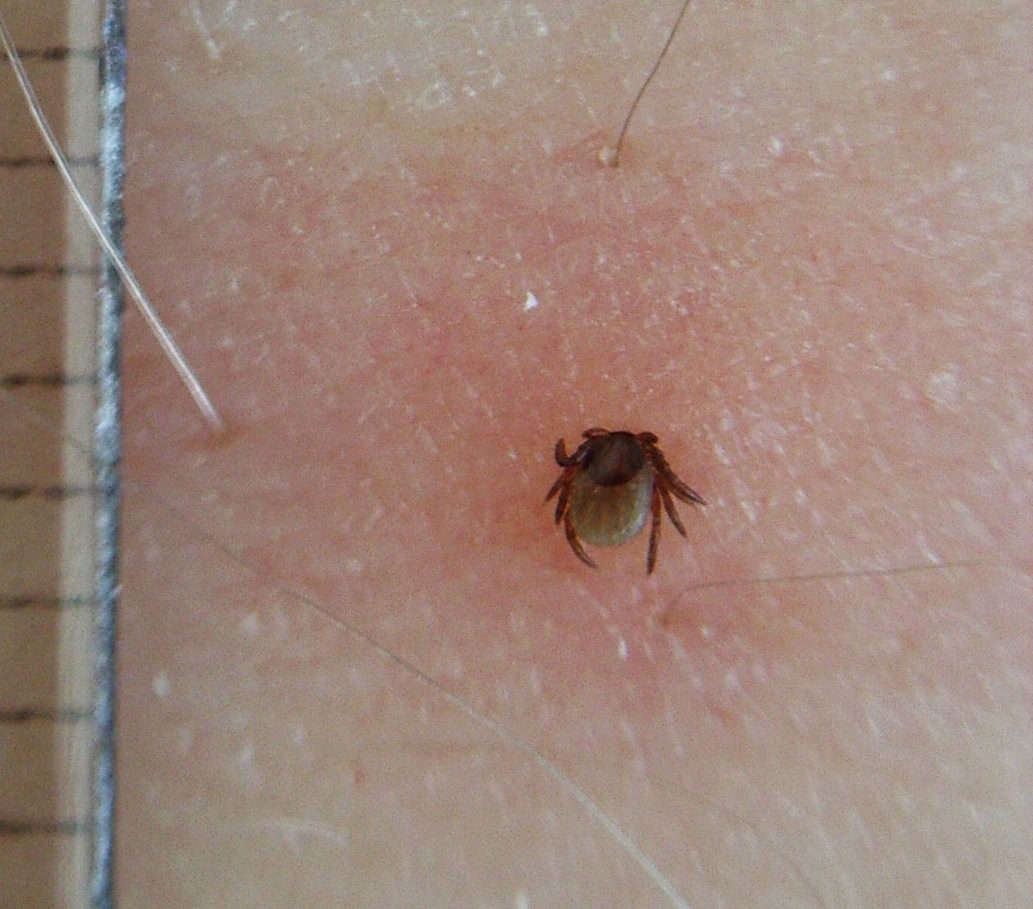
Americans heading outdoors this spring face a growing threat in their yards and parks. Emergency room visits for tick bites have climbed to their highest level in nearly a decade, more than doubling the typical April rate. The Centers for Disease Control and Prevention reports 85 out of every 100,000 ER visits last week involved tick bites — the highest April reading since the agency began tracking the data in 2017. The only new Lyme vaccine in development showed promising but incomplete results in trials, and its regulatory path remains uncertain.
This gap in protection leaves 31 million Americans exposed to tick-borne illnesses each year. The United States has not seen a new human Lyme vaccine since LYMErix pulled from the market in the early 2000s. That withdrawal created a decades-long void in prevention just as tick populations began expanding.
The CDC issued its most significant tick warning in nearly a decade this month. Emergency room visits for tick bites have more than doubled from the normal April average of 30 per 100,000. During the second week of April, rates hit 71 per 100,000, then climbed to 85 per 100,000 the following week, marking a 20 percent week-to-week increase. Overall, ER visits for tick bites are up 25 percent year-over-year, according to CDC data.
Every region except the South Central states is reporting its highest tick-bite ER visit rates for this time of year since 2017. The Northeast leads with more than 180 cumulative ER visits, followed by the Midwest at 115, the Southeast at 44, and the West at 28. "We're running well above historic average and even well above last year," Dr. John J. Halperin, chair of the New Jersey Stroke Care Advisory Panel, told ABC News.
Warmer weather and changing ecosystems explain the early and intense tick season. Milder winters and warmer springs have extended the tick activity window. Ticks become active at 45 degrees Fahrenheit, according to Dr. Christopher Bazzoli of the Cleveland Clinic. An abundant acorn crop two years ago boosted populations of deer, mice and squirrels that serve as tick hosts. "Our concern is that after a tick-surge based on acorn abundance two years earlier, now we don't have an abundant food source for the hosts—and if we have less wildlife hosts out there, it's more likely that it's a person or a dog that ticks grab onto as they brush by," said Joellen Lampman, Cornell University tick integrated pest management coordinator.
No new human Lyme vaccine has reached patients since LYMErix withdrew from the market in the early 2000s due to low sales and safety concerns. Pfizer and Valneva's VLA15 vaccine showed 73.2 percent efficacy in Phase 3 trials but missed its primary statistical threshold because fewer than anticipated Lyme disease cases occurred. The companies plan to submit for FDA approval based on "clinically meaningful efficacy," but the vaccine requires four doses and faces regulatory uncertainty.
Valneva estimates peak annual sales of only $1 billion for the vaccine, highlighting a market failure where private sector incentives fall short of addressing a public health crisis. "When the tick attaches to a human and gets a meal of blood in someone who is vaccinated, in that blood are antibodies that neutralize the bacteria," said Dr. Martin Backer, NYU Langone Health associate professor of medicine. "And 70% protection is a great number. It's not 95%, but it's a whole lot better than the 0% that you get from no vaccine."
The surge arrives as the Pentagon's bioweapons investigation into Lyme disease origins remains unresolved. In 2019 and 2020, the House passed amendments directing the Pentagon's Inspector General to investigate whether the Defense Department weaponized ticks with Lyme disease or other pathogens between 1950 and 1975. A separate amendment directing the GAO to conduct a similar investigation covering 1950-1977 passed the House in 2021. Scientific consensus debunks the bioweapons theory. Research shows the Lyme bacterium existed in wildlife long before the Plum Island facility opened in 1954. The unresolved inquiry nonetheless highlights questions about government handling of a disease that has devastated communities for decades.
Regional data reveals the human cost of this systemic failure. Connecticut residents submit an average of 30 ticks per day for testing, with 40 percent testing positive for Lyme-causing bacteria. Maine reports over 400 Lyme cases as of April 2026, while Rhode Island had the highest Lyme incidence rate in the country at 212 per 100,000 in 2022. New York records 80 per 100,000 ER visits for tick-related complaints, with New Jersey at 13 per 100,000.
The CDC recommends insect repellent, permethrin-treated clothing, tick checks, and prompt removal as prevention measures. "Tick season is here and these tiny biters can make you seriously sick," said Alison Hinckley, a CDC epidemiologist. "These simple steps can go a long way in protecting you and your family from diseases spread by ticks."
Health professionals take the threat personally. "As somebody who works with Lyme disease, I definitely don't want to get Lyme disease," said Thomas Hart of Johns Hopkins Bloomberg School of Public Health. "So if you see me out there, I have my pants tucked into my socks and my light-colored clothing. I'm using DEET, I'm showering as soon as I get inside to wash off any ticks that might have caught a ride."
Dr. Joshua Zwart, head of the Emergency Department at Highland Hospital in Rochester, New York, warns about the urgency of removal. "Lyme disease transmission will typically happen after the tick has been attached to you for about 24 hours, when it looks fat and full of blood. So, you must pull it off the moment you find one."
Approximately 476,000 people receive a Lyme disease diagnosis and treatment each year in the U.S. Many suffer long-term consequences including arthritis, heart problems, and nervous system damage. "Lyme disease is treatable but early intervention is important in order to avoid later stage symptoms that are more serious," Hart noted.
With climate change extending tick seasons and expanding their geographic range, experts warn the crisis will worsen without market-driven vaccine development and regulatory reform. The stakes grow higher each spring for families who simply want to enjoy the outdoors without fear.