Weight Drugs Promise Loss, Deliver Risk and Rebound
GLP-1 drugs like Ozempic and Wegovy drive dramatic weight loss — but lawsuits, regulatory warnings, and steep rebound rates raise hard questions about who should pay the price.
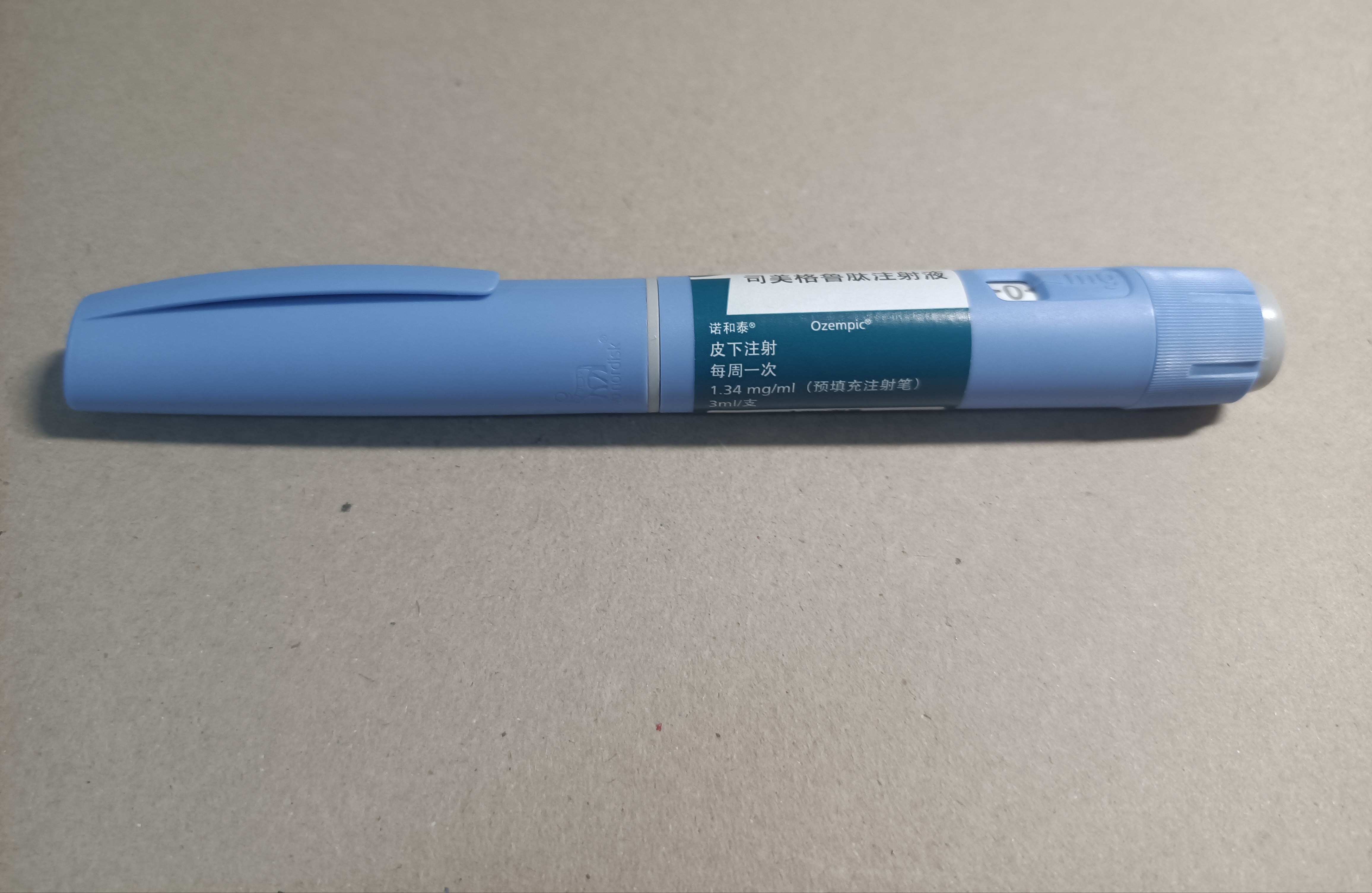
Todd Engel took Ozempic to manage his diabetes. He lost his eyesight.
Engel is not alone. Lawsuits consolidated in federal multidistrict litigation allege a litany of injuries. According to Novo Nordisk's court filings, 75 percent of federal cases allege gastroparesis — a paralyzing stomach condition that prevents food from passing into the intestines. Eighteen percent allege ileus, an intestinal obstruction. At least 110 plaintiffs accuse the drugs of causing sudden blindness or severe vision changes.
The medical warnings already in place are stark. Both semaglutide and tirzepatide carry the FDA's strongest boxed warning for thyroid C-cell tumors, based on rodent studies. FDA labels also warn of acute pancreatitis, gallbladder disease, acute kidney injury and severe gastrointestinal disorders including ileus and intestinal obstruction.
Regulators abroad have grown equally alarmed. The United Kingdom's Medicines and Healthcare products Regulatory Agency strengthened its warnings in January after a hard look at the data. Its Yellow Card Scheme had logged 82 deaths linked to GLP-1 adverse reactions, with 17 fatalities among 1,143 reports of acute and chronic pancreatitis. Nearly all of those pancreatitis reports — 973 — were filed in 2025 alone.
The question now is whether the benefits justify the risks, especially for patients without obesity or diabetes diagnoses. Clinical trials show tirzepatide produces approximately 16 percent weight reduction after 12 to 18 months, while semaglutide achieves about 11 percent over 24 to 68 weeks, according to Cochrane reviews commissioned by the World Health Organization. But real-world performance tells a different story.
A Prime Therapeutics study found 54 percent of patients continued therapy within 12 months. A follow-on analysis published in April 2025 showed only 14.3 percent remained on therapy at two years — leaving the vast majority to face what comes next.
Those who stop face a predictable outcome. A BMJ meta-analysis published in January projected patients would return to baseline weight within 1.7 years after discontinuation, with an average regain of 0.4 kilograms per month. Incretin mimetics — the class that includes semaglutide and tirzepatide — drove regain at 0.8 kilograms per month, double the average.
"Drugs such as Ozempic and Wegovy act like brakes on our appetite, making us feel full sooner, which means we eat less and therefore lose weight," said Brajan Budini, a medical student at Trinity College, University of Cambridge. "When people stop taking them, they are essentially taking their foot off the brake, and this can lead to rapid weight regain."
The weight that disappears isn't all fat, either. Studies show 15 to 25 percent of weight lost under GLP-1 treatment is lean muscle mass. Some research indicates 20 to 50 percent of total weight lost is fat-free mass — including muscle, bone and water. That finding carries particular weight for aging populations already vulnerable to sarcopenia, where muscle loss compounds quietly and dangerously over time.
"I think the problem with giving this medication to people who really don't have an indication for it is they assume all the risks of it, plus the risk of weight regain, which may be adverse for their health," said Dr. Jennifer Manne-Goehler, an obesity specialist at Mass General Brigham and a consultant to the WHO.
The financial cost is steep. Standard cash prices run $900 to $1,300 per month, though the TrumpRx program will offer Novo and Lilly products at $245 per month starting in April 2026. A Medicare coverage expansion announced in November will provide the drugs at a $50 monthly copay, also beginning in April 2026.
"That's the reality of life. There is nothing that's really all benefit and no risk. There's no medicine like that," said Dr. Ziyad Al-Aly, director of research at the VA Health Care System.
While Medicare premiums will cover the cost for millions of Americans, Eli Lilly and Novo Nordisk have already collected $69 billion combined in 2025 revenue from their GLP-1 weight loss drugs. Eli Lilly generated $37 billion from Mounjaro and Zepbound; Novo Nordisk earned $32 billion from Ozempic and Wegovy. The Cochrane reviews flagged an uncomfortable undercurrent: "Most included studies were funded by the drug manufacturers, who were substantially involved in the planning, conduct, analysis and reporting of the results."
Novo Nordisk stated it remains confident in the benefit-risk profile of its GLP-1 medicines when used consistent with their indications and product labeling. Eli Lilly stated that patient safety is its top priority and that it actively monitors, evaluates and reports safety information for all its medicines.
For Todd Engel, those assurances arrive too late. For the millions now weighing a $245-a-month prescription against a lifetime of dependency, regained weight and uncertain risk, the calculus is only beginning.