Ceasefire Cannot Fix Years Of Gulf Energy Infrastructure Destruction
75 Gulf energy facilities lie damaged or destroyed. The April 7 ceasefire ends the fighting on paper — but the physical wreckage will keep global markets in crisis for years.
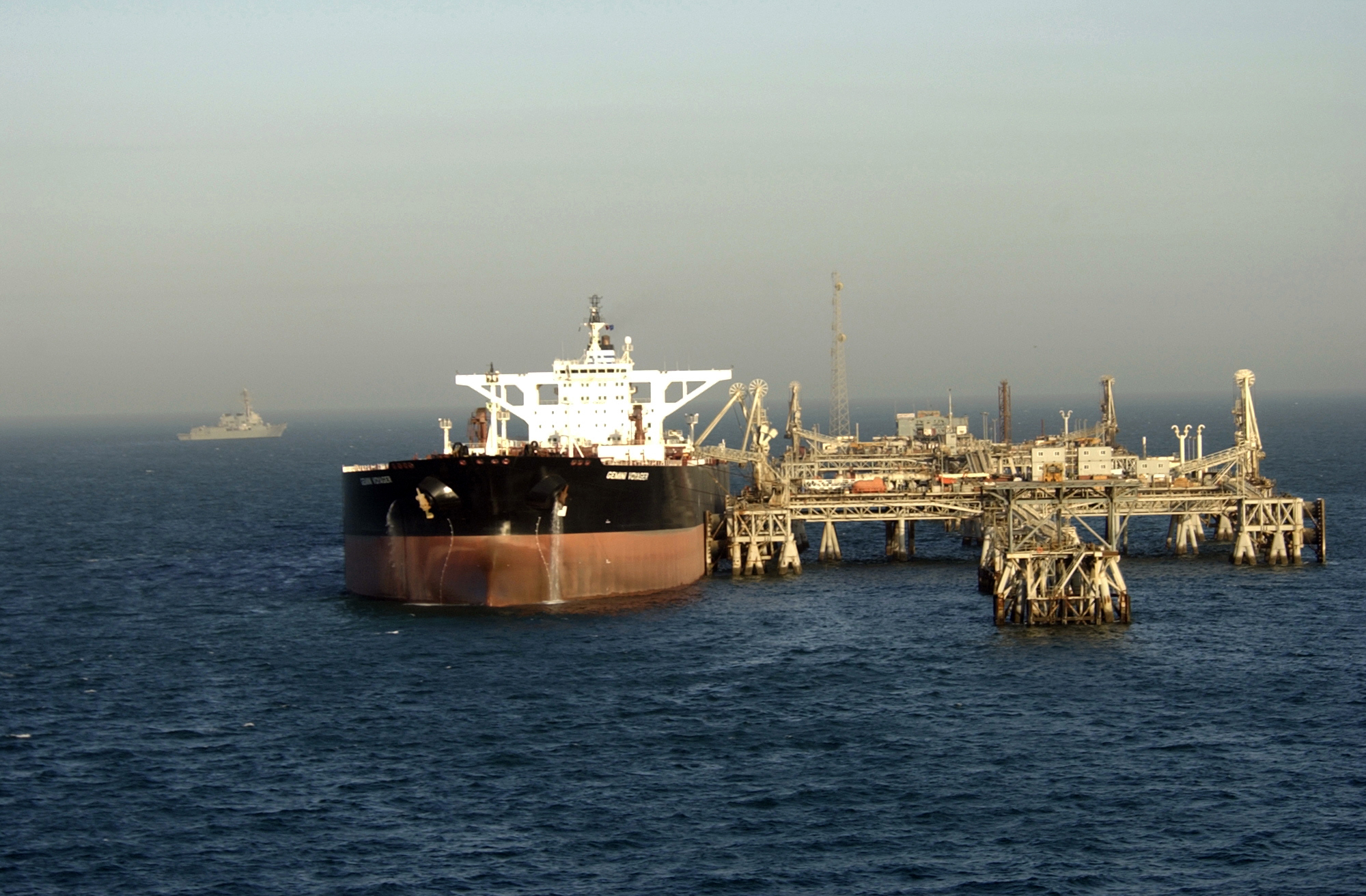
Seventy-five energy facilities across the Gulf have been damaged or destroyed, and the April 7 ceasefire will not restore what Iran's missile and drone campaign has physically obliterated. Repairs to the worst-hit sites will take years, not weeks — keeping global energy prices elevated long after politicians declare victory.
International Energy Agency Executive Director Fatih Birol laid bare the staggering scale of destruction in an April 7 interview. "Seventy-five facilities have been attacked and damaged, more than a third severely," Birol told Le Figaro. "Repairs will take a long time."
The Strait of Hormuz remains effectively closed despite the announced ceasefire. Only three ships transited the critical waterway on April 8, according to Lloyd's List data reported by NPR — a ghost of the 120 to 150 vessels that passed through daily before the war. Iran has imposed a $2 million toll per ship for passage, splitting fees with Oman in a new revenue stream carved from global necessity.
Gulf countries now pump far below pre-war levels. Birol confirmed 11 million barrels per day have vanished from global markets, with the Energy Information Administration projecting 9.1 million barrels per day of Gulf oil production to remain shut in April. Natural gas exports from the region have stopped entirely.
Attacks continued on April 8 despite the ceasefire taking effect. The UAE, Kuwait and Bahrain reported Iranian drone and missile strikes, while Saudi Arabia's East-West Pipeline was reportedly hit. The confusion on the water tells the story: "You don't really know who to talk to, who is in charge, and whether all the sort of regional commanders have gotten the memo that the strait is open and they should stop attacking vessels," ship broker Erik Broekhuizen told NPR.
The energy destruction cascades through global markets in ways consumers will feel at the grocery store as much as the gas pump. Urea prices have surged 50 percent and ammonia prices 20 percent since the war began. The Brookings Institution estimates the Hormuz blockage has erased 12 percent of global nitrogen fertilizer supply. Gulf Cooperation Council economies could see GDP contract by 5.2 to 8.5 percent, with losses reaching $168 billion, according to UNDP projections.
The human toll behind those numbers is sharpest in Iraq. Birol noted the country has lost two-thirds of its oil income, with 15 million people depending on oil and gas revenues to survive. Qatar faces particularly severe infrastructure damage — Iranian attacks on Ras Laffan have wiped out 17 percent of its LNG export capacity, and QatarEnergy estimates repairs will take three to five years.
Birol did not soften his warning about what lies ahead. "We are entering a 'black April,'" he said. "In the Northern Hemisphere, April usually marks spring — but now it may feel like the beginning of winter." He described the Gulf energy shock as "more severe than those of 1973, 1979, and 2022 combined because it is affecting oil, gas, food, fertilizers, petrochemicals, helium, and global trade all at once."
Economist Nasser Saidi warned the damage will outlast any diplomatic settlement. "Hits to infrastructure will have more permanent effects on prices, the ability to recover energy supply and overall economic recovery," Saidi told The National. "It is more likely to result in stagflation."
The physical destruction of Gulf energy infrastructure exposes the fragility of global supply chains dependent on unstable regions. With some repairs requiring years and billions in investment, this crisis demonstrates why energy independence and domestic production matter when geopolitics weaponizes supply chains against global markets. The ceasefire creates a political illusion of resolution while the economic reality tells a different story entirely.