EU Parliament Shatters Centrist Firewall in Historic Vote
European lawmakers voted to deport migrants, reject surveillance, and approve U.S. trade deal, ending decades of centrist dominance and reshaping Brussels politics.
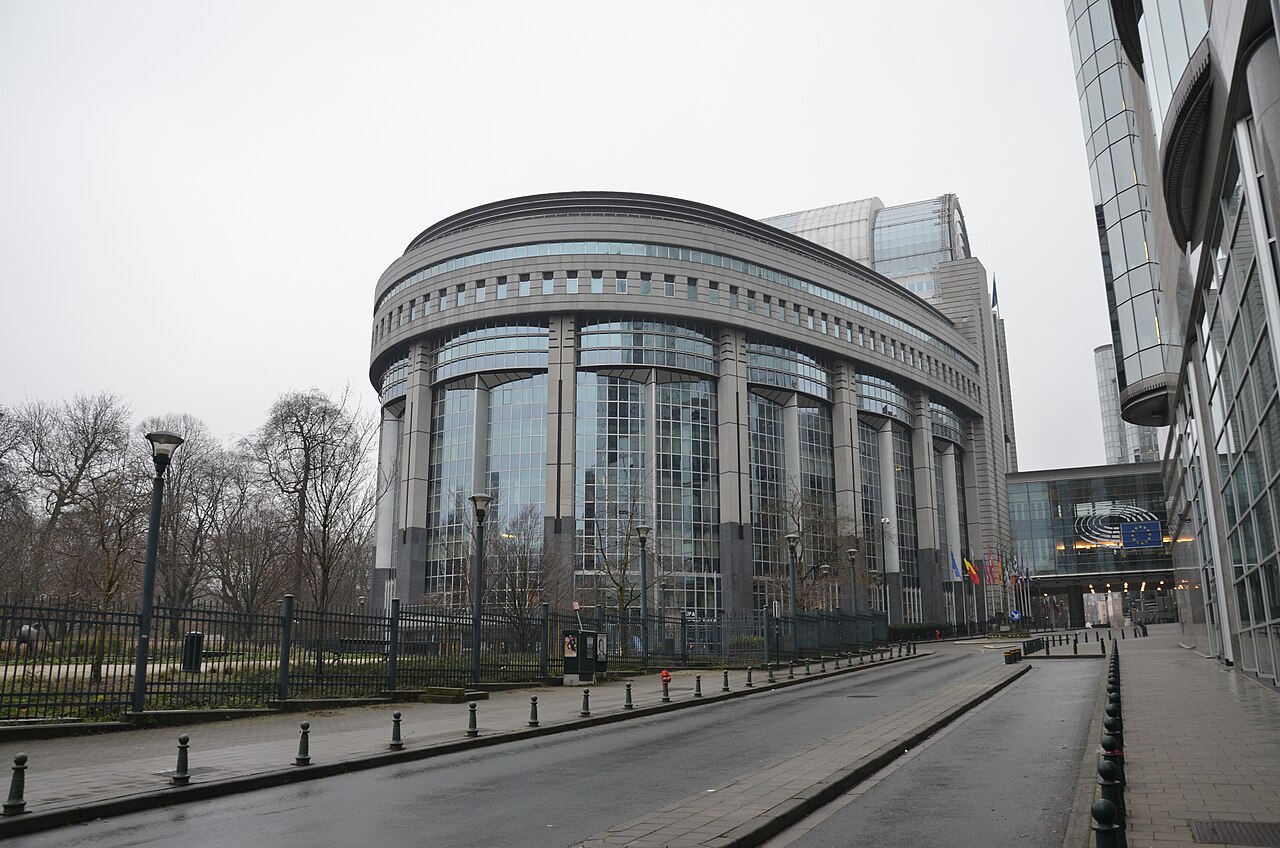
The European Parliament ended an era on March 26, voting to deport tens of thousands to offshore hubs, ban mass scanning of private messages, and lock in a trade deal with the United States that can be shut off if Washington threatens European sovereignty.
In a single session, lawmakers approved the Return Regulation by 389-206 with 32 abstentions, authorizing negotiations on migrant processing in third countries and detention up to 24 months. They simultaneously rejected the Chat Control surveillance extension 311-228 and cleared the EU-U.S. Turnberry trade deal 417-154. The triple vote marks the first time the centre-right European People's Party joined right-wing blocs to form a governing majority, shattering Brussels' decades-old isolation of nationalist voices.
"This is the Sweden Democrats' biggest negotiating success ever in the European Parliament," said Charlie Weimers of the European Conservatives and Reformists group. "It will now be easier to send illegal immigrants home, people who should not be in Europe."
The Return Regulation establishes offshore "return hubs" where migrants can be held before deportation, extends detention periods, and mandates EU-wide recognition of deportation orders. Parliament removed provisions allowing ICE-style raids of residences but approved deporting families to countries unrelated to their origin. The rules replace a 2008 directive as part of the Migration and Asylum Pact set for full implementation in June.
François-Xavier Bellamy of France's EPP delegation declared the vote transforms European policy. "We will impose a simple principle: who comes to Europe illegally cannot stay," he said. "With the adoption of the return regulation, we are finally giving our States the means to master their migration policy."
The coalition that passed these measures represents a profound structural shift in European politics. Dubbed the "Venezuela majority" for its origins in a 2024 vote on Venezuelan opposition, the alliance of EPP, ECR, Patriots for Europe, and Europe of Sovereign Nations formed over WhatsApp groups and in-person meetings since November. Euronews and Euractiv documented their coordinated drafting of the Return Regulation text in March.
Mary Khan of Germany's Alternative for Germany called the moment historic. "Today is a historic day for the AfD and a turning point in European migration policy," she said. "The previous policy of open borders has failed. This vote makes it clear that there is now a right-wing majority in favour of a genuine change."
The parallel rejection of Chat Control represents an equally significant victory for civil liberties advocates. The interim regulation allowing platforms to scan private messages expires April 3, ending a system opponents called corporate surveillance masquerading as child protection.
"This historic day brings tears of joy!" said Patrick Breyer of Germany's Pirate Party. "The EU Parliament has buried Chat Control – a massive, hard-fought victory for the unprecedented resistance of civil society and citizens!" Breyer cited European Commission data showing 99 percent of chat reports to police originate from Meta alone, with German police finding 48 percent of disclosed chats criminally irrelevant.
European Commissioners had lobbied desperately for extension, with four senior officials sending a March 23 letter pleading for continued scanning powers. Their defeat came by the narrowest margin, with a key amendment passing 307-306.
The Turnberry deal approval completes the day's legislative trifecta, advancing a trade pact negotiated between Commission President Ursula von der Leyen and former President Donald Trump at his Scottish golf resort last July. Parliament added three critical safeguards: a sunrise clause delaying EU tariff cuts until Washington respects commitments, a March 2028 sunset provision, and a suspension mechanism triggered by U.S. threats to European territory.
"The protective modifications were 'weatherproofing' the Turnberry deal," said Bernd Lange, chair of Parliament's International Trade Committee. "If this would happen again [threats like Greenland], then immediately the tariffs would be installed."
Karin Karlsbro of Renew Europe directly referenced Trump's 2025 threat to seize Danish territory. "We have not forgotten Greenland, the threats and the blackmail," she said. "Europe must be prepared to set conditions for the transatlantic relations moving onward."
The voting data confirms the firewall's collapse. EPP members broke ranks on all three votes, with the Return Regulation passing despite the group's traditional opposition to far-right alliances. The coalition now controls Parliament's agenda, with similar majorities forming on deforestation law postponements and migration policy since October 2024.
Political scientists see this not as an anomaly but as continental transformation. Marine Le Pen's Rassemblement National leads French polls ahead of 2027 elections, Germany's AfD records historic support in western states, and Italian Prime Minister Giorgia Meloni anchors what supporters call European sovereignty politics. The Overton window in Brussels has moved decisively rightward, prioritizing national border control over supranational bureaucracy.
But Thursday's votes suggest the era of Brussels' technographic consensus has ended, replaced by a sovereignist coalition demanding practical security, digital privacy, and economic independence from both American pressure and European overreach.