Constitutional Conservatives Block Warrantless Surveillance Extension
Twenty Republican lawmakers defied President Trump and Speaker Mike Johnson to block a clean extension of FISA Section 702, citing Fourth Amendment concerns and demanding civil liberties protections.
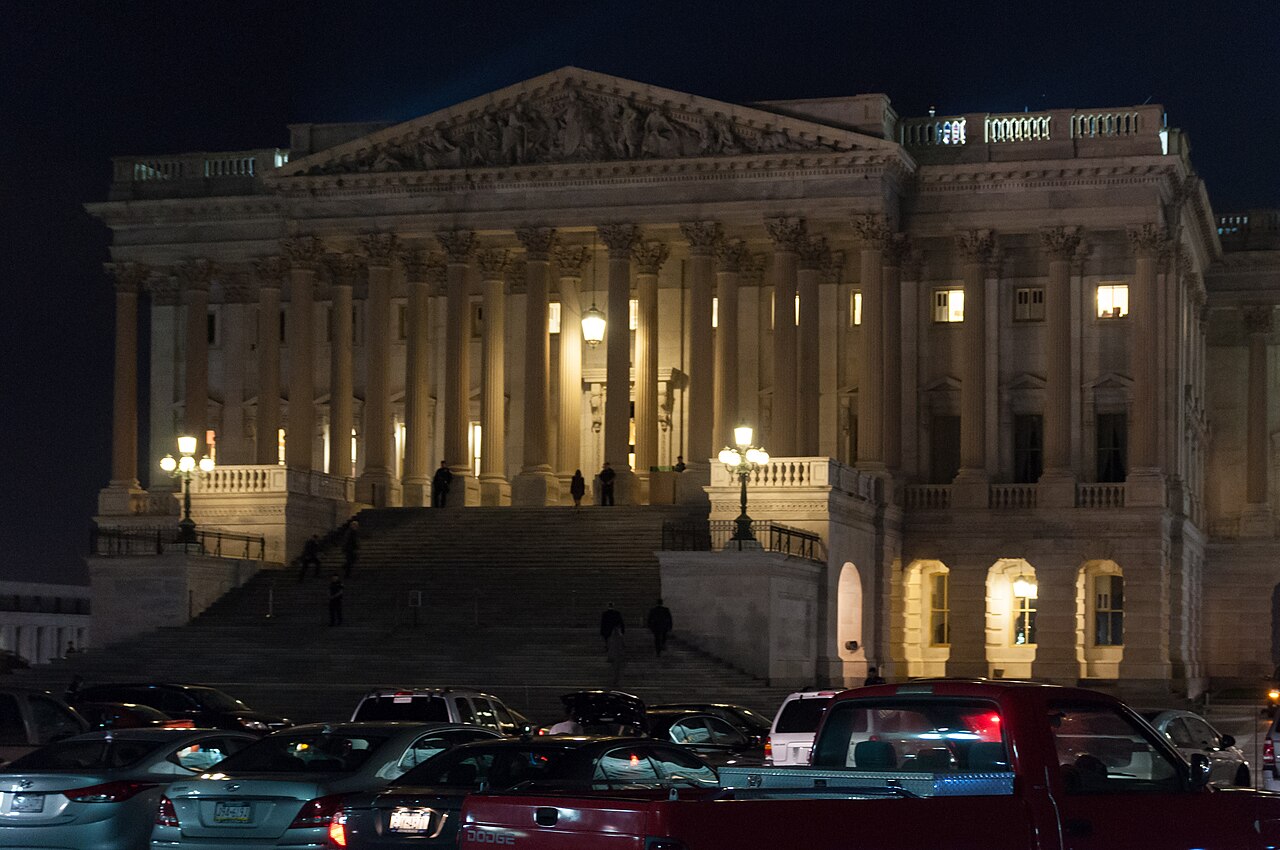
At 2 a.m. on April 17, a quiet revolution unfolded on the House floor as 20 Republican members defied President Trump, Speaker Mike Johnson, and the entire national security establishment to block a clean extension of America's warrantless surveillance program. Their vote defeated Speaker Johnson's procedural motion 197-228, forcing a 10-day emergency extension until April 30 rather than hand intelligence agencies another blank check. This constitutional stand represents a historic confrontation between Fourth Amendment protections and a surveillance apparatus with documented systemic compliance failures.
The rebellion centers on FISA Section 702, which authorizes warrantless collection of communications from foreign targets but incidentally sweeps up Americans' communications. Intelligence agencies conduct thousands of "backdoor searches" annually, querying this data without warrants to access Americans' private communications. The program surveilled 349,823 targets in 2025, with 60 percent of the president's daily intelligence brief in 2023 containing Section 702 information.
A March 2026 FISA Court opinion revealed major compliance problems with filtering tools used across the intelligence community, finding the issue "ongoing" and extending beyond the FBI. Sen. Ron Wyden stated the compliance problems "are directly related to Americans' Constitutional rights." Instead of fixing these documented failures, the Justice Department notified Congress on April 16 it is appealing the court ruling, choosing to fight judicial oversight rather than address the problems.
Oversight mechanisms have been systematically dismantled. The FBI's Office of Internal Auditing, established in 2020, was shut down by Director Kash Patel. All three Democratic appointees on the Privacy and Civil Liberties Oversight Board were fired by the Trump administration. The DOJ Inspector General is reportedly inactive, creating an oversight vacuum that permits the administration to pursue its appeal without institutional checks.
The constitutionalist rebels include Thomas Massie, Lauren Boebert, Andy Harris, Chip Roy, and Keith Self. Freedom Caucus Chair Harris declined a White House meeting invitation, stating, "I've heard everything that the executive has to say on FISA." Massie explained his vote after viewing classified documents, stating, "I just viewed two Top Secret FISA docs. The Constitution requires I vote No on FISA 702 reauthorization."
Boebert framed the stand in historical terms. "We're always threatened that something very bad is going to happen, people will die if we don't reauthorize 702," she said. "But many men and women, thousands have died for the Fourth Amendment, and I'm going to continue to stand up and protect that Fourth Amendment right for all American citizens." Self called it "a privacy issue" and emphasized, "You cannot warrantlessly surveil U.S. citizens."
The administration mounted intense pressure. Trump posted on Truth Social April 14 urging Republicans to "UNIFY" on the clean extension, stating, "Our Military Patriots desperately need FISA 702." CIA Director John Ratcliffe told Fox News "there's a lot at stake" during a visit to Capitol Hill in an effort to sell House Republicans on a clean FISA 702 extension. Gen. Dan Caine, Joint Chiefs chair, warned in a letter that losing Section 702 would "degrade our worldwide combat lethality."
Even within the administration, concerns about clean reauthorization exist. In February 2026, Director of National Intelligence Tulsi Gabbard told President Trump she did not support a clean FISA reauthorization, according to two sources familiar with the meeting. The White House overruled her concerns. Gabbard previously co-sponsored 2020 reform legislation with Massie and has been largely absent from White House lobbying efforts.
The current crisis follows a documented pattern of abuse. Between 2020 and 2021, the FBI improperly used Section 702 almost 300,000 times targeting January 6 suspects and racial justice protesters. The 2022 FISA Court found FBI violations were "persistent and widespread." The 2024 RISAA reforms with 56 provisions proved insufficient, as the court found problems "ongoing" in March 2026.
The program can continue on FISA Court certification through March 2027, but Congress has until April 30 to decide whether to reauthorize with reforms or let it expire. Democrats have demanded a bipartisan process with safeguards. Four Democrats crossed party lines to support the procedural rule, including Reps. Marie Gluesenkamp Perez, Jared Golden, Josh Gottheimer, and Tom Suozzi.
Republicans hold 218 seats to Democrats' 214, meaning Speaker Johnson can afford only two defections on party-line votes. This is the same math problem that has threatened other Republican legislation, but here, constitutional principle has outweighed party unity. The House now has 10 days to pass reforms with civil liberties guardrails or allow a core surveillance pillar to expire during active tensions with Iran.
The stand represents not partisan obstruction but a principled constitutional confrontation. As Massie stated, "Both versions would have allowed Feds to unconstitutionally spy on Americans." Roy clarified, "We understand and agree with the president that we need 702 authority to go after bad guys abroad. We're fighting for greater protections, whether it's this administration or future administrations to ensure citizens have protections."