King Charles Addresses Congress as UK-US Alliance Fractures
King Charles III addresses Congress as the UK-US special relationship reaches its weakest point since World War II, exposed by a leaked Pentagon memo threatening Falkland Islands sovereignty over Britain's refusal to join the Iran war.
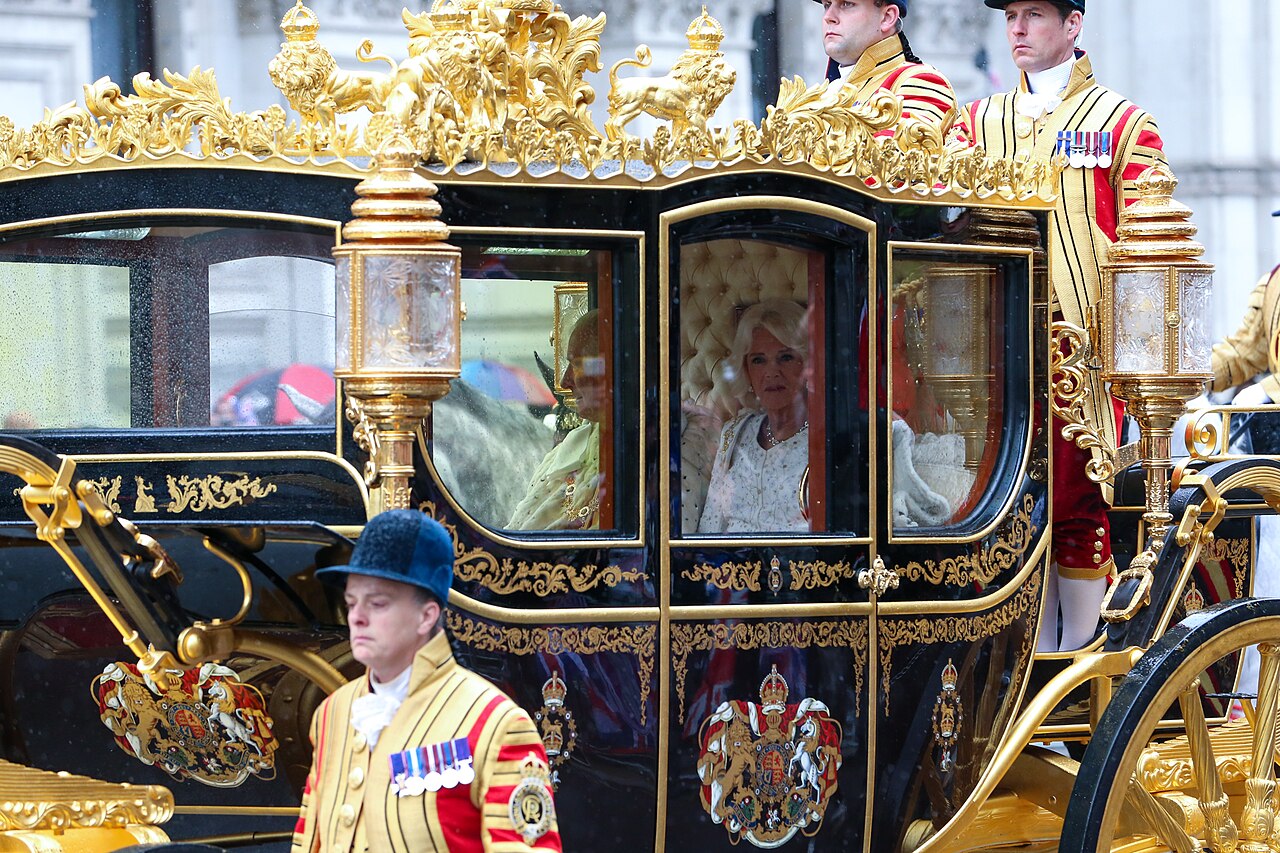
King Charles III addressed a joint session of Congress Tuesday, the first British monarch to do so since his mother Queen Elizabeth II in 1991. The ceremonial pageantry masked a starker reality. The UK-US "special relationship" has collapsed to its weakest point since World War II. A leaked Pentagon memo laid bare the damage, proposing the US strip diplomatic support for British sovereignty over the Falkland Islands.
The email, leaked April 24, weaponized Britain's most emotionally charged territorial dispute. It served as punishment for Prime Minister Keir Starmer's refusal to join the US war in Iran. The memo proposed reviewing US support for European overseas territories and specifically named the Falklands as retaliation for NATO allies declining the Iran campaign. It also floated suspending Spain from NATO.
A cross-party Lords international relations committee report published April 22 had already documented the structural collapse. The special relationship faces "greater strain today than at any point since the second world war," the report stated. Lord George Robertson, former NATO Secretary General who chairs the committee, concluded Britain's military dependence on the US is "no longer tenable."
"It was a 'naive belief' that the White House would always be on hand to help the UK out in times of conflict," Robertson said at a Chatham House seminar.
Starmer triggered Washington's punitive response in March by refusing to allow US forces to use British bases for initial strikes against Iran. He later permitted only defensive missions against Iranian missiles and shipping.
"We're not going to get dragged into this war," Starmer told MPs on April 1. "It is not our war."
President Trump responded with escalating public attacks. He compared Starmer to Neville Chamberlain and dismissed Royal Navy aircraft carriers as "toys." Trump told the LA Times on March 3, "This is not Winston Churchill that we're dealing with."
On April 17, Trump labeled NATO "useless when needed" and a "paper tiger" after allies declined to join the Iran war.
The Falklands memo represents the most direct threat yet. The 1982 war killed 255 British and 649 Argentine soldiers. The islands remain a potent symbol of British sovereignty. In a 2013 referendum, 99.8 percent of Falkland voters chose to remain British on 92 percent turnout.
Downing Street issued an emergency clarification within hours of the memo's publication. A spokesperson stated April 24, "We could not be clearer about the UK's position on the Falkland Islands. Sovereignty rests with the UK, and the islands' right to self-determination is paramount."
Pentagon press secretary Kingsley Wilson confirmed the punitive posture, stating the war department would "ensure that our allies are no longer a paper tiger and instead do their part." The State Department subsequently reiterated US neutrality on the sovereignty dispute.
Domestic opposition to the King's visit runs strong. A YouGov poll in late March found 49 percent of Britons oppose the trip versus just 33 percent in favor. Liberal Democrat leader Ed Davey called the visit a reward for Trump's "bullying behavior." He compared the president to "a mafia boss running a protection racket."
Falklands veteran Simon Weston echoed the sentiment. "Trump's 'hissy fit' over the sovereignty of the islands makes our sacrifice feel slightly irrelevant," Weston told the BBC's Newsnight.
The King's Congress address, framed as reconciliation, serves as soft-power damage control for a government that chose diplomatic isolation over alliance solidarity. Starmer's defense of the visit as marking "the 250th anniversary of relations" cannot mask the fundamental free-rider problem his government exposed. Britain expected American military protection while refusing to support American military action.
Trump has since threatened a "big tariff" on the UK if it does not scrap its digital services tax on US tech companies. He suggested the UK-US trade deal signed in May 2025 "can always be changed." The escalating economic and diplomatic punishment demonstrates the transactional collapse of what was once a special relationship.
As King Charles told Congress that "time and again, our two countries have always found ways to come together," the real message was clearer. A monarch was sent to do a prime minister's dirty work, attempting diplomatic repair for strategic failures that have left Britain isolated and exposed.