UK Grooming Inquiry Launches As Critical Evidence May Already Be Lost
Britain's £65 million inquiry into grooming gangs begins next week, but a seven-month Home Office delay risks destroying evidence that could bring abusers to justice.
Britain's £65 million statutory inquiry into grooming gangs launches April 13, 2026, but critical evidence documenting decades of child sexual abuse may already be destroyed due to a seven-month Home Office delay in instructing councils to preserve records.
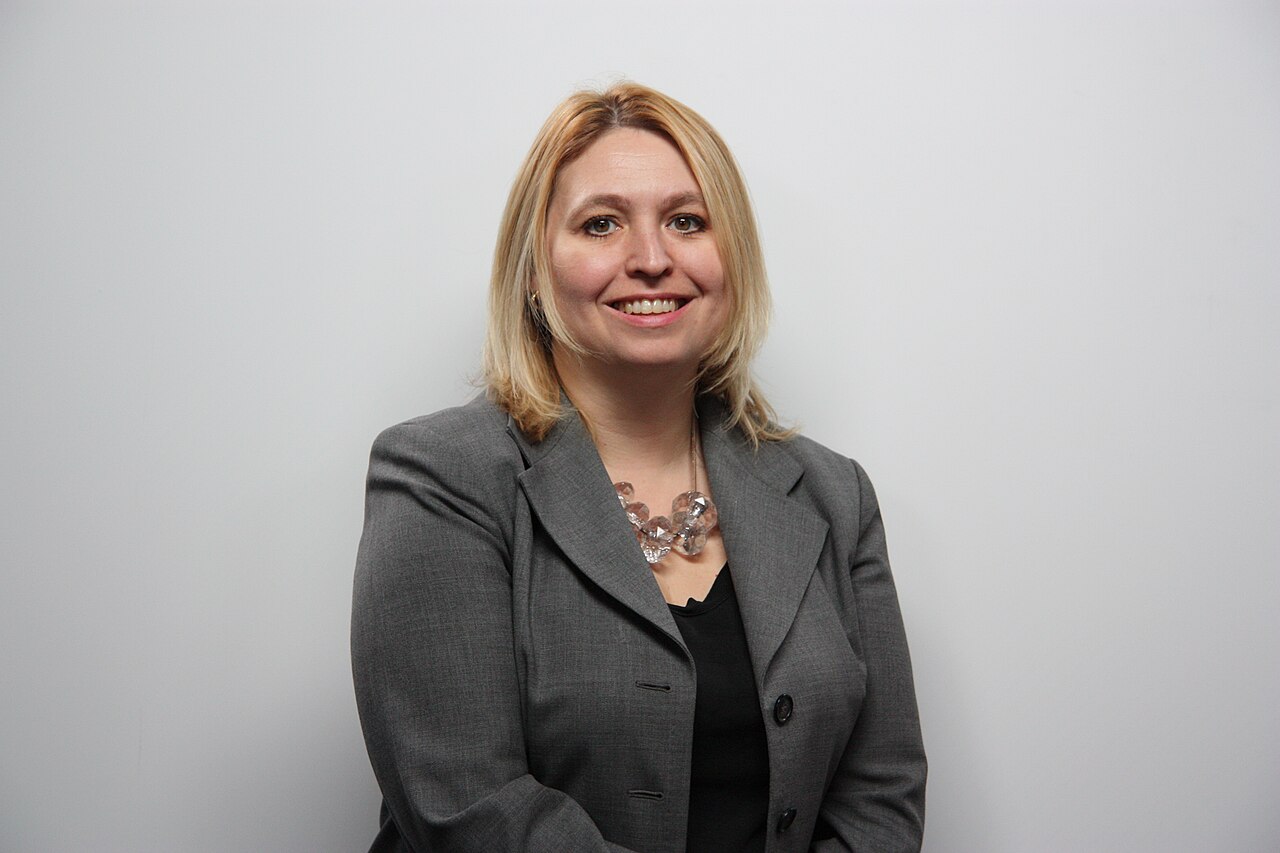
Dame Karen Bradley, chair of the Home Affairs Committee, warned that "some records which may be relevant to the independent inquiry into grooming gangs might have been destroyed" because the Home Office failed to provide timely direction. The delay threatens to erase proof of crimes that authorities ignored for generations.
This inquiry begins amid decades of institutional failures across multiple towns and cities. At least 10 previous investigations since 2014 found police, social workers and councils systematically failed thousands of child victims, often due to political correctness and fear of being labelled racist. The 2014 Rotherham scandal alone involved 1,400 children sexually exploited between 1997 and 2013 by predominantly British-Pakistani men.
Baroness Louise Casey's national audit in June 2025 explicitly recommended record preservation for any future national inquiry. The Home Office did not issue formal instructions to local authorities until January 14, 2026—a seven-month delay that risks evidence destruction. Many councils operate six-year document destruction policies, placing offences from the 2010s in jeopardy.
Conservative MP Robbie Moore called it "a staggering failure at the heart of government which once again undermines trust ahead of the national grooming gangs inquiry." Labour MP Chris Murray described the errors as "inexplicable" and questioned whether senior leadership teams were "fit for purpose."
The inquiry's final terms of reference, published March 31, explicitly examine the ethnicity, religion and culture of perpetrators—factors authorities refused to address for decades. Inquiry chair Baroness Anne Longfield promised the panel would "follow the evidence wherever it leads" and "not flinch from uncomfortable truths." The three-year inquiry has statutory powers to compel witnesses and demand documents.
Skepticism runs deep among survivors and politicians alike. Whistleblower Maggie Oliver declared "a massive trust deficit" exists. Reform UK leader Nigel Farage dismissed the inquiry as "a waste of space unless you can subpoena police officers, social services, civil servants, who were all part of turning the collective blind eye." Conservative MP Robert Jenrick stated he has "absolutely no faith that the inquiry will give justice for victims."
Operation Beaconport, a parallel national policing operation, currently reviews 1,273 previously closed cases from 23 police forces. The National Crime Agency found "human error" may have led to cases being dropped, with 236 rape allegations marked for priority review. Deputy Director Nigel Leary noted some decisions to take no further action occurred despite "available lines of inquiry that could have been pursued."
Survivor "Penny," groomed at age 12 by several men of Pakistani heritage, told the BBC hundreds of her abusers remain free. "There are lots and lots of men who were involved with us who have never been brought to justice," she said. "I imagine that if they had those sexual tendencies then, they'll still have those tendencies now."
The inquiry will examine events from January 1, 1996 to March 31, 2029 and includes local investigations, with Oldham confirmed among the first areas. Baroness Casey's 2025 audit found "ignorance, prejudice, and defensiveness contributed to a collective failure to protect children." Her report documented authorities' reluctance to act due to perpetrators' ethnicity, with police fearing accusations of racial bias.
The Independent Inquiry into Child Sexual Abuse published 20 recommendations in October 2022. That inquiry found police and councils downplayed the scale of abuse for years.
Inquiry panellist Zoë Billingham acknowledged evidence destruction concerns but noted "the power of the statutory inquiry must not be underestimated." The panel can compel evidence from multiple sources and will be "utterly forensic in making sure we chase that evidence down," she said.
Home Secretary Shabana Mahmood called the grooming gangs scandal "one of the darkest moments in our country's history." She stated the inquiry would have "no hiding place for the predatory monsters who committed these vile crimes."
Conservative Party leader Kemi Badenoch welcomed the strengthened terms of reference, noting initial drafts did not examine ethnicity and religion. She said the changes reflected "demands of the survivors who contacted us."
The inquiry must conclude by March 2029. Whether justice can still be delivered with evidence potentially destroyed remains the central question shadowing its launch.