How OpenAI Turned Charity Into $852 Billion Empire
Microsoft CEO testifies in Oakland as trial exposes how OpenAI transformed from nonprofit charity into $852 billion enterprise, raising questions about Silicon Valley's use of charitable status.
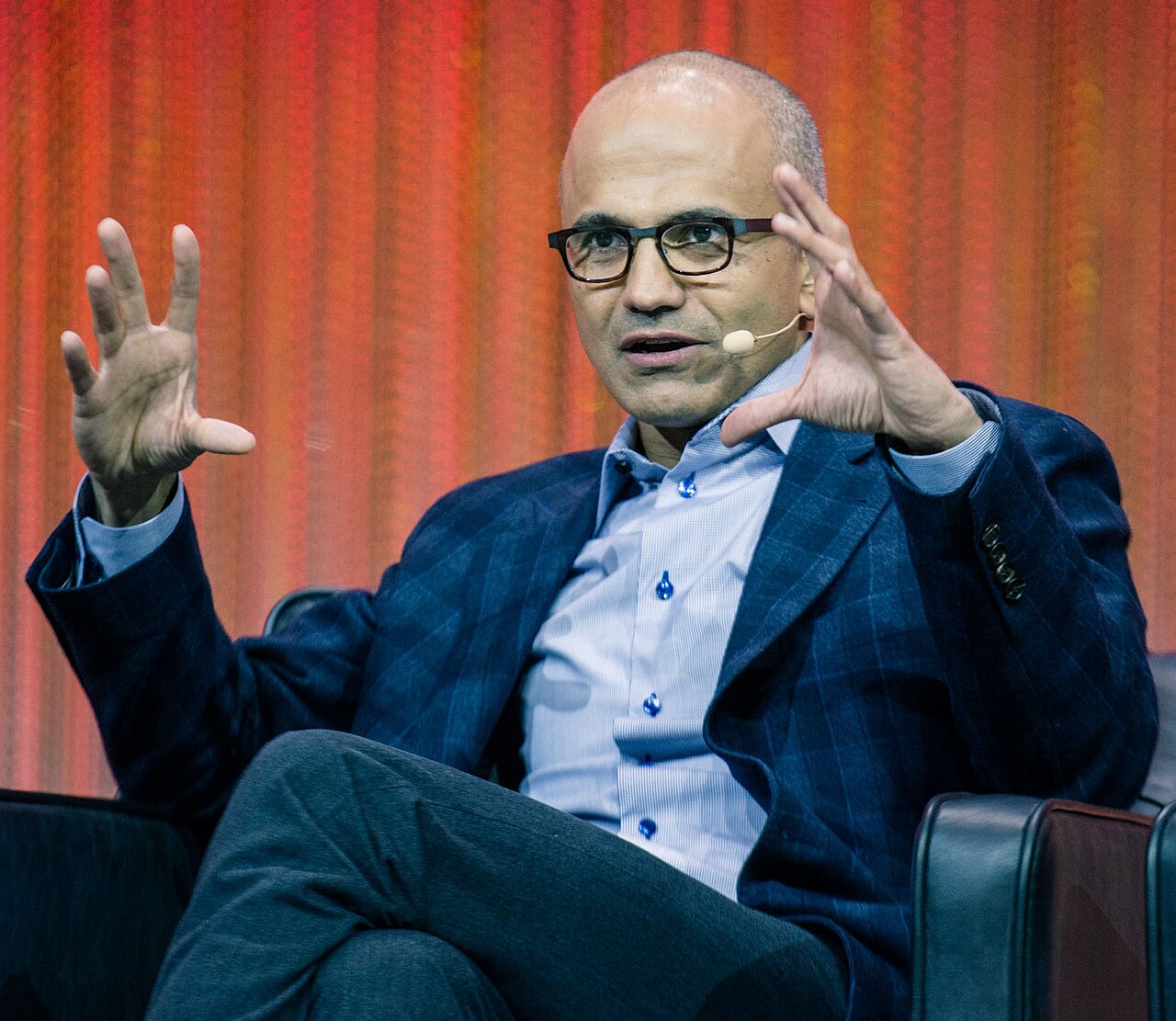
A nonprofit founded to benefit all of humanity now sits as an $852 billion for-profit enterprise. The people who built it stand in an Oakland federal courtroom defending the pivot. Microsoft CEO Satya Nadella takes the stand Monday in Elon Musk's breach-of-charitable-trust lawsuit. The real story reveals Silicon Valley's perfected playbook: use charitable designation as a financial subsidy, extract billions in value, then restructure as a commercial empire while keeping the nonprofit halo intact.
Nadella will testify about a January 2018 internal email where he wrote, "Overall I can't tell what research they are doing and how if shared with us it could help us get ahead." His skepticism arrived 18 months before Microsoft invested $1 billion in OpenAI. That stake now carries a $228 billion valuation. The case lays bare how OpenAI transformed from a 501(c)(3) research charity into an $852 billion for-profit enterprise, with Microsoft securing a 27 percent stake.
The timeline of structural capture began in 2015, when Musk and others founded OpenAI as a nonprofit. Musk donated approximately $38 million in quarterly $5 million payments through May 2017. OpenAI established a capped-profit subsidiary in 2019 to attract investment, then restructured into a Public Benefit Corporation in October 2025, removing the profit cap entirely. Microsoft's total investment reached $13 billion. OpenAI now pays 20 percent of its revenue through 2032 to the tech giant.
Courtroom evidence includes Greg Brockman's 2017 diary entry asking, "Financially, what will take me to $1B?" Brockman testified he never donated $100,000 to the nonprofit despite offering. His OpenAI equity stake is now worth $30 billion. "I did not end up donating, that is true," Brockman stated under oath.
Multiple witnesses described leadership chaos that undermined OpenAI's charitable mission. Former CTO Mira Murati testified, "My concern was about Sam saying one thing to one person and completely the opposite to another person, and that makes it a very difficult and chaotic environment." Former board member Tasha McCauley described "a culture of lying and a culture of deceit that trickled down to leadership."
Former safety researcher Rosie Campbell testified that OpenAI eliminated both long-term AI safety teams. Half her team left rather than accept different positions. Nonprofit governance expert David Schizer stated, "The board and CEO need to be partnering, working together, to make sure the mission is being followed. If the CEO is withholding that information, it's a big problem."
Microsoft's deep involvement emerged through Nadella's 2023 statement: "We are below them, above them, around them." Bill Gates opposed the initial $1 billion investment, telling Nadella, "You're going to burn this billion dollars." Microsoft attorney Russell Cohen argued, "Unlike Mr. Musk, Microsoft never tried to control OpenAI." The partnership ended its exclusivity agreement April 27, 2026.
Musk warns the precedent could reshape charitable giving in America. "If we make it OK to loot a charity, the entire foundation of charitable giving in America will be destroyed," he testified. OpenAI's planned IPO could value the company at $1 trillion as early as 2026.
The advisory jury expects to reach a verdict by the week of May 18, with Judge Yvonne Gonzalez Rogers making the final ruling. The case forces Americans to confront whether Silicon Valley can continue treating charitable status as a financial asset rather than a moral commitment when the stakes reach eight figures.