Orbán's Cronyism Consumed What Brussels Never Could
Oligarchs are rushing billions out of Hungary as Viktor Orbán's 16-year rule collapses under voter revolt against cronyism, captured markets, and economic stagnation.
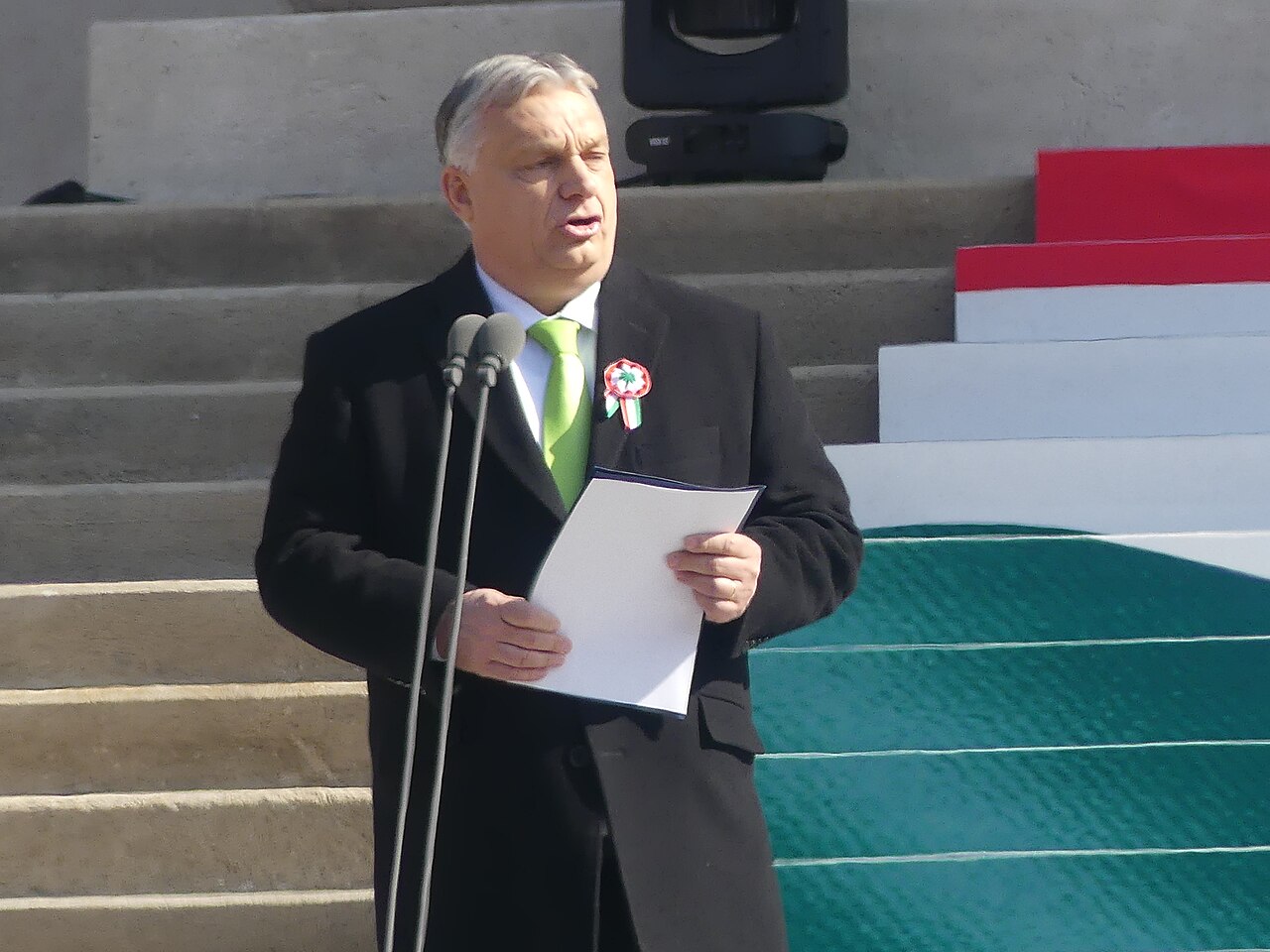
Oligarchs are loading private jets in Vienna and wiring billions to Dubai and the UAE. While Brussels spent years sanctioning Viktor Orbán's regime, his own system of state-contract cronyism is hemorrhaging its spoils.
Lőrinc Mészáros's companies transferred 3.39 billion forints to his private account at the end of March 2026, days before Hungary's election. Ádám Matolcsy, son of the former central bank governor, ships his Porsche collection to Dubai. Three members of Orbán's inner circle move assets to Saudi Arabia, Oman, and the UAE. This wealth flight exposes the hollow core of Hungary's sovereignty project — a kleptocratic racket masquerading as nationalist resistance.
Hungarian voters delivered the crushing blow on April 12. The Tisza party won 53 percent of the vote and 138 of 199 parliamentary seats, ending Orbán's 16-year tenure with a supermajority mandate. "The election result is painful for us, but understandable," Orbán conceded after his defeat. The victory was no simple "return to democracy," but a voter revolt against captured markets and economic stagnation.
Péter Magyar's Tisza party represents a conventional centre-right formation poised to restore Hungary's alignment with Brussels. Magyar vows to lift the veto on the Ukraine loan, join the European Public Prosecutor's Office, and unlock €18 billion in frozen EU funds — while maintaining Hungary's veto on Israel sanctions. Orbán's sovereignty defense collapses, replaced by a government committed to asset recovery and European integration.
The Hungarian Competition Authority was systematically captured to protect Fidesz allies. "There are firms that are exempt from penalties — and in whose cases investigations must even be dropped on higher orders," GVH office manager Zsombor Berezvai testified. German-owned Lidl faced a 186 million forint fine for a minor croissant flour discrepancy, while government-linked firms escaped scrutiny.
Fidesz-linked firms receive 90 percent of their revenue from EU-funded public procurement, according to the Corruption Research Center Budapest. Contracts were inflated by 1.7 to 10 times their market value. This artificial wealth is now fleeing the country as Orbán's system unravels.
Magyar issued a direct warning to the outgoing cabinet. "We know what you're doing," he stated. "Everyone involved in these deals — those who made the decisions, or those who failed to stop them — will be held accountable." The incoming prime minister accused ministries of splashing "tens of billions — possibly hundreds of billions of forints" to cronies before the transition.
U.S. Vice President JD Vance condemned EU actions as "one of the worst examples of foreign election interference that I have ever seen." Donald Trump praised Orbán as having "done a fantastic job." Yet the real threat to Orbán came from Hungarian voters facing the EU's highest inflation rates every month between September 2022 and November 2023.
Hungary's economy entered technical recession twice in 2023-2024. Real GDP grew just 0.3 percent in January 2025. The child abuse pardon scandal that forced President Katalin Novák's resignation in February 2024 destroyed the government's moral authority. Orbán's sovereignty was a fig leaf over economic misery and institutional corruption.
The conservative right faces a sobering lesson. Nationalist leaders who abandon market discipline for patronage will be voted out by their own base. Orbán's defense of national sovereignty against EU overreach was genuine — and Brussels' interference was real. But none of that excuses captured regulators, state-contract rackets, or the suppression of child abuse investigations.
Orbán's defeat represents a setback for the nationalist movement. It signals that even strong sovereignists can fall when they transform government institutions into personal patronage networks. The conservative right must demand accountability and free markets, not defend captured institutions that enrich cronies at public expense.