Pentagon Cuts Military Fellowships at Elite Universities, Shifts to Conservative Institutions
The Pentagon has canceled 93 military fellowships across 22 elite universities including five Ivy League schools, replacing them with conservative-leaning institutions that emphasize American values and intellectual freedom.
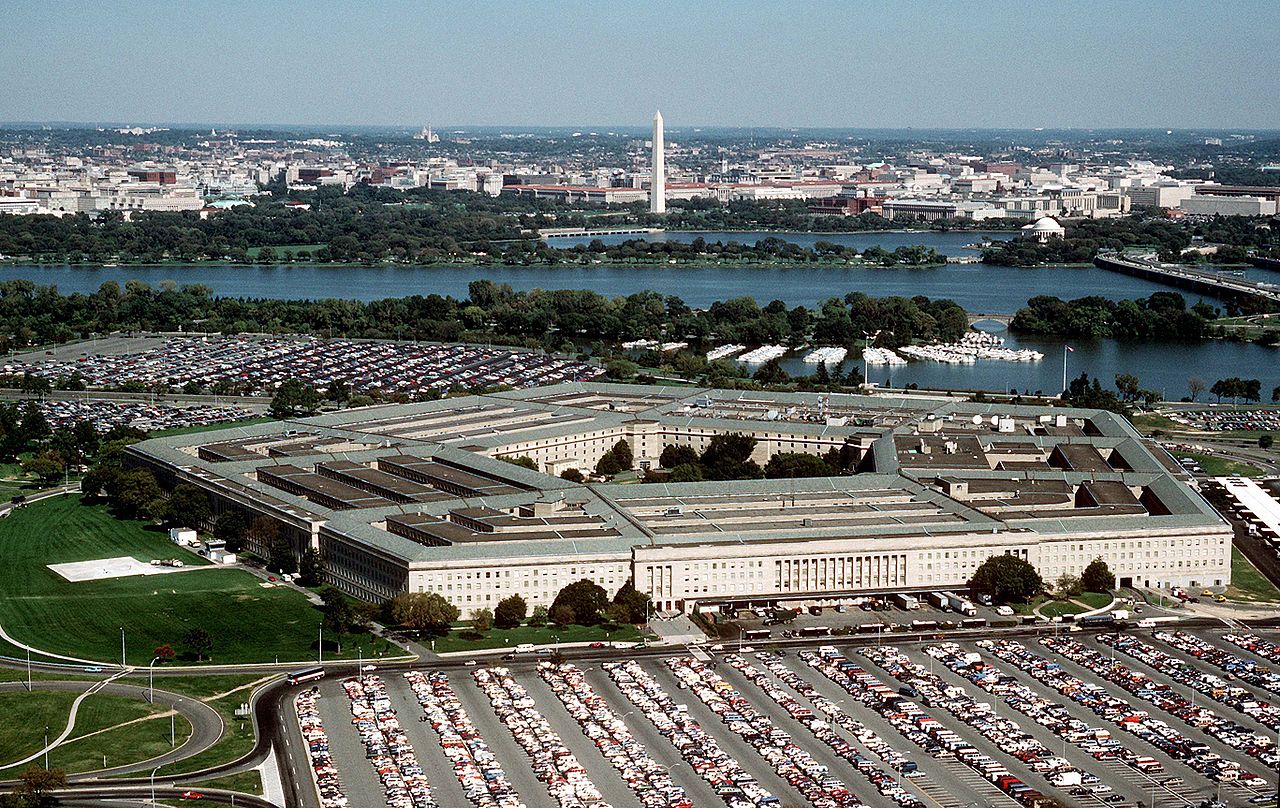
The Pentagon canceled 93 military fellowships across 22 elite universities on May 11, 2026, effectively ending decades of partnerships with institutions it accuses of promoting woke ideology over American values.
The move replaces those fellowships with a new roster dominated by conservative-leaning schools. Secretary of Defense Pete Hegseth ordered the termination of all Senior Service College fellowship programs at Harvard, Yale, Princeton, Columbia and Brown for the 2026-2027 academic year.
Harvard alone lost 21 fellowships. Johns Hopkins lost 11. Georgetown lost six. The Pentagon identified 21 new institutions to fill the void, including Liberty University, Hillsdale College, The Citadel, Virginia Tech and Auburn University.
Schools made the cut based on criteria including intellectual freedom and minimal relationships with adversaries. The selection represents a deliberate pivot away from coastal elite universities toward institutions with conservative-leaning student bodies.
Hegseth called Ivy League schools "factories of anti-American resentment and military disdain." He stated the military trains "warriors, not wokesters."
The secretary accused elite universities of replacing "the study of victory and pragmatic realism with the promotion of wokeness and weakness." A former Harvard graduate who returned his diploma in 2022, Hegseth has consistently criticized elite institutions for what he calls their ideological capture by leftist dogma.
An internal Army email leaked to Business Insider revealed the groundwork for this decision. The document identified 33 universities as moderate to high risk for Pentagon funding cuts. Harvard was marked fully off limits.
The risk list included Boston University, Columbia, Cornell, Duke, Georgetown, MIT, New York University, Stanford and Yale. The assessment shows the Pentagon had already been narrowing its options before the broader announcement on Feb. 27, 2026.
Academic freedom advocates pushed back quickly. Scholars at Risk expressed concern about "formal state pressure on institutional autonomy, academic freedom, and on-campus expression."
William and Mary called the decision puzzling and said the school was saddened to be included. The institution had only one military student in the fellowship program.
These criticisms reflect reactions from organizations and schools with minimal actual military enrollment. The real impact falls on institutions with deep military ties and decades of fellowship history.
Hillsdale College President Larry Arnn thanked Hegseth for the selection. He noted Hillsdale "refuses all government money to preserve its independence" and emphasizes the U.S. Constitution.
Senators Tommy Tuberville and Katie Britt praised Auburn University's inclusion. Tuberville declared Alabama is "filled with young PATRIOTS who (unlike Ivy Leaguers) LOVE AMERICA."
Auburn already holds an $11.4 million Missile Defense Agency contract. The university's selection signals a broader strategy of rewarding schools that align with Pentagon priorities.
This fellowship cancellation fits within a larger administration campaign against elite universities. The Trump administration has cut billions in federal research funding and launched investigations into universities over antisemitism allegations and DEI policies.
Columbia and Brown reached settlements with the White House. Harvard sued, alleging an unconstitutional pressure campaign.
New York Times data cited by the BBC shows Harvard received $560 million from Chinese sources between 2010 and 2025. The figures fuel Pentagon concerns about adversary influence on American campuses.
Hegseth signed a March 12 memo establishing a 90-day Senior Service College Task Force. The task force will review all SSCs and SSC fellowships across National Defense University, National War College, Army War College, Naval War College, Air War College and Marine Corps War College.
Findings are expected by mid-June 2026. The Pentagon also directed compilation of a revised list of elite institutions offering equivalent programs.
The shift represents a clear policy direction aimed at rescuing military readiness from educational institutions the Pentagon says have failed their duty to the country. Pentagon spokesman Sean Parnell stated the memo "directs the DOD to focus SSC fellowships away from institutions that 'diminish critical thinking, have significant adversary involvement or fail to deliver rigorous education grounded in realism.'"
With 93 SSC fellowships canceled across 22 universities, the scope appears targeted rather than broad. Pentagon Tuition Assistance data shows Harvard had 39 participants in 2023. Columbia had nine. MIT had two.
The numbers establish a stark contrast between institutions that have abandoned meritocracy for ideology and those ready to serve national security interests. The military seeks to purge what Hegseth calls "the suffocating confines of leftist ideology" from officer education programs.
Hegseth has accused universities of replacing "open inquiry and honest debate with rigid orthodoxy." The military, once a bastion of rigorous training and discipline, has seen its ranks influenced by administrators and faculty pushing critical race theory and DEI mandates.
This Pentagon decision sends a warning to the higher education establishment. If universities refuse to serve the nation, the nation will refuse to fund them.
The losers are not just professors who prioritize ideology over patriotism. The military's adversaries now face a better-trained, more disciplined fighting force. American troops will be unburdened by the ideological distractions that have weakened Western militaries for decades.