Supreme Court Birthright Citizenship Case Tests 14th Amendment's Original Meaning
The Supreme Court faces a landmark decision on birthright citizenship, with the president warning of economic disaster if justices reject his executive order restricting automatic citizenship for children of undocumented immigrants.
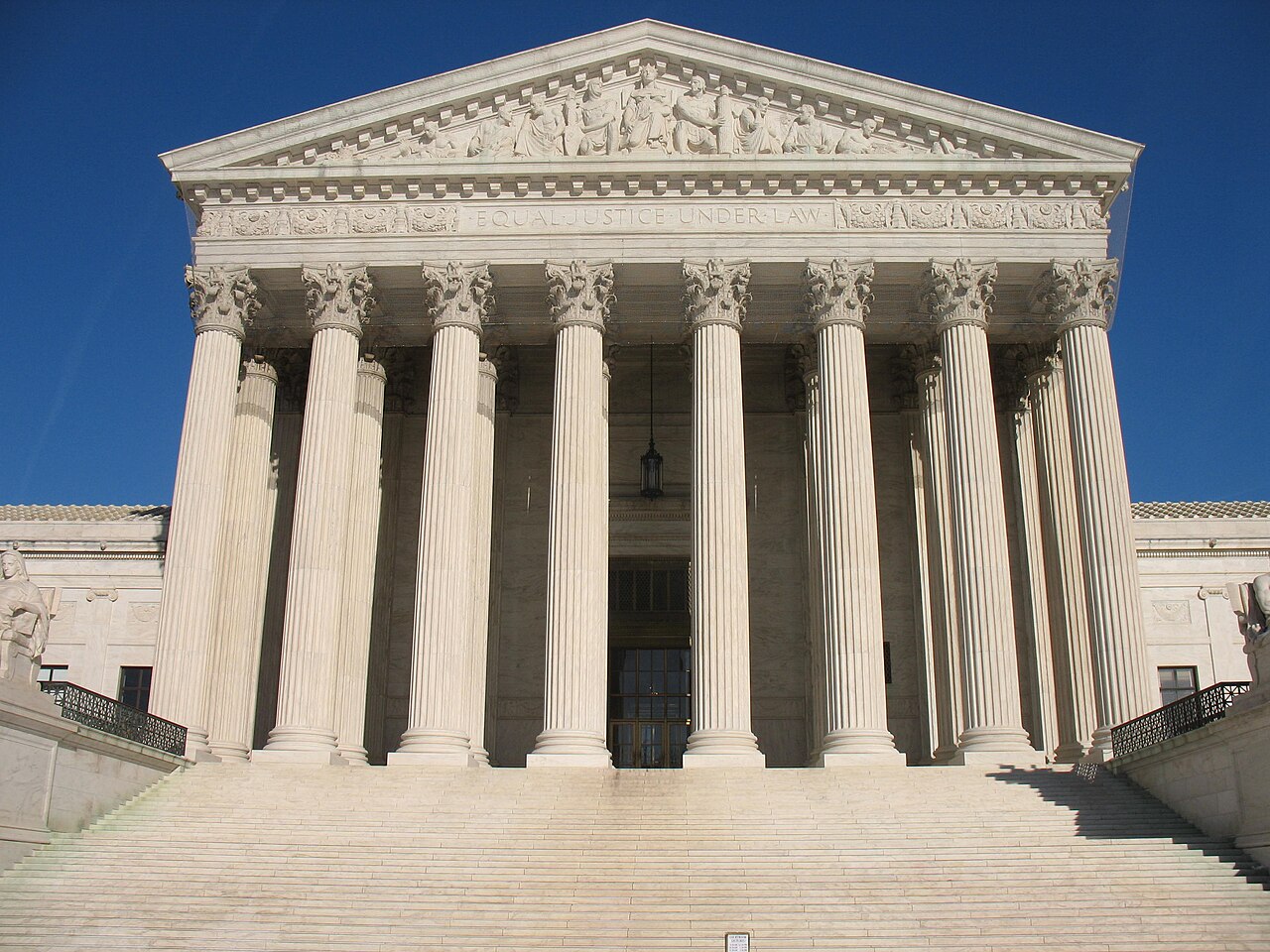
The Supreme Court prepares to decide whether the 14th Amendment guarantees citizenship to every child born on American soil, regardless of their parents' immigration status. The ruling will determine the fate of an executive order that could reshape the lives of roughly 260,000 children born annually to undocumented immigrants or those on temporary visas.
President Trump sounded a warning on May 21, predicting the justices will rule against his order and calling that outcome "a disaster economically for our country." He told reporters the 14th Amendment "was meant for the babies of slaves... This was signed right after the Civil War."
The case, Trump v. Barbara, centers on Executive Order 14160, signed Jan. 20, 2025. The order restricts automatic citizenship by anchoring the policy in the 14th Amendment's original purpose: securing citizenship for formerly enslaved people. Solicitor General D. John Sauer argued before the Court that the amendment was designed for newly freed enslaved people, not "children of aliens who are temporarily present in the United States or illegal aliens."
Prominent constitutional scholars lent weight to the administration's position. Randy Barnett, Kurt Lash, Richard Epstein, Adrian Vermeule and Philip Hamburger filed amicus briefs supporting the originalist interpretation. Their scholarship frames the executive order as a constitutional enforcement action rather than a radical departure from legal precedent.
Chief Justice John Roberts tested the administration's argument during April 1 oral arguments. "It's a new world," Roberts told Sauer. "It's the same Constitution." His remark signaled skepticism toward restricting birthright citizenship. Every lower federal court has rejected the executive order, underscoring the legal headwinds the administration faces.
The practical stakes extend beyond the courtroom. Birth tourism has evolved into a commercial enterprise, with Fox News reporting that Miami-based concierge services facilitate more than 2,000 international births. Sauer conceded during arguments that "no one knows for sure" how widespread birth tourism has become.
Public opinion adds another layer of complexity. A Fox News Poll shows 69 percent of voters support birthright citizenship for children born to illegal immigrants. The disconnect between originalist legal theory and popular sentiment highlights the political weight of the Court's upcoming decision.
Cecillia Wang of the ACLU argued before the justices that "everyone born here is a citizen." Her position rests on a broad reading of the 14th Amendment. The administration counters that the amendment's text defines citizenship based on being "subject to the jurisdiction" of the United States, a qualification it argues excludes those present illegally.
Trump has been blunt about his expectations. He warned the Court "will probably rule against me because they seem to like doing that." The president framed the order as a necessary defense of national sovereignty, citing what he called "20 to 25 percent of the people coming into our country" through birthright citizenship channels.
The case forces a confrontation between competing visions of constitutional interpretation. Originalist scholars argue the amendment's text and history support the administration's reading. Mainstream legal institutions have consistently rejected that argument for more than a century. The justices must now decide which vision carries the weight of law.
What emerges from the courtroom will shape the meaning of American citizenship for generations. The Court's decision will test whether the executive branch can unilaterally narrow a right that has stood since the Civil War. It will also signal how far the judiciary will go in policing the boundaries of national sovereignty.