Supreme Court Shields Religious Liberty From State Coercion
In a unanimous 9-0 ruling, the Supreme Court blocks New Jersey from weaponizing subpoenas against a pregnancy center, establishing firm constitutional boundaries protecting religious organizations from government overreach and ideological punishment.
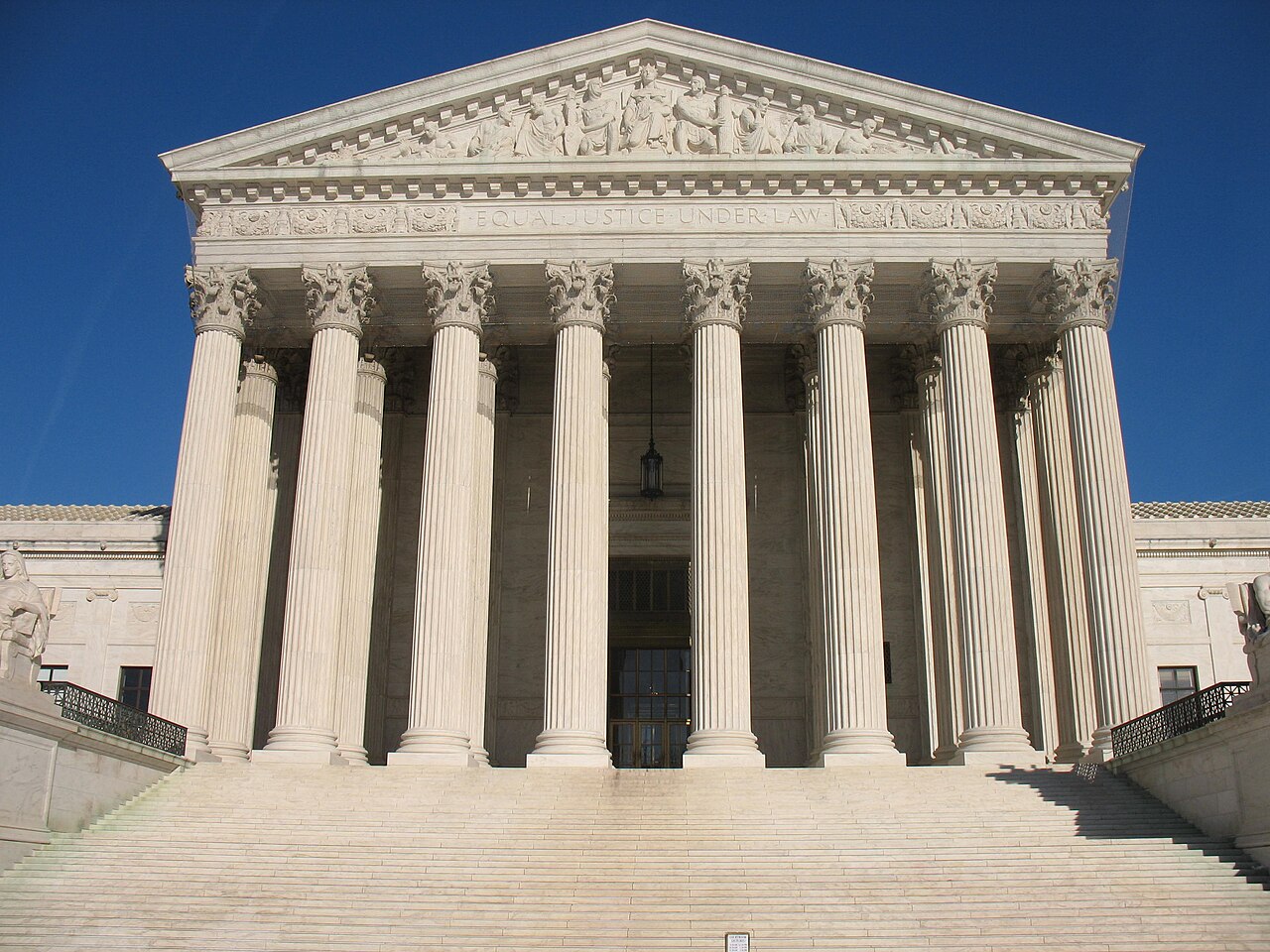
Government officials cannot weaponize subpoenas against faith-based charities simply for holding traditional religious views. That is the message from the Supreme Court's unanimous 9-0 intervention this month, establishing a firm boundary against state coercion and protecting vulnerable religious organizations from ideological punishment.
The Court delivered its decisive ruling April 29 in First Choice Women's Resource Centers v. Davenport. Justice Neil Gorsuch authored the 22-page opinion reversing the Third Circuit Court of Appeals, granting the New Jersey pregnancy center standing to challenge what it characterizes as unconstitutional harassment. All nine justices joined the decision, including Justices Sonia Sotomayor, Elena Kagan and Ketanji Brown Jackson.
The dispute traces back to 2023, when former Attorney General Matthew Platkin issued a subpoena demanding 10 years of donor data from First Choice. The document warned twice of contempt charges and business dissolution if the Christian nonprofit refused to comply. Platkin's office had received zero complaints about First Choice, despite actively soliciting consumer grievances.
"An official demand for private donor information is enough to discourage reasonable individuals from associating with a group," Gorsuch wrote. "It is enough to discourage groups from expressing dissident views."
The Court applied landmark precedent from NAACP v. Alabama, ruling that compelled disclosure of private donor lists inherently chills associational rights. "Since the 1950s, this Court has confronted one official demand after another like the Attorney General's," Gorsuch stated. "Over and again, we have held those demands burden the exercise of First Amendment rights."
An unprecedented coalition of 39 amicus briefs backed First Choice, demonstrating broad consensus across the political spectrum. The Trump administration's Solicitor General filed supporting arguments. So did the American Civil Liberties Union, the U.S. Chamber of Commerce and the Conference of Catholic Bishops.
First Choice operates five centers across New Jersey, providing free ultrasounds, pregnancy tests, STD testing and parenting education since 1985. The ministry has served more than 36,000 women while distributing baby clothes, diapers, car seats and food. It does not provide or refer for abortions.
New Attorney General Jennifer Davenport responded with defiance within hours of the ruling. "Today's procedural decision holds only that First Choice can pursue its challenge to our subpoena, not that its challenge should prevail," Davenport stated April 29. "We will continue to enforce our fraud laws without fear or favor."
Davenport filed an April 30 letter urging a state judge to fast-track enforcement proceedings, attempting to circumvent federal review. Alliance Defending Freedom counsel Erin Hawley called the move a continuation of state hostility. "New Jersey's attorney general is doubling down on her predecessor's hostile crusade to keep First Choice from vindicating its First Amendment rights in federal court," Hawley said May 1.
National data shows pregnancy centers delivered over $452 million in medical care and material goods to families in 2024, according to a Charlotte Lozier Institute report. The 2,775 centers nationwide served more than 1 million new clients last year.
"New Jersey's attorney general targeted First Choice—a ministry that provides parenting classes, free ultrasounds, baby clothes, and more to its community—simply because of its pro-life views," Hawley stated April 29. "That is blatantly unconstitutional."
First Choice executive director Aimee Huber said the state's campaign spanned more than two years. "He has gone to great lengths to frustrate the important work we do—work that has made a tangible, life-saving difference for tens of thousands of New Jersey women and their children," Huber said.
The immediate post-ruling efforts by New Jersey officials underscore the ongoing struggle between state coercion and religious liberty. For the families who rely on First Choice's free services, this unanimous decision signals more than a legal victory. It affirms that their charity's mission—to help women and children in their community—will not be sacrificed to government overreach.