Hungary Dismantles Sovereignty Office Under EU Pressure
Hungary's new government moves to abolish the Sovereignty Protection Office, marking the first major reversal of Viktor Orbán's national defense policies amid mounting pressure from European Union institutions.
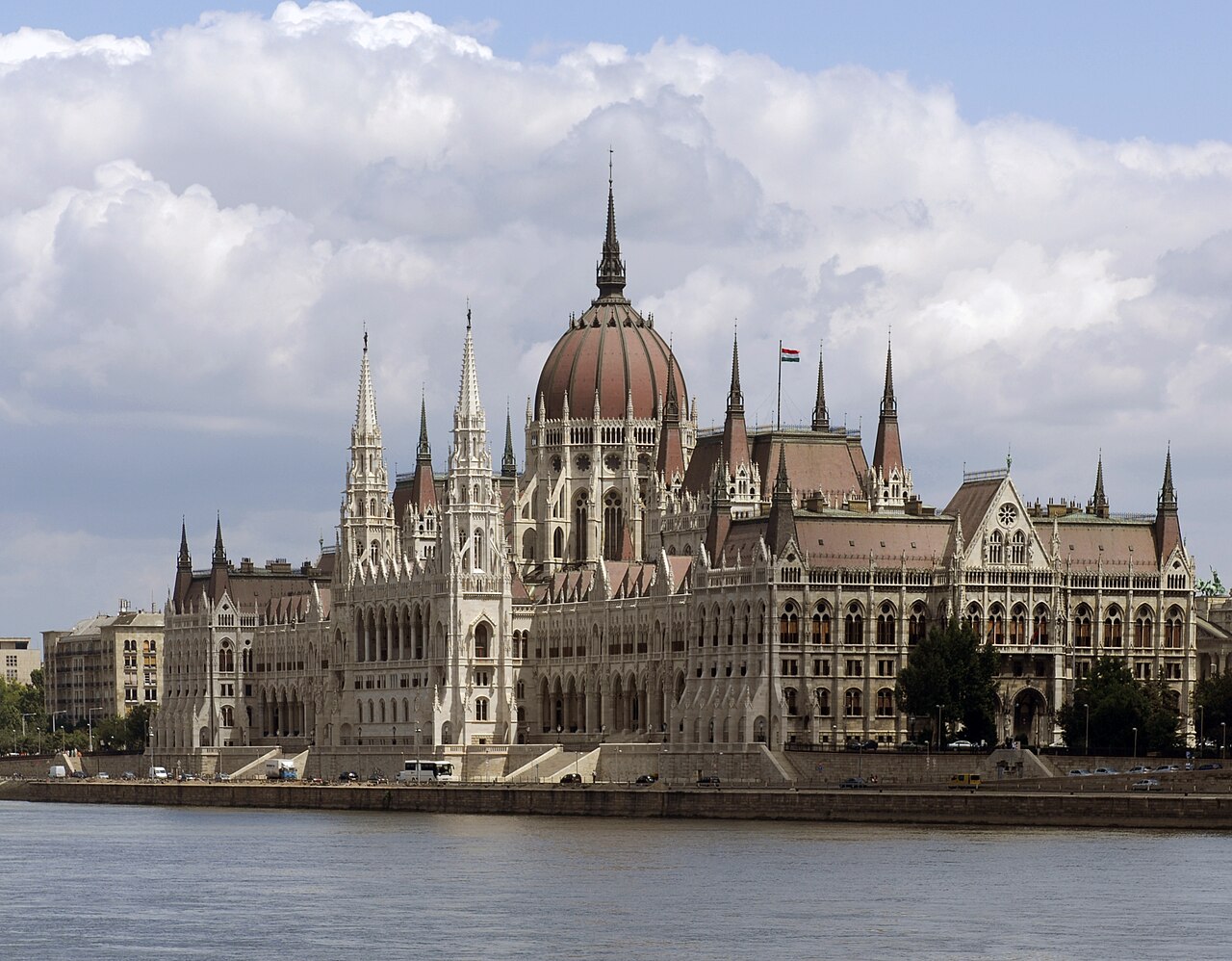
Hungary is dismantling the office created to protect its sovereignty from foreign interference, bowing to European Union pressure in the first major reversal of Viktor Orbán's national defense policies. The abolition bill arrived in parliament on June 2, 2026, signaling the Tisza party's alignment with Brussels over Budapest's constitutional identity.
The Sovereignty Protection Office took shape under Orbán's government in December 2023. Established under Act LXXXVIII of 2023 and effective December 22, the agency investigated activities that might threaten Hungary's sovereignty and constitutional identity. Its mandate drew directly from Article R(4) of the Fundamental Law.
Tamás Lánczi, a former Orbán speechwriter, led the office with more than 110 staff members and a 6 billion forints annual budget. By June 2024, the SPO launched investigations into Transparency International Hungary, the Átlátszó investigative portal, and the Göd-ÉRT Association. Published reports labeled TI Hungary a "political pressure group" and accused Átlátszó of engaging in "intelligence activities" on behalf of the United States.
Dorka Takácsy, a visiting fellow at the German Marshall Fund of the United States and research fellow at the Centre for Euro-Atlantic Integration and Democracy, wrote in a Center for European Policy Analysis article that the office "was designed to deal with the perceived effect of Western soft power on sovereignty, rather than the more concrete forms of influence used by China or Russia." Fidesz parliamentary group leader Máté Kocsis explained the SPO's purpose in 2023: "We want to nettle left-wing journalists, fake civilians, and 'dollarpoliticians.'"
The European Commission challenged the SPO from its inception. Infringement proceedings began in February 2024. The Venice Commission recommended repealing SPO provisions in March 2024. Advocate General Juliane Kokott delivered an opinion in February 2026 proposing the court find Hungary violated EU law.
This pattern of institutional opposition reveals how EU bodies view sovereignty protection mechanisms as illegitimate threats to European integration.
The abolition bill states the SPO "performs no actual public duty, and its creation served purely political intent and interest." The SPO did not respond to Reuters inquiries about the legislation. The bill forms part of the Sixteenth Constitutional Amendment package submitted May 20, 2026, alongside an eight-year prime ministerial term limit that bars Orbán from returning.
Prime Minister Péter Magyar's Tisza Party won the April 12 parliamentary elections with 53 percent of the vote and 141 of 199 seats, securing a constitutional majority. The BTI 2026 describes Tisza as presenting itself as "a moderate centrist party aligned with the European People's Party."
Fidesz parliamentary group leader Gergely Gulyás warned the constitutional amendment aims to abolish Hungary's strict migration policy. Former justice minister Bence Tuzson called the proposal contradictory to democratic principles. Citizens collected 40,000 signatures against removing the "Christian culture" clause from the constitution in just 2.5 days, demonstrating significant public opposition to the government's sovereignty retreat.
The EU Migration and Asylum Pact enters into force June 11, 2026. Hungary faces €1 million daily fines for noncompliance with European Court of Justice migration judgments. Foreign Minister Anita Orbán indicated openness to accepting a "limited number of migrants" under the EU framework.
The SPO's abolition, combined with the migration policy shift, represents a comprehensive reversal of Hungary's sovereignty-focused approach to national self-determination. For citizens who rallied to defend the Christian culture clause, the question remains whether Budapest's voice will carry weight in the corridors of Brussels—or simply fade into compliance.