South Wales Police Enforce De Facto Blasphemy Law
South Wales Police ordered officers to log anti-Islam speech beyond subjective 'legitimate' debate standards, prompting the Free Speech Union to threaten judicial review over what it calls a de facto blasphemy law.
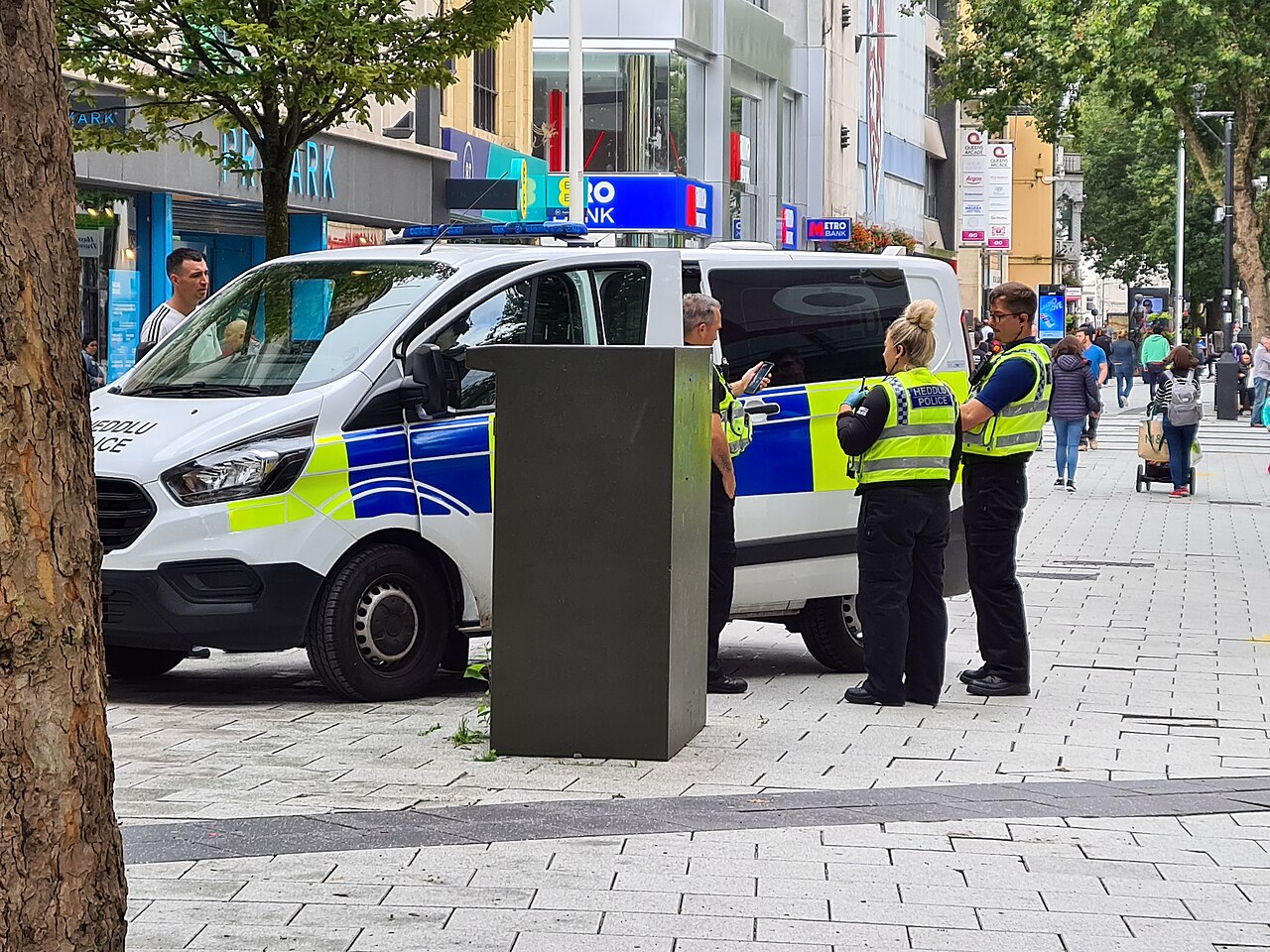
A teacher discussing Islam at work could lose her job. A volunteer at the Samaritans might never pass a background check. A citizen expressing criticism of the faith risks having that conversation permanently recorded against them.
South Wales Police ordered officers to log anti-Islam conversations exceeding subjective standards of "legitimate" debate, creating what the Free Speech Union calls a de facto blasphemy law that records lawful criticism of Islam. The civil liberties group filed a legal letter threatening judicial review against the force on June 2.
The government unveiled a non-statutory definition of anti-Muslim hostility on March 9 with explicit free speech safeguards. South Wales Police added its own wording to that definition, expanding a government standard with parliamentary protections into a subjective policing test. Unelected officers now hold the power to decide what speech about Islam crosses the line.
The official government definition protects "criticisms of a religion or belief, including Islam" and "ridiculing or insulting a religion or belief." Communities Secretary Steve Reed assured Parliament on March 9 that the definition "safeguards our fundamental right to freedom of speech about religion."
South Wales Police instructed officers to record any conversation about Islam that exceeds what they consider "legitimate" discussion or scrutiny. If an officer decides someone crossed that line, the incident gets logged as anti-social behaviour, the replacement for non-crime hate incidents. These records surface in enhanced DBS checks.
"People are rightly concerned that, if they say something that another person takes offence at, it can permanently blot their copybook and may prevent them getting a job as a teacher or a carer, or volunteering at a charity like the Samaritans," Lord Young of Acton, FSU General Secretary, said during a House of Lords debate March 9.
The FSU legal letter calls the guidance "an unacceptable risk of unlawful interference with protected rights."
The government accepted all NPCC and College of Policing recommendations on March 31 to scrap non-crime hate incidents and replace them with a narrower recording standard. South Wales Police circumvented that reform by creating a parallel system. Police recorded more than 250,000 non-crime hate incidents since 2014, including approximately 30,000 between 2022 and 2025.
The Bradford case illustrates the pattern. Elaine, chairman of the Bradford Hate Crime Scrutiny Panel, was sacked after raising concerns about the focus on Muslim safety versus Jewish safety following a synagogue terrorist attack in Manchester. Chief Superintendent Richard Padwell removed her after complaints from Muslim police officers called her views "derogatory opinions of the Islamic faith" influenced by "far-Right rhetoric."
Police in England and Wales spend an estimated 60,000 hours a year investigating and recording non-crime incidents, time that could go toward solving actual crimes, Lord Young noted.
"This subjective definition gives officers the power to decide what constitutes acceptable speech and risks having a chilling effect on free expression," said Max Thompson, FSU Campaigns Officer.
Conservative MP Katie Lam stated April 7 that the government's new "anti-Muslim hostility" definition "will make it harder to talk about Islamist extremism, FGM, and the grooming gangs." She added that officials "would rather restrict our right to criticise than deal with these problems head-on," putting citizens "in danger."
Shadow Communities Secretary Paul Holmes echoed those concerns. The definition "risks hindering free speech within the law, it risks hindering legitimate criticism of Islamism, and it risks creating a backdoor blasphemy law."
Communities Secretary Steve Reed insisted on March 9, "There is absolutely no question of blasphemy laws by the back door." Thompson responded that the FSU's warning was vindicated "repeatedly in the three months since the Government announced its new definition." No government minister has responded specifically to the South Wales Police guidance.
A spokesman for South Wales Police said the force "has received correspondence from the Free Speech Union and the matter is ongoing." Blasphemy laws were abolished in England and Wales by the Criminal Justice and Immigration Act 2008. The FSU warns that South Wales Police effectively revives blasphemy protections for Islam alone through subjective police interpretation rather than legislation.
In a free society, no religion deserves special immunity from criticism.