University Students Face Riot Charges After Social Media Takeover Overwhelms Rehoboth Beach
Four Delaware State University students face felony riot charges after organizing a social media event that drew hundreds to Rehoboth Beach, forcing business closures and straining local law enforcement.
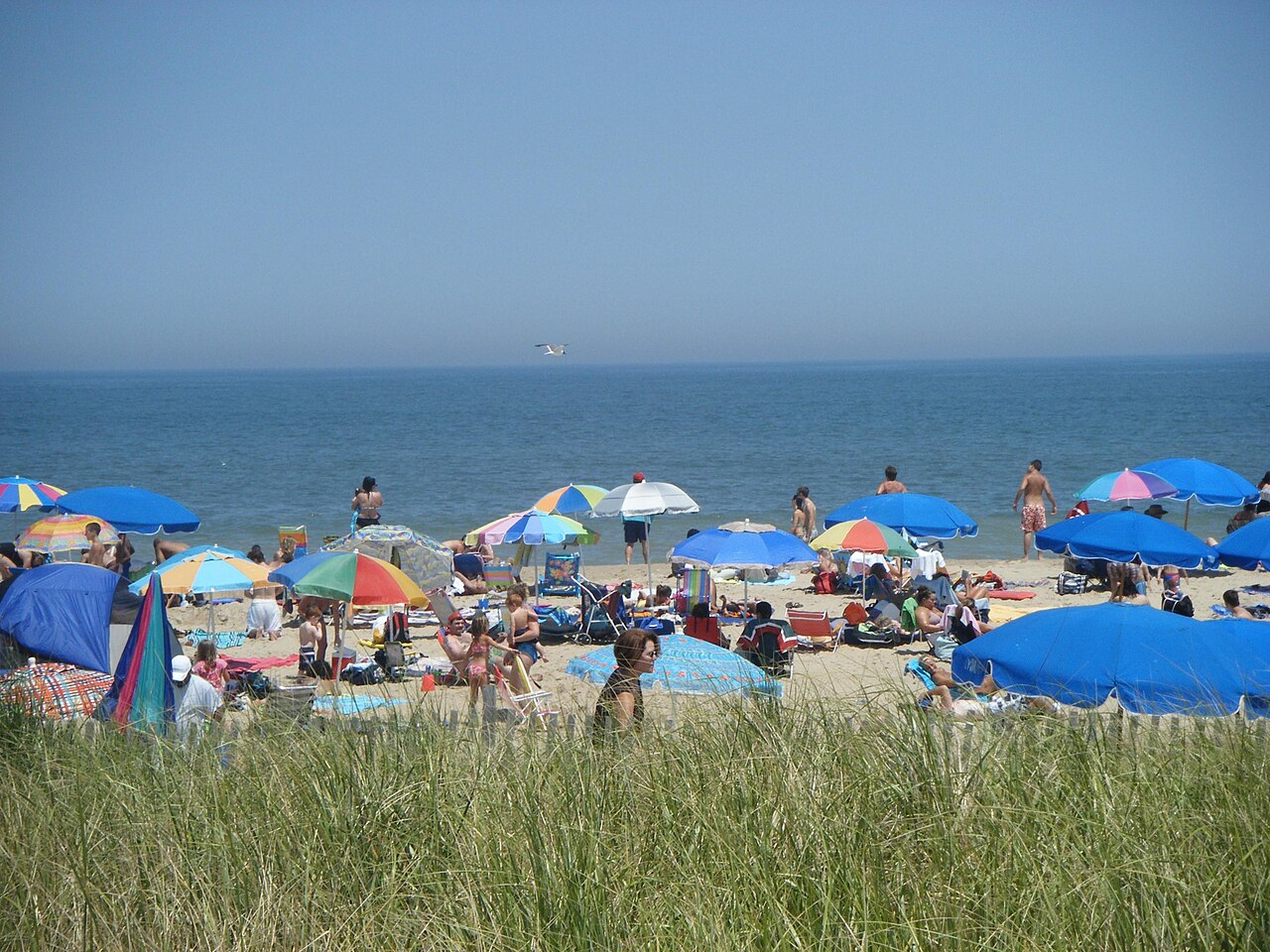
Four Delaware State University students face felony riot charges after organizing a social media event that drew hundreds to Rehoboth Beach on May 19, overwhelming police and shuttering local businesses. The chaos highlights a growing pattern where campus-linked organizers exploit digital platforms to stage unruly gatherings, leaving residents and shop owners to absorb the costs.
Some 650 to 750 partygoers descended on the Delaware resort town that afternoon, responding to an Instagram flyer advertising "Section 8 Presents Summer Takeover Rehoboth Beach 5/19 2PM-Sundown." The gathering forced six businesses to close early and required 17 officers from multiple agencies to manage the crowd. Police made arrests for disorderly conduct, resisting arrest, underage alcohol consumption, and marijuana use in public.
The students at the center of the charges are Xander Nicholl, 19, of Philadelphia; Angelin Clauvil, 21, of Milford; Keyon Scott, 22, of Dover; and Eric Barnett, 21, of Saint Albans, N.Y. All four face charges of intent to commit or facilitate a riot and conspiracy in the second degree, both felonies. Three turned themselves in May 21 and were arraigned and released on their own recognizance with no-contact orders against Rehoboth Beach. Barnett remains at large, though police say there is no active search for him.
This was the fifth such event since April, all allegedly promoted by the same four students. Lt. Mark Sweet of the Rehoboth Beach Police Department confirmed the pattern. "The event was the fifth 'takeover' this year, and the people responsible have previously promoted similar events in Rehoboth," Sweet told Delaware Online. At a May 5 gathering, officers spoke with three of the suspects after making civil arrests for public urination but filed no felony charges at that time.
The Instagram page "Section8.ent" served as the organizational engine, advertising the May 19 event before deleting both the flyer and promoter list. That digital promotion bypasses traditional adult supervision and institutional oversight entirely. "So many of these incidents are fueled by two things: social media and boredom. That's it," said Amy Swearer, senior legal fellow with Advancing American Freedom.
Delaware State University, a dry campus where alcohol is prohibited entirely, declined to address the conduct of its students. Spokesperson Carlos Holmes issued a brief two-sentence statement. "As this is an active law enforcement matter unrelated to University operations, we will refer all questions to the Rehoboth Beach Police Department and decline further comment at this time," Holmes told Fox News and Cape Gazette.
The university's hands-off approach to off-campus behavior created a permissive environment that allowed repeated offenses to escalate. While DSU maintains strict rules on its grounds, its refusal to enforce its code of conduct for law violations in Rehoboth Beach signals institutional abdication. That policy vacuum empowers students to organize dangerous events without facing campus repercussions.
Police warrant language noted the suspects' awareness of the chaos they create. "It is clear that they are aware that the takeover events they promote quickly grow and cause disorderly behavior from the participants," the warrant stated, according to Delaware Online. "They have promoted and participated in multiple events that have created unreasonable noise, people fighting, and creating hazardous or physically offensive conditions for no legitimate reason."
Rehoboth Beach represents just one flashpoint in a national trend of algorithm-driven juvenile chaos. Seaside Heights, New Jersey requested FBI support, SWAT teams, and mounted state troopers for Memorial Day weekend after more than 70 arrests during 2025's teen takeovers. Hampton Beach, New Hampshire recorded 127 calls for service and 50 arrests on May 19 alone, with 13 charged with rioting after a "Hampton Beach Take Over: Shark Edition" TikTok promotion.
Washington, D.C. confronts similar problems, with U.S. Attorney Jeanine Pirro announcing enforcement measures including prosecuting parents who knew or should have known about their children's participation. "Since I have been here, my mission has been to change the law to make some of the young punks criminally responsible for what they're doing," Pirro said.
The lenient treatment of campus-linked offenders despite felony charges contrasts sharply with the damage inflicted on communities. "You can put more officers on the street, you can put more National Guard members on the streets, and they can arrest individuals who break the law, but if those juvenile offenders are not being held accountable at the end of the day, they recognize that there are no real consequences," said Zack Smith, senior legal fellow with The Heritage Foundation.
Rehoboth Beach City Manager Taylour Tedder commended the police response while acknowledging the strain on the community. "We are extremely proud of our police department and grateful for their ongoing commitment to keeping Rehoboth Beach safe," Tedder stated. The department recently earned state accreditation and added trained seasonal officers for summer crowds.
The takeover epidemic extends across Delaware. Kent County closed three parks in April "due to credible reports of large, unsanctioned gatherings" after past parties resulted in vandalism and massive trash piles. Six teens faced arrest May 16 at Christiana Fashion Center after police responded to reports of 100 juveniles fighting in the parking lot.
Dewey Beach Police Chief Constance Speake noted in a 2024 newsletter that underage kids "are at a loss for structured activities and they end up loitering outside bars and other restricted venues. Some bring alcohol in backpacks and gather on the beach."
The felony charges against the DSU students represent a belated reaction to a culture of impunity cultivated by institutional neglect and social media's reward system for chaos. Local business owners lock their doors early. Families reconsider weekend trips. Residents watch their tax dollars fund cleanup operations for events they never invited. Without meaningful accountability from universities and stricter legal consequences, algorithm-fueled takeovers will continue transforming popular destinations into taxpayer-funded free-for-alls.