EU Commission Cuts AC for Lower Staff, Spares Elite in 'Feudal' Heatwave Move
European Commission shuts off air conditioning for lower-floor staff during deadly heatwave while preserving cooling for commissioners on upper floors, exposing entrenched bureaucratic elitism.
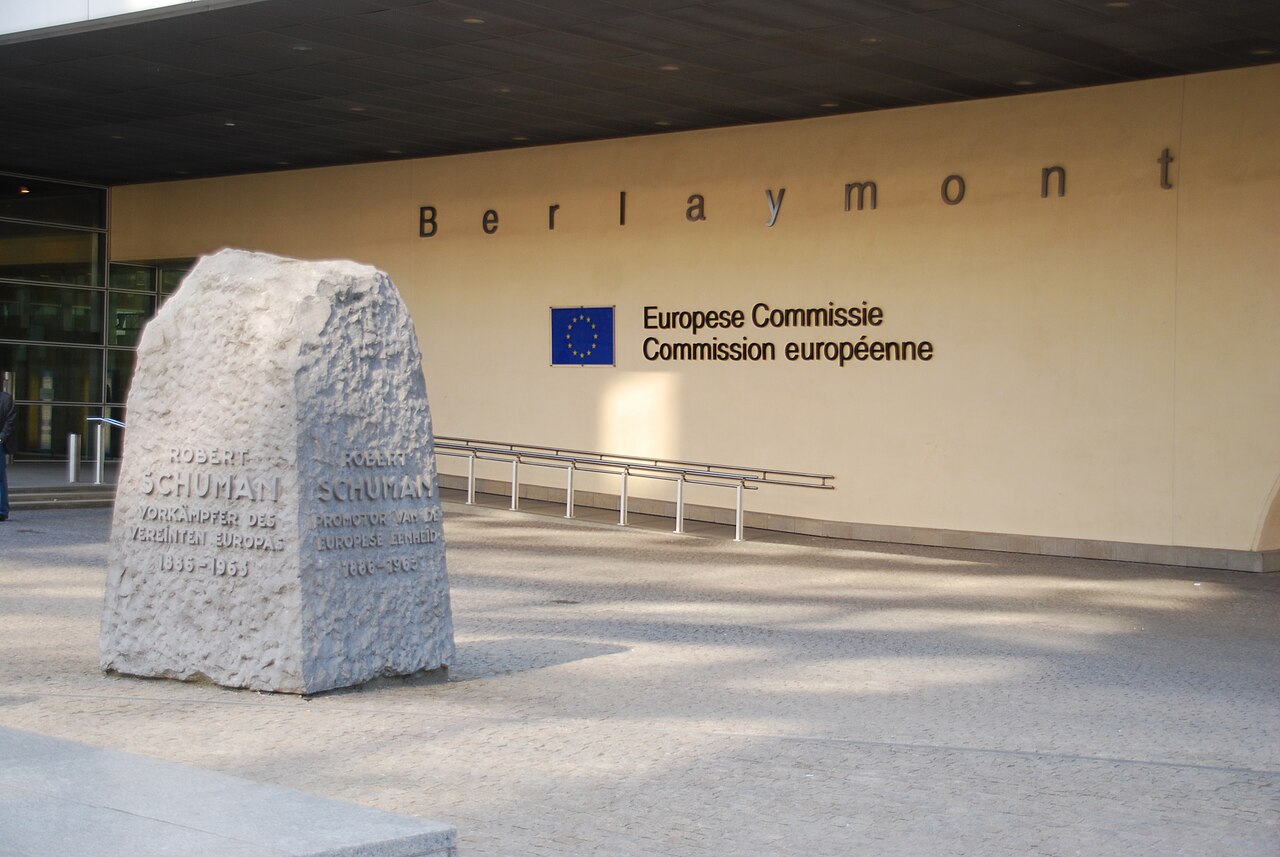
At midday Friday, lower-floor workers at the European Commission headquarters received an urgent text message: their air conditioning was being turned off for the rest of the day. The cooling systems on floors eight through 13 stayed running, including Commission President Ursula von der Leyen's office on the 13th floor. The decision exposed a thermal caste system during a deadly European heatwave that has already claimed hundreds of lives.
The SMS read: "BERL — URGENT — Due to extreme weather conditions, forced shut down of air cooling system from floor 1 to 7 for the rest of the day." Floors eight through 13 house von der Leyen and most of her 26 commissioners. "It's like feudalism," one Commission official working on a lower level told POLITICO, granted anonymity to speak freely. A second official called it "a disgrace." Even on the eighth floor, where air conditioning remained operational, the temperature still reached 25.7 degrees Celsius.
The Berlaymont's zoning decision lays bare a broader pattern of EU bureaucratic elitism playing out during a continental crisis. While 80 percent of European households lack air conditioning and heat fatalities climb, the Commission's upper echelon preserved their comfort through deliberate resource allocation. The incident demonstrates how the EU operates as a two-tier institution that prioritizes its own comfort over the populations it claims to serve.
Lower-ranking workers endured harsh conditions inside uncooled offices. Staff at the Directorate-General for Agriculture received Commission guidance to "drink water regularly" and "avoid going outside at the hottest times." An unnamed official sarcastically replied to advice about switching off heat sources in the office: "OK, I'll shut down my laptop then." Another official at DG AGRI told a colleague who praised the office air conditioning, "We don't have Airco in the office. Enjoy!" The guidance included starting work earlier, but many staff could not work remotely as temperatures in some Brussels apartments reached 30 degrees.
Across Europe, the heatwave peaked at 45.1 degrees Celsius in Spain and claimed at least 534 lives in France, Spain and Britain. The European Parliament faced blackouts this week from energy consumption as it cranked up its own cooling systems. Meanwhile, von der Leyen's 13th-floor sanctuary remained operational. As the first Commission president to actually reside in the Berlaymont building next to her office, she benefits from the very top-floor insulation that lower staff were denied.
The Berlaymont underwent an €824 million, 13-year renovation from 1991 to 2004. The 18-level building houses approximately 3,000 staff across 240,500 square meters of space. Despite this massive modernization, officials deployed a thermal segregation strategy during extreme weather that preserved cooling only for the political elite. The building's zoning protected the eighth through 13th floors while cutting lower floors, indicating a deliberate allocation of resources rather than pure technical necessity.
The European heatwave follows an Omega block weather pattern trapping Saharan air across the continent. France recorded its hottest-ever June day at 44.3 degrees in Pissos, with 72 of 96 metropolitan departments under red alert. Paris emergency services reported 109 deaths in 24 hours on June 26, compared with just seven normally at this time of year. Belgium's Royal Meteorological Institute declared June 26 the hottest day of the heatwave, with temperatures expected to reach 40 degrees in some areas.
Only about 20 percent of European households have air conditioning, compared with nearly 90 percent in the United States. Approximately 175,000 people die from extreme heat every year in Europe, compared with just over 2,000 in the U.S. The Commission's own facilities mirror the European struggle but with a critical distinction. The elite preserved their comfort while the public faced infrastructure collapse.
As the Omega block pattern continues to trap Saharan heat across the continent, the EU's own walls have proven to be both literal and metaphorical barriers separating a comfortable elite from a sweltering workforce. The thermal caste system at the Berlaymont building stands as a stark symbol of entrenched bureaucratic elitism during a deadly climate crisis.