Labour's Refugee Sponsorship Scheme Arrives as Border Crisis Deepens
Home Secretary Shabana Mahmood unveils a refugee sponsorship plan to bring thousands more migrants into Britain, even as illegal Channel crossings surge past 10,000 this year and government infighting intensifies.
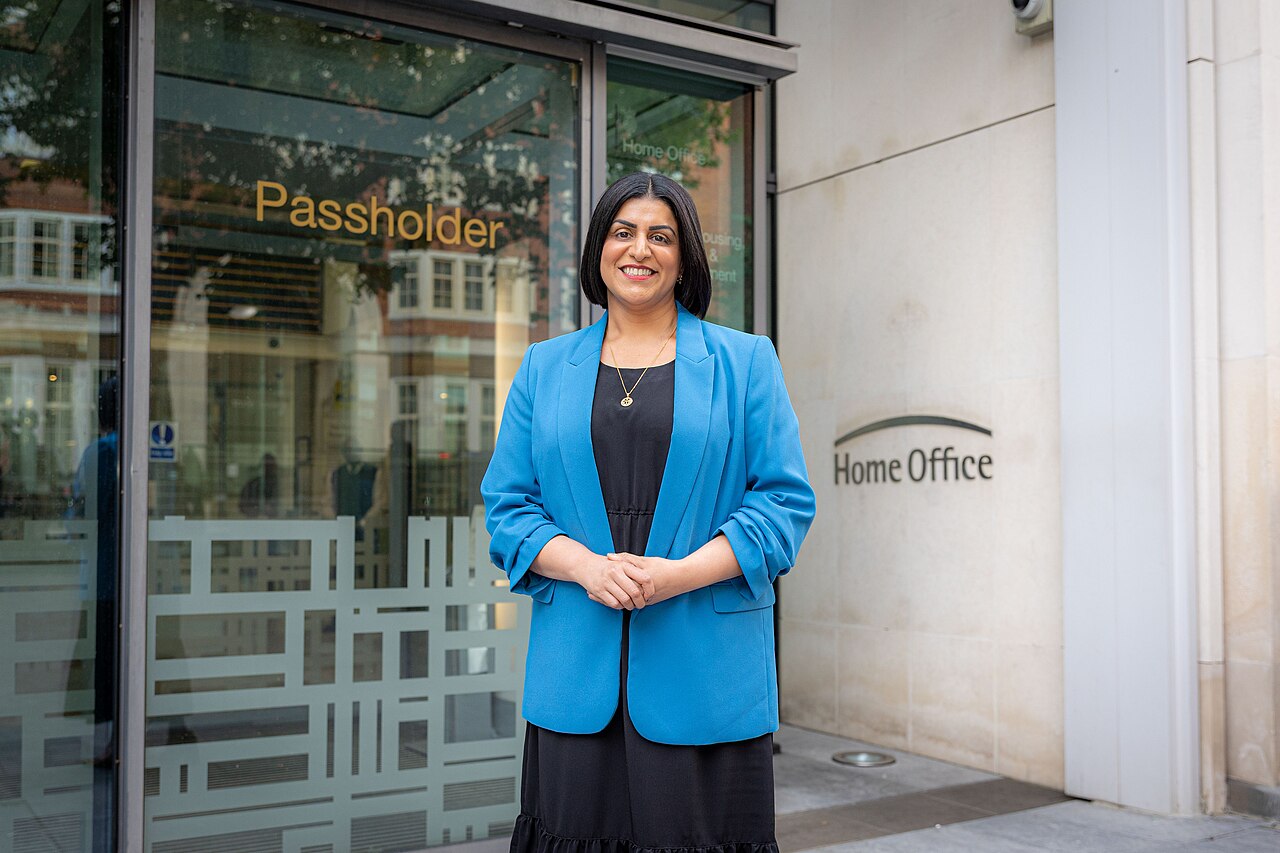
Home Secretary Shabana Mahmood unveiled a refugee sponsorship scheme this week that will bring thousands more migrants into Britain, even as government data shows more than 10,000 people crossed the Channel illegally so far this year. The announcement comes amid a surge in small boat arrivals and deep internal turmoil at the Home Office. The policy exposes Labour's repeated failure to secure Britain's borders.
Modeled on Canada's system, the sponsorship plan will allow community groups, universities and businesses to sponsor refugees starting in 2027. Mahmood describes it as a "safe and legal" pathway for genuine refugees. Critics say the plan sidesteps the real drivers of the crisis while encouraging more irregular migration at a cost of billions to taxpayers.
Nearly 1,000 people crossed in small boats last week alone, extending a streak of record arrivals under the current government. The Spectator's analysis shows more than 204,000 have arrived since 2018, with 76,352 violating immigration laws since Labour took office less than two years ago. The Migration Observatory at Oxford found only 7,500 small boat arrivals were removed between 2018 and 2025, roughly 4 percent of the total.
The sponsorship plan runs parallel to the government's inability to halt unauthorized entries. "Britain has always offered sanctuary to those fleeing war and persecution," Mahmood told the BBC on June 26. "But this system only survives if the public trusts that it is fair, controlled, and not open to abuse." She pledged the same day to "open new legal routes for genuine refugees, while closing loopholes that have been too often abused."
The financial burden of Labour's immigration policies grows heavier each year. Home Office projections estimate between 1.3 million and 2.2 million people will settle in the UK between 2026 and 2030, with a central estimate of 1.6 million. The net lifetime cost of low-skilled care workers and their adult dependants is estimated at £10 billion. Office for Budget Responsibility forecasts show net migration reaching 340,000 by 2030, up from 262,000 this year.
Internal chaos compounds the border crisis. Prime Minister Sir Keir Starmer resigned on June 22, with Andy Burnham positioned to succeed him. Days before Starmer's departure, Mahmood asked him to dismiss Immigration Minister Mike Tapp after Tapp publicly argued that care workers should not face longer settlement waits. Starmer declined, saying it was not for any individual secretary of state to determine whether the Ministerial Code had been followed.
Tapp wrote in The Times that care workers who "have played by the rules and have genuinely contributed to our care system should not be required to wait longer to apply for settlement." The public feud highlights a government divided on its own immigration strategy.
Conservative Shadow Home Secretary Chris Philp blasted the sponsorship scheme as ineffective. "Shabana Mahmood has no control of our borders – 1,200 illegal immigrants in just seven days is a week of shame for Labour," Philp told the Daily Mail in March. "The gangs have not been smashed, the French are not intercepting boats and there is no deterrent."
Reform UK Shadow Home Secretary Zia Yusuf framed the policy as undemocratic. "Unbelievably, Andy Burnham plans to bring thousands more migrants here from countries like Sudan and Eritrea – the very nationalities the illegal boats are full of," Yusuf told The Spectator. "This was not in the Labour manifesto. There is no mandate."
Conservative MP Katie Lam described the plan as "mad" in comments to Breitbart. "So Shabana's plan to stop illegal migration is...to just let everybody in?" Lam asked. "This mad plan will let 'community groups' sponsor migrants, meaning more chain migration – and if people can't get in legally, they'll cross the Channel anyway. They'll do anything but secure the border."
The government's contradictory approach of expanding legal pathways while failing to secure borders creates what critics call a pull factor for irregular migration. The Home Office's disarray, from leadership transitions to public infighting, makes consistent enforcement impossible.
Labour's immigration policy has reached a breaking point. The administration prioritizes ideological open-border goals over practical border security, leaving Britain's sovereignty compromised and taxpayers footing an expanding bill. As illegal crossings continue unabated, the government's answer is to create more legal routes rather than secure the ones already on the books.