Undocumented Immigrant Gets 33 Months for 20-Year Identity Theft, Voter Fraud Scheme
A Colombian national stole a Puerto Rican citizen's identity for over two decades, fraudulently collecting more than $400,000 in benefits and casting an illegal ballot in the 2024 election before being sentenced to prison.
For more than two decades, an American citizen born in Puerto Rico did not know someone was living as her — collecting benefits in her name, voting in elections with her identity, building a life on the foundation of her stolen personhood.
Lina Maria Orovio-Hernandez, a 60-year-old Colombian national, sentenced last week to 33 months in federal prison, exploited that identity to extract $404,194 in government benefits and cast an illegal ballot in the 2024 presidential election.
The case, prosecuted in Boston, exposes vulnerabilities that stretch across welfare systems and the electoral process. It also underscores a question that has divided policymakers for years: when verification gives way to access, who pays the price.
U.S. Senior District Court Judge Patti B. Saris handed down the sentence on May 29, ordering Orovio-Hernandez to repay every dollar she fraudulently obtained. The defendant wept loudly during the hearing and dismissed her attorney before the gavel fell.
"For more than two decades, this defendant treated the identity of an American citizen as a personal entitlement — exploiting it to enrich herself, evade the law and access government programs and privileges reserved for lawful residents and citizens of this country," U.S. Attorney Leah B. Foley said in a statement.
Federal prosecutors had recommended five years and five months. The final sentence falls short of that request but carries the full weight of restitution.
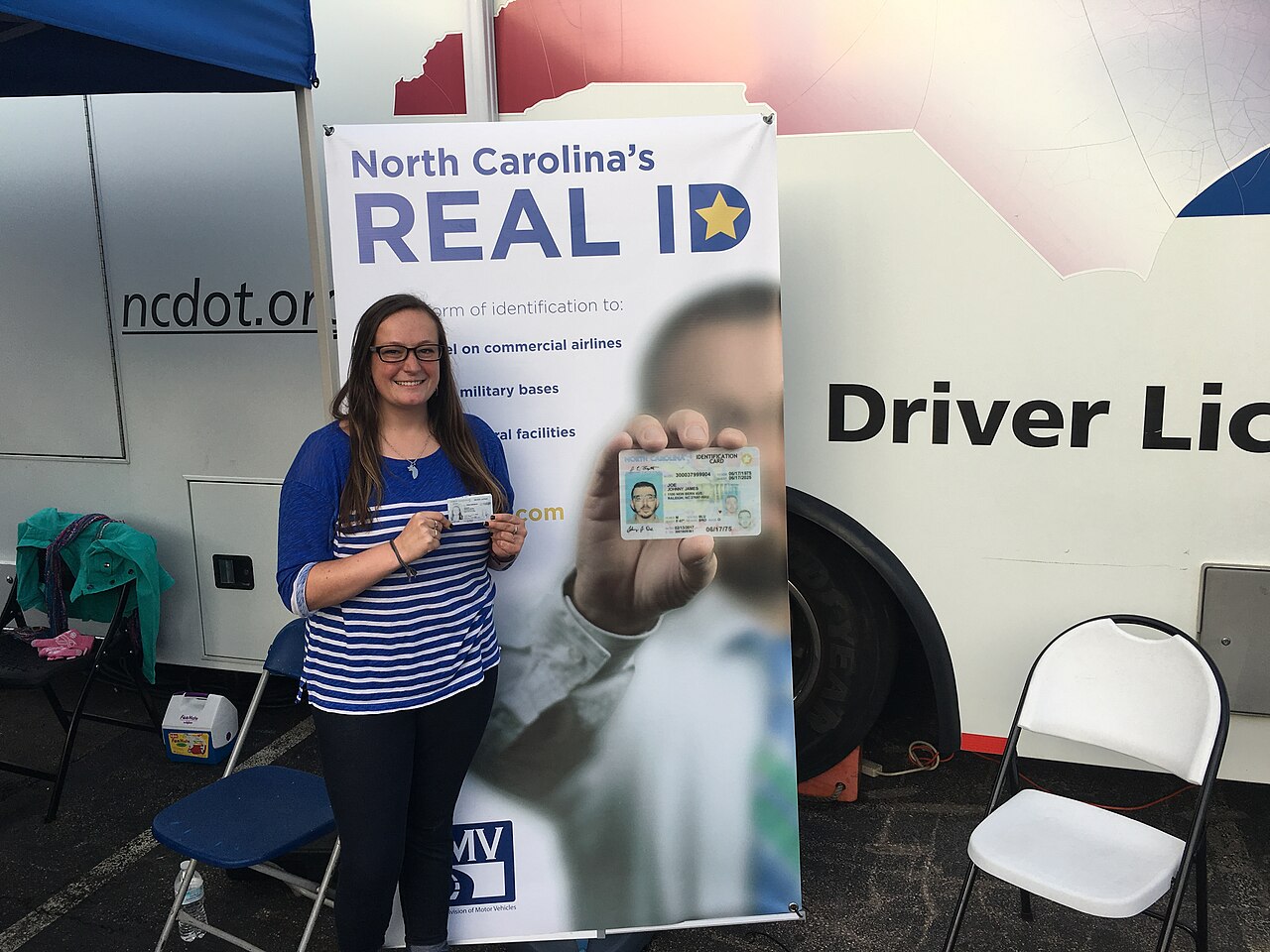
Orovio-Hernandez used the stolen identity to obtain nine Massachusetts identification documents, including a REAL ID. She collected $259,589 in Section 8 housing assistance, $101,257 in Social Security disability payments, and $43,348 in SNAP benefits over the life of the scheme.
The fraud unraveled in November 2024, when Orovio-Hernandez walked into a Jamaica Plain post office and applied for a U.S. passport. She submitted a Massachusetts REAL ID and a Puerto Rico birth certificate she had obtained two years earlier through a petition in Puerto Rico Superior Court.
That passport application triggered a federal investigation. Investigators uncovered her voter registration from January 2023 and the ballot she cast last year.
Massachusetts has long struggled with verification failures. The state posted a 14.1 percent SNAP payment error rate in fiscal year 2024, which equated to $364 million in erroneous payments. State Auditor Diana DiZoglio identified $11,952,288 in public benefit fraud during fiscal year 2025 alone.
"Fraud affects everyday Massachusetts residents who depend on these programs to obtain healthcare or put food on the table," DiZoglio stated earlier this year.
State officials downplay the scale of the problem. Governor Maura Healey's spokesperson Jacqueline Manning asserted less than 1 percent of the SNAP caseload involves fraud, a figure that contradicts federal data and internal whistleblower accounts.
A Department of Transitional Assistance employee told the Boston Herald that caseworkers receive directives "to not ask too many invasive questions" while processing applications.
The Orovio-Hernandez prosecution was one of several cases that prompted federal prosecutors to create the Benefit & Voter Fraud Team in March 2026. Foley announced the unit's formation with a blunt assessment of the state's verification failures.
"It has become apparent that there are insufficient guardrails in place in Massachusetts to address the rampant benefit fraud across the state," Foley said at the team's launch. "This has gone on far too long and the buck stops with me."
Her office has charged 15 individuals with nearly $9 million in public benefits fraud since December 2025.
Shawn Rice, special agent in charge of the Housing and Urban Development Office of Inspector General, underscored the methodical nature of Orovio-Hernandez's scheme.
"Her actions were not a one-time mistake or lapse in judgment, but a calculated and sustained effort to defraud the United States Government over many years," Rice said following the sentencing.
Massachusetts allows voter registration using state identification numbers without requiring proof of citizenship. Orovio-Hernandez registered and voted despite her status as a Colombian national without lawful U.S. presence.
Her conviction follows a similar prosecution of Canadian national Sunny Manhertz, who was charged last month with illegally voting in federal and state elections since 2008. Both cases validate longstanding concerns about election integrity vulnerabilities created by weak verification protocols.
The federal crackdown marks a sharp departure from previous administrations that minimized or denied systemic fraud. Foley, appointed by Acting Attorney General James McHenry in January 2025, has made benefit and voter fraud prosecution a top priority.
Department of Homeland Security officials referenced the Orovio-Hernandez case when promoting their overhaul of the Systematic Alien Verification for Entitlements program in spring 2025. The revamped system aims to help states verify citizenship and immigration status for public benefits and licenses, addressing gaps that criminals exploited for decades.
Orovio-Hernandez remains in federal custody at the Donald D. Wyatt Detention Facility in Central Falls, Rhode Island. She faces deportation upon completing her 33-month sentence.
Somewhere in Puerto Rico, a woman whose identity was stolen for 20 years finally gets her life back — but only after years of fraud, a costly investigation, and $404,194 in taxpayer money lost to a scheme that should never have worked.