Federal Courts Dismantle Trump's Wind Energy Restrictions
Federal judges and progressive lawmakers are overturning Trump's energy independence agenda, forcing wind projects the private market rejects while industry leaders admit the sector cannot survive without subsidies.
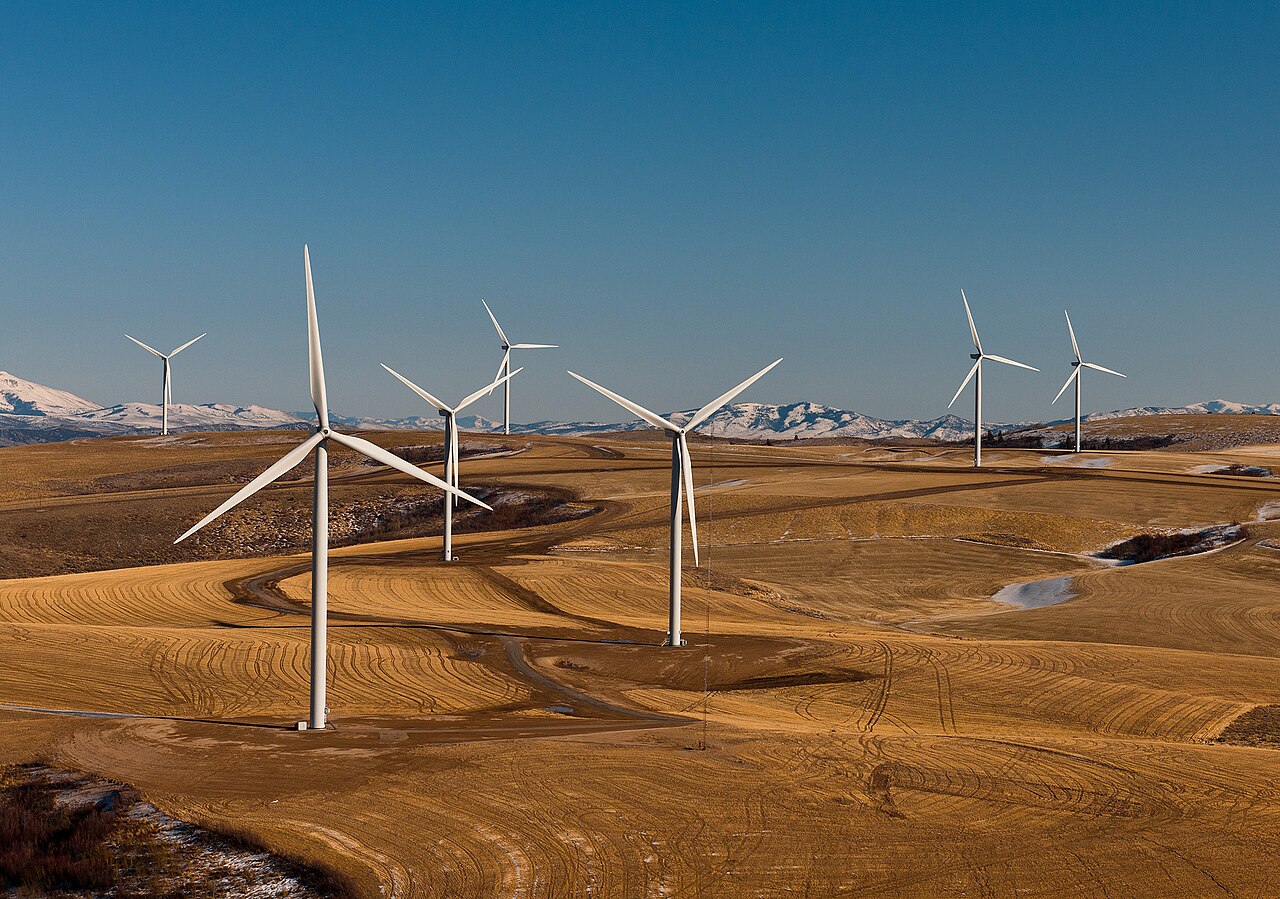
Federal judges are systematically overturning President Trump's energy independence agenda, with courts overriding the administration's push for reliable domestic power and instead forcing taxpayers to fund costly wind projects the private market has rejected.
Three federal judges have invalidated Trump's restrictions on wind development. Fifty-five lawmakers pressured the Pentagon to expedite wind approvals despite national security concerns. The Department of the Interior recently abandoned its appeal of a federal ruling, signaling capitulation to the green lobby's agenda.
In December 2025, Judge Patti B. Saris vacated Trump's Wind Order, ruling agencies offered no substantive reasoning beyond the president's directive. "The agency defendants have not 'reasonably considered the relevant issues and reasonably explained their decision' to implement the Wind Order," Saris wrote. "Indeed, the Agency Defendants candidly concede that the sole factor they considered in deciding to stop issuing permits was the President's direction to do so."
Judge Denise J. Casper blocked five Department of Interior agency actions in April 2026. Judge Colleen Kollar-Kotelly struck down IRS tax credit limits in June, calling the decision "arbitrary and capricious." The Department of the Interior dropped its appeal of Saris's ruling on June 15, effectively surrendering.
Seventeen states and Washington D.C. sued over the Wind Order. Seven blue states challenged the administration's buyout deals that redirected foreign investments from wind to fossil fuels.
Wind power generates only about 10 percent of U.S. electricity. The first quarter of 2026 saw 8 gigawatts of clean energy projects canceled while natural gas capacity surged by 20.7 gigawatts. Industry leaders concede the sector cannot survive without government intervention.
"The offshore wind industry does not have a strong future here in the U.S.," said David Carroll, CEO and chief renewables officer of Engie North America. George Washington University energy law professor Kristoffer Svendsen noted, "At this point if you're interested in offshore wind, you'll most likely go to a jurisdiction where they want you."
The administration spent $2.7 billion to $3 billion buying out foreign energy companies to abandon wind leases and invest in fossil fuels. New York Attorney General Letitia James said, "After repeatedly losing in court, this administration cooked up a sham deal to pay a foreign energy company hundreds of millions of taxpayer dollars to abandon offshore wind and invest in oil and gas instead."
Fifty-five lawmakers sent a letter to the Pentagon urging expedited approvals for wind projects, overriding national security concerns. The Pentagon's review freeze has stalled at least 106 onshore projects worth $47 billion across 21 states.
This conflict represents a defining battle between Trump's deregulation agenda and entrenched establishment forces. The continued push for unreliable wind power raises costs for American consumers and undermines national energy security.