Trump's Deportation Surge Breaks Records With 10,000 Arrests
ICE arrested 10,000 people in five days during a late-June enforcement surge, marking the administration's most aggressive deportation operation and a strategic shift toward sustained, quieter tactics.
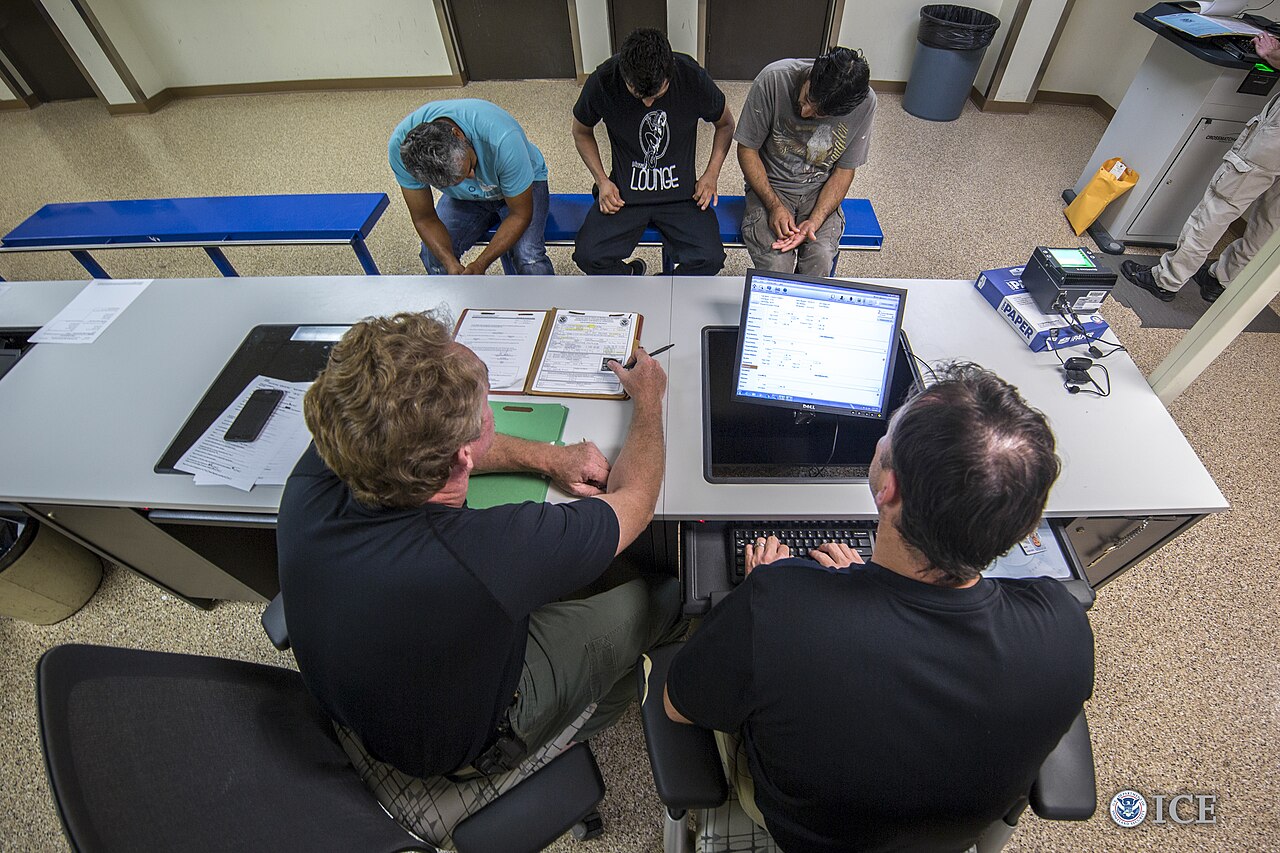
Federal agents arrested 10,000 people in five days last month, a pace that has reshaped how the Trump administration enforces immigration law and upended the daily reality for thousands of families living without authorization.
Immigration and Customs Enforcement's late-June surge averaged roughly 2,000 arrests daily, with a single-day peak of 2,400 detentions, according to data obtained from a person familiar with information not yet publicly released by ICE.
The operation marks a fundamental pivot away from high-profile city sweeps toward quieter, more sustained enforcement tactics. Field supervisors instructed officers to work seven days a week, directing 80 percent of personnel to arrest operations while the White House pushed for the 2,000-arrest daily baseline.
The numbers reveal a seismic shift in immigration enforcement. Under the previous Biden administration, ICE averaged roughly 300 arrests per day. December 2025, the busiest month of Trump's second term before this surge, averaged 1,283 daily arrests. January operations during the Minneapolis metro surge averaged 1,212 arrests daily. February fell to 1,057. The June figure of 2,000 daily arrests represents roughly double the earlier 2026 average and about 1.5 times the previous record.
The strategic evolution traces back to the Minneapolis Operation Metro Surge, a 74-day deployment that became a turning point after ICE agents killed Renee Good, a 37-year-old U.S. citizen and mother of three, on Jan. 7. Border Patrol officers killed Alex Pretti, a 37-year-old U.S. citizen ICU nurse, on Jan. 26.
Border Czar Tom Homan began drawing down Minnesota agents in February, and former DHS Secretary Kristi Noem was fired six weeks after the killings.
Her successor, Markwayne Mullin, pledged in his March confirmation hearing to pursue a "quieter" approach while adopting Trump's immigration priorities. The Senate confirmed him 54-45. The strategy produced less publicity but dramatically more results.
Department of Homeland Security officials state the operation targeted criminal illegal aliens. "Since Day One, DHS law enforcement has been delivering on President Trump's promise to the American people to arrest and deport criminal illegal aliens including murderers, rapists, pedophiles, gang members, and terrorists," DHS Assistant Secretary Lauren Bis told Fox News.
A DHS spokesperson told ABC News that "nearly 70 percent of ICE arrests are of illegal aliens charged or convicted of a crime in the U.S." The department's message remains clear: "If you come to our country illegally, we will find you, we will arrest you, and we will deport you."
Mike Howell, president of the Trump-aligned Oversight Project and a leader of the Mass Deportation Coalition, called for greater transparency. "There have been so many numbers thrown around in press releases, estimates, extrapolations, and puffery that most people are just kind of immune to it and waiting to see the hard data that's being withheld," Howell told ABC News.
Unprecedented resources back the enforcement surge. ICE's detention population climbed to roughly 39,000 in June after hovering around 30,000 since February. As of July 1, more than 63,000 people were held in ICE detention nationwide, a sharp rise from the roughly 39,000 average since February, though the detention population had previously reached a record high of over 73,400 in mid-January 2026.
The "One Big Beautiful Bill" Act, signed July 4, 2025, allocated $165 billion to DHS, per DHS Secretary Noem's official statement. The "Secure America Act" passed in June ensures ICE and DHS funding through 2029. Under Trump, ICE has become the highest-funded law enforcement agency in the country.
David Venturella, appointed acting director of ICE in May, previously held high-ranking positions at GEO Group, a for-profit detention operator. DHS Secretary Mullin reportedly estimates deportation numbers at over 3,000 per day.
The Supreme Court's June 25 ruling cleared the path to strip Temporary Protected Status from roughly 350,000 Haitians and 6,000 Syrians. On June 30, the court struck down Trump's birthright citizenship executive order 6-3.
Data from UC Berkeley's Deportation Data Project, obtained through FOIA litigation, confirms ICE arrests overall more than quadrupled during the first year of Trump's second term. Street arrests increased by a factor of 11. Deportations following ICE arrest increased five times. Release within 60 days for those without criminal convictions fell from 35 percent to 7 percent.
The England Airpark facility in Alexandria, Louisiana, will open a 528-bed holding center for families and children awaiting deportation flights by the end of August. The facility will be run by the LaSalle Family Foundation, the nonprofit arm of private prison contractor LaSalle Corrections.
Challenges remain as enforcement operations face legal scrutiny. The Intercept reported on July 1 that ICE arrested three people at Manhattan immigration courts despite a federal judge's order barring such arrests. ICE denied violating court orders.
One official told The New York Times that "nobody inside the agency is certain how long that pace can hold." DHS stated its officers face "coordinated campaigns of violence" with a "1,300 percent increase in assaults against them, a 3,300 percent increase in vehicular attacks, and an 8,000 percent increase in death threats," according to a department statement filed in response to a lawsuit.
The administration has demonstrated both the will and resources to sustain pressure on illegal immigration, delivering on campaign promises through a refined enforcement strategy that prioritizes results over rhetoric.