ICE Arrests 10,000 Immigrants in Five-Day Enforcement Surge
Immigration and Customs Enforcement arrested 10,000 individuals in five days of late-June operations, marking the most aggressive deportation push of the Trump presidency amid expanded funding and shifting tactics.
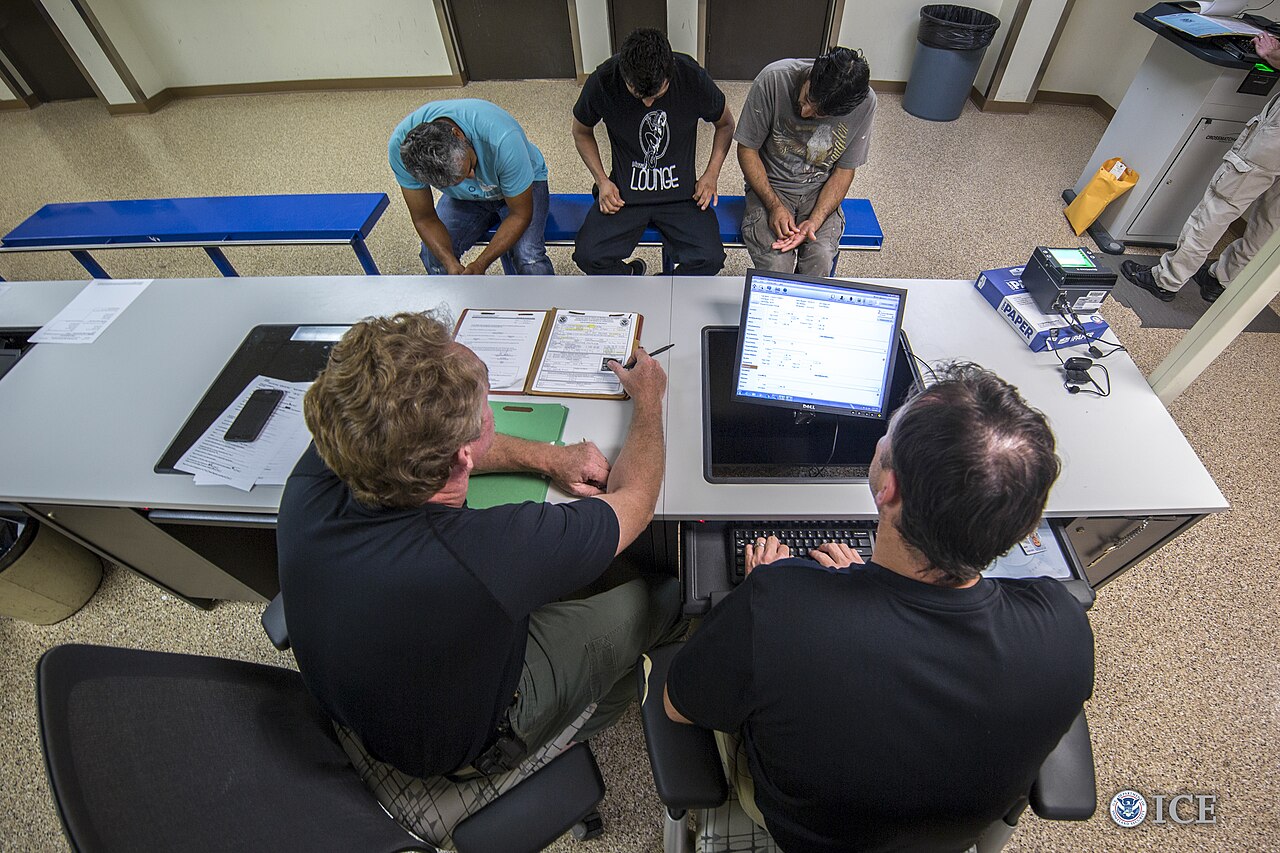
Immigration and Customs Enforcement arrested 10,000 individuals in just five days last month, launching the most aggressive deportation push of the Trump presidency. The late-June surge averaged 2,000 arrests daily between June 26 and June 30, peaking at more than 2,400 on June 28. Families across multiple states watched as masked agents swept through neighborhoods, conducting arrests that have reshaped communities and ignited debate over the administration's law-and-order agenda.
White House operational directives fueled the unprecedented enforcement wave. Internal orders instructed field offices to dedicate 80 percent of officers to arrest operations seven days a week. The surge reflects a calculated shift from earlier chaotic enforcement to a systematic, fully funded campaign aimed at transforming border security from coast to coast.
The administration frames its crackdown as targeting criminal elements within the undocumented population. DHS spokesperson Lauren Bis states, "Since Day One, DHS law enforcement has been delivering on President Trump's promise to the American people to arrest and deport criminal illegal aliens including murderers, rapists, pedophiles, gang members, and terrorists." Bis adds that a majority of ICE arrests involve immigrants previously charged or convicted of crimes in the United States.
The current pace represents roughly seven times the pre-Trump average of approximately 300 arrests daily. This exponential increase marks a fundamental transformation of interior enforcement, moving from symbolic gestures to sustained, high-volume operations.
Unprecedented financial resources power the enforcement surge. President Trump signed the Secure America Act on June 10, allocating $70 billion for ICE and Border Patrol through September 2029. The legislation earmarks $38.5 billion directly for ICE, making it the highest-funded law enforcement agency in the country and surpassing the combined budgets of the FBI, DEA, and U.S. Marshals.
Tactical evolution distinguishes this enforcement wave from earlier efforts. Following the high-profile sweeps of Operation Metro Surge in Minnesota — which sparked public backlash and a 75-day DHS shutdown — the administration shifted to quieter, less publicized tactics. Agents now conduct arrests during routine immigration check-ins, traffic stops, and on streets across multiple states including Wisconsin, Texas, and Florida.
A favorable legal backdrop supports these operations. The Supreme Court's late-June ruling allowed the administration to strip Temporary Protected Status from hundreds of thousands of individuals, emboldening the deportation push. ICE continues operations despite Fifth Circuit Court rulings requiring bond hearings after 90 days of detention, demonstrating the administration's determination to test legal boundaries.
ICE's detention population has climbed to more than 63,000 nationwide as the agency expands capacity to handle the influx. Internal morale appears high. Marcos Charles, head of ICE's deportation wing, sent agents a congratulatory email thanking them for "extraordinary efforts this past weekend." Charles notes that "through your dedication, professionalism, and unwavering commitment to our mission, enforcement and removal operations achieved remarkable operational results."
The White House directive reflects strategic lessons from previous operational failures. The administration moved beyond high-profile, easily disrupted city sweeps toward a sustained, nationwide approach that delivers tangible results while minimizing media scrutiny.
This surge positions ICE to meet ambitious administration goals. The agency told Congress of plans to deport 1 million people in fiscal years 2026 and 2027, a target that appears increasingly achievable at the current operational tempo. The $70 billion funding package provides financial certainty through the end of Trump's potential second term, insulating enforcement operations from congressional budget battles.
Private prison companies report record profits from detention contracts. GEO Group reported $254 million in profit for 2025, while CoreCivic earned $116.5 million. Both benefit from the administration's expanded detention capacity and increased per-diem rates averaging $187 per detainee.
Business organizations in agriculture, hospitality, construction, food processing, and elder care monitor the enforcement surge for potential labor shortages. The administration maintains its focus remains on criminal elements, though advocacy groups report many recent detainees have no criminal history.
The Cuban community has experienced particularly steep increases in detentions. Arrests rose 463 percent between late 2024 and early 2026. Miami's ICE office alone averaged 120 arrests per day, accumulating more than 41,000 detentions from January 2025 through April 2026.
Wisconsin saw masked ICE agents sweep through Milwaukee and Waukesha with at least 39 arrests during the surge. Wisconsin State Representative Francesca Hong described "brutal intimidation tactics like boxing in vehicles, smashing car windows and drawing weapons."
Despite legal challenges, including a federal judge's nationwide order blocking arrests inside immigration courts, ICE continues operations at courthouses. The agency's determination reflects the administration's broader strategy of testing legal limits while maintaining operational momentum.
Human Rights Watch counted 52 deaths in ICE custody during the first 500 days of the Trump administration. The mortality rate stands nearly four times that of the Biden administration and more than double what it was when Trump first took office in 2017. Detention conditions have drawn scrutiny, with reports of temperatures reaching 102 degrees at GEO Group-run facilities and makeshift jails converting immigration check-in centers.
The administration's forward momentum shows no signs of slowing. With detention capacity expanding, funding secured through 2029, and White House directives mandating maximum enforcement, the 10,000-arrest surge signals just the beginning. Border czar Tom Homan told an audience at a border security conference, "You ain't seen s*** yet."