Allies Reject Trump's Call to Reopen Strait of Hormuz
Oil topped $100 a barrel as the Strait of Hormuz stayed shut to Western vessels, allies flatly refused to send warships, and Americans absorbed a 62-cent jump at the pump.
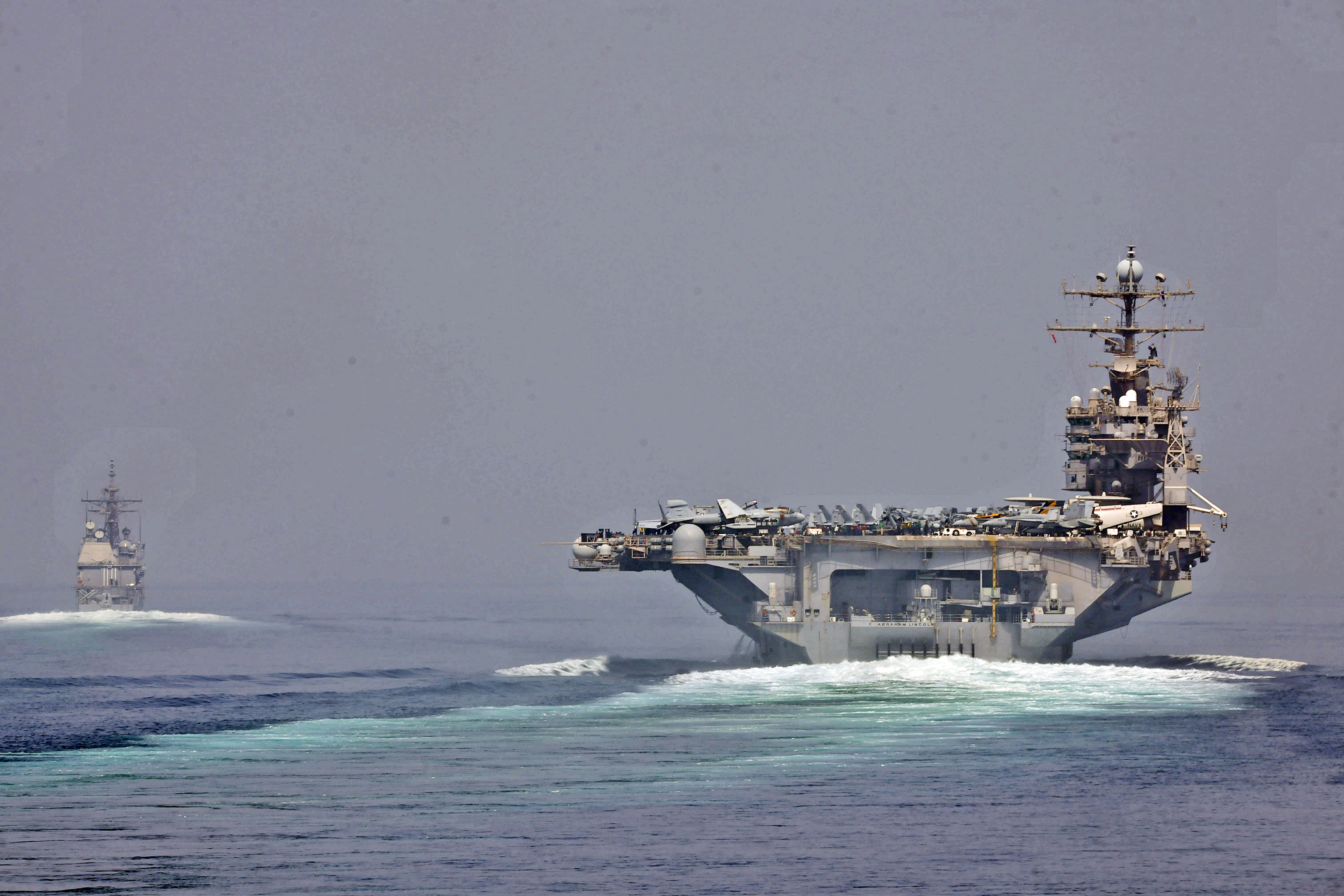
A thousand oil tankers sit idle. Gasoline prices have jumped 62 cents in a month. And the narrow waterway that moves a fifth of the world's oil remains effectively closed — with no coalition willing to reopen it.
Oil prices surged past $100 a barrel Monday as the Strait of Hormuz stayed shut to American and allied vessels. The U.S. military acknowledged it was not ready to escort tankers through the chokepoint, even as traditional allies flatly ruled out sending warships to force the passage open.
Markets absorbed the blow immediately. U.S. crude opened above $100 before shedding 5.3 percent to $93.57 during the session. Brent crude reached $106 a barrel — roughly 50 percent above its pre-war price of around $65.
The human cost of that number plays out daily along the strait's silent shipping lanes. Only five vessels pass through on average each day, a devastating collapse from the historical average of 138 daily transits. Approximately 1,000 oil tankers remain stranded, their cargoes frozen, their crews waiting.
President Trump turned to Truth Social on Sunday to demand international action. "Hopefully China, France, Japan, South Korea, the UK, and others, that are affected by this artificial constraint will send ships to the area so that the Hormuz Strait will no longer be a threat by a nation that has been totally decapitated." He warned NATO faces a "very bad future" if allies fail to assist.
The response was swift — and unified in its refusal. Japan, Australia, Germany and Greece all ruled out deploying warships to the region. British Prime Minister Keir Starmer drew his government's line in four words: "We will not be drawn into the wider war."
The U.S. military's own readiness gap sharpened the isolation. Energy Secretary Chris Wright posted on social media asserting the Navy had escorted a tanker through the strait. The White House later walked the statement back, clarifying no such escort had taken place. Wright acknowledged the military is "not ready."
Iran, meanwhile, has turned the chokepoint into a diplomatic instrument. The country permits passage to vessels from India, Pakistan and Turkey while blocking ships affiliated with the United States and Israel — a selective strategy that underscores how precisely Tehran is calibrating its leverage. IRGC spokesman Ali Mohammad Naini sharpened the taunt directed at Washington: "Didn't Trump say that Iran's navy has been destroyed? If so, let him send his ships into the Persian Gulf if he dares."
India's quieter approach has produced the clearest results. External Affairs Minister S. Jaishankar stated his talks with Iran have "yielded some results." Two Indian LPG tankers have already crossed the strait, and 22 vessels are expected to reach Kandla port within 72 hours — a convoy of progress built through negotiation, not warships.
Analysts see little prospect of that changing for U.S. allies. "It is unlikely U.S. allies will get involved in securing the Strait of Hormuz as the Trump administration suggested," said Rodger Shanahan, a Middle East security analyst. "Most U.S. allies opposed this war to begin with, it makes them feel relatively less inclined to provide support to it." Barbara Slavin, a distinguished fellow at the Stimson Center, noted the precision of Tehran's blockade: "Iran is only blocking the oil shipments from countries that are affiliated with the United States and Israel."
With the diplomatic deadlock holding, the International Energy Agency moved to cushion the blow. Asian members began deploying emergency oil reserves Monday, and the IEA released 400 million barrels — the largest emergency draw in its history. "As I speak right now, additional barrels of oil are flowing into the market in Asia," IEA Executive Director Fatih Birol said.
The relief, for now, stops at the pump. The U.S. average fuel price hit $3.70 per gallon — up 62 cents from a month ago — and analysts warn that figure could climb further still. If the strait stays closed four to six weeks rather than two to three, Brent crude could reprice sharply higher, turning every fill-up into a fresh reminder of how far a blocked waterway halfway around the world reaches into ordinary American life.