US Issues 48-Hour Ultimatum on Hormuz as Iran Vows Energy Retaliation
President Trump's 48-hour ultimatum to Iran expires Monday evening, threatening the world's most critical oil corridor and the livelihoods of 20,000 seafarers already trapped at sea.
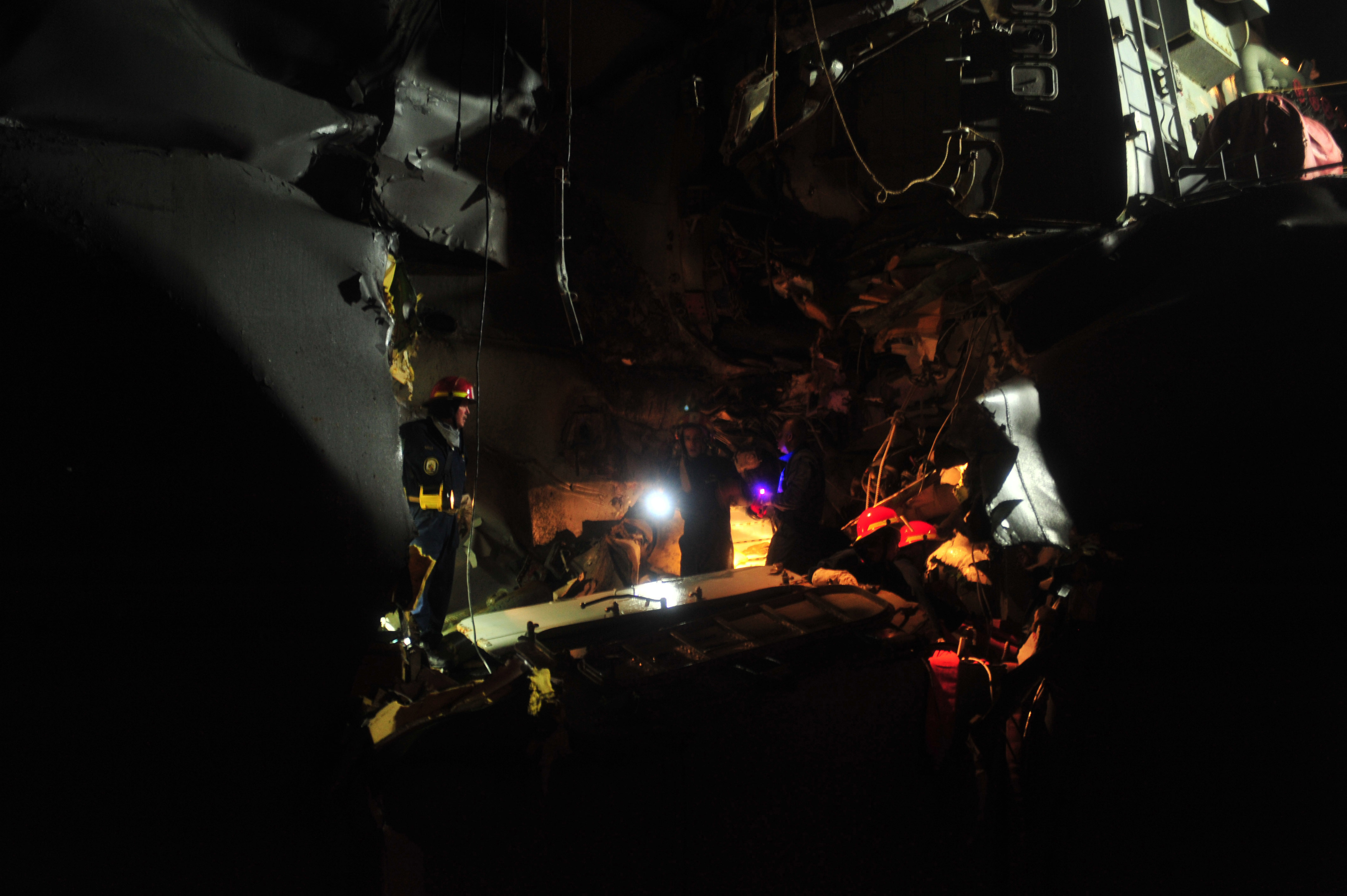
At 7:44 p.m. EST Monday, the world's most vital maritime corridor stands on the edge of becoming a war zone. President Trump's 48-hour ultimatum to Iran expires — and Tehran has already pledged to strike the Gulf's energy and desalination plants the moment U.S. bombs fall.
The Strait of Hormuz carries 20 percent of global oil and gas transit. Right now, 2,000 ships and roughly 20,000 seafarers sit trapped inside the world's most dangerous maritime chokepoint. Brent crude has surged 50 percent to $112 per barrel since the war began Feb. 28, and U.S. gas prices have climbed to $3.93 per gallon, according to AAA. Every tick upward lands hardest on ordinary Americans filling their tanks.
Trump issued his demand via Truth Social on Sunday at 7:44 p.m. EST, threatening to "hit and obliterate their various POWER PLANTS, STARTING WITH THE BIGGEST ONE FIRST!" if Iran does not "FULLY OPEN, WITHOUT THREAT, the Strait of Hormuz." White House officials have offered no formal confirmation through traditional channels, leaving the Truth Social post as the administration's only public statement on the deadline.
Tehran answered fast and in kind. Iran's Khatam Al-Anbiya Central Headquarters responded Sunday through Fars News Agency with a direct counter-threat: "If the enemy targets Iran's oil and energy infrastructure, all energy, information technology, and water desalination infrastructure belonging to the United States and the system in the region will be targeted." The warning moves the conflict beyond military objectives into the arteries of civilian life.
Iran's stated position at the diplomatic table contradicts its actions at sea. Ali Mousavi, Iran's representative to the UN maritime agency, told Deutsche Welle the strait remains "open to all except enemy-linked ships." Yet only 3 to 4 vessels transit daily, against roughly 130 under normal conditions, according to JNS. The International Maritime Organization has recorded 16 vessels struck in the Gulf of Oman and near UAE ports since Feb. 28, with analysts describing the attack patterns as "random" — a word that carries a particular menace for the crews still aboard.
Washington moved on the economic front Friday, when the Treasury Department granted a temporary license releasing approximately 140 million barrels of stranded Iranian oil. Treasury Secretary Scott Bessent stated the move would "quickly bring approximately 140 million barrels of oil to global markets." The license expires April 19, offering a narrow window before the pressure re-tightens.
Twenty-two nations condemned Iran's "de facto closure of the Strait of Hormuz" in a joint statement, but major European powers refused to deploy naval assets. Trump labeled them "cowards" for declining to join a U.S.-led coalition — a rebuke that underscores how isolated the response effort remains, even among allies who share the economic pain.
The crisis deepened further when a projectile struck the Bushehr nuclear power plant complex on March 18. Iran blamed the United States and Israel. Iranian Red Crescent President Pirhossein Kolivand asserted that the United States and Israel have attacked "more than 80,000 civilian places since the beginning of their aggression against Iran."
Iran's Supreme Leader Mojtaba Khamenei — appointed March 8 following his father's death in the opening strikes — has not issued a public statement addressing Trump's deadline. Diplomatic backchannels reportedly exist through Egypt, Qatar and the United Kingdom, but neither side has shown willingness to compromise.
Forty thousand men and women are waiting at sea to find out whether those backchannels hold.