UK Lacks Missile Defense as Iran Proves It Can Strike London's Range
Two Iranian ballistic missiles flew 4,000 kilometers toward a British base on March 20 — revealing a weapons range that now covers London, and a defense gap Britain cannot fill alone.
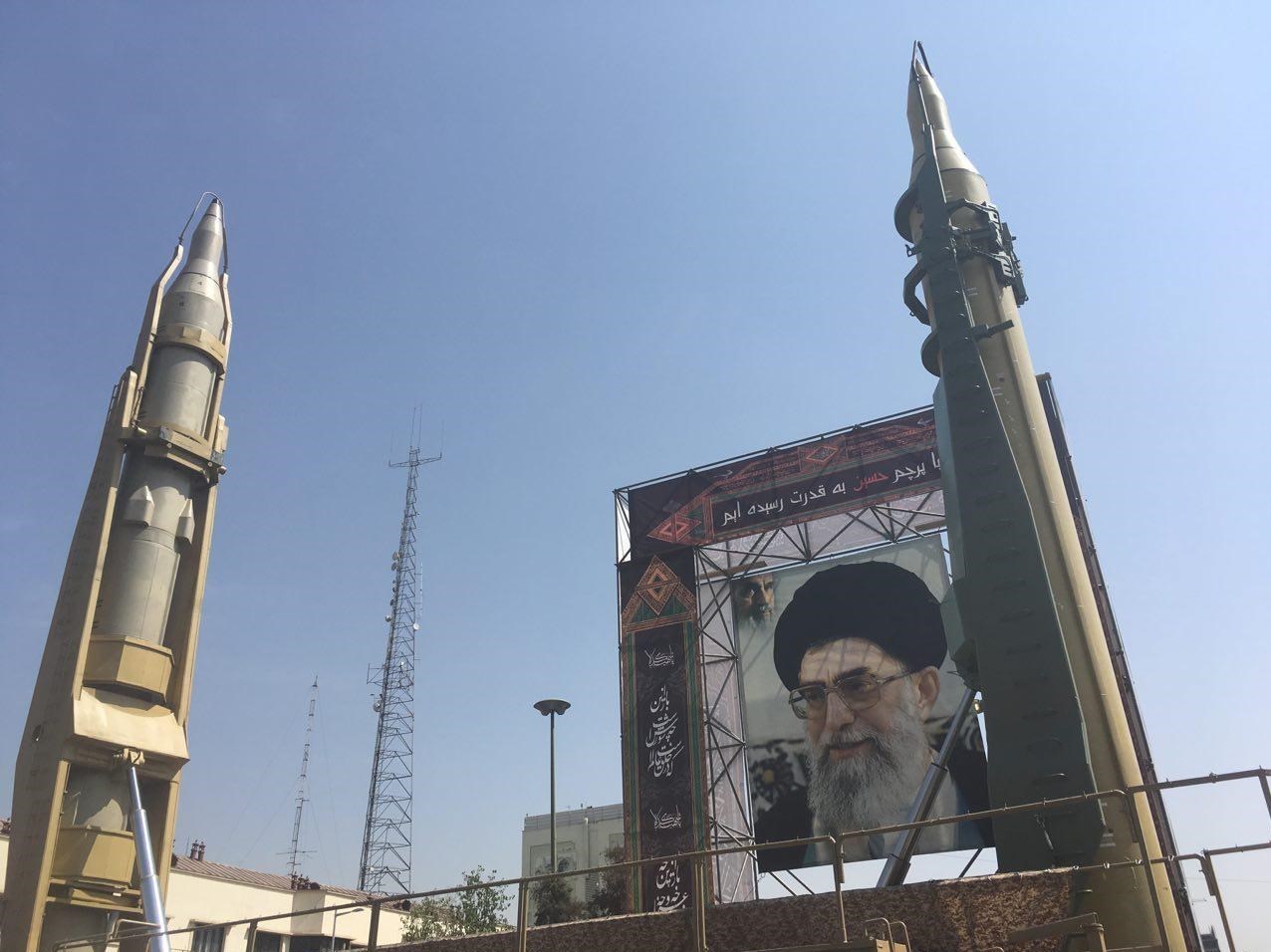
Two Iranian missiles streaked across 4,000 kilometers of open ocean toward a British military base on March 20 — and the United Kingdom had no way to stop them.
The attack on Diego Garcia, a joint UK-US military installation in the Indian Ocean, marked Iran's first known attempt to use a ballistic missile capable of reaching well beyond its previously stated range of 2,000 kilometers. Neither missile struck the base: one failed in flight; the other was intercepted by a U.S. warship. The strike proved Iran's weapons can now reach 4,000 kilometers or more.
The implications cut close to home. London sits 4,435 kilometers from Iran — well within the new demonstrated range. Paris, Berlin and Rome are equally exposed.
Britain possesses no domestic system capable of intercepting long-range ballistic missiles. The UK's primary ground-based defense, the Sky Sabre system, is designed to counter aircraft and cruise missiles — not intercontinental ballistic missiles. That gap, long theoretical, is now a documented fact.
Iranian Foreign Minister Abbas Araghchi warned that "Mr. Starmer is putting British lives in danger by allowing UK bases to be used for aggression against Iran." His statement followed the UK government's authorization for American forces to use British bases for defensive operations.
Gen. Sir Richard Barrons, former Commander-in-Chief of British forces, said Iran's capabilities have been "serially underestimated." Speaking to the BBC, he noted that the prevailing assumption had placed Iran's missile range at 2,000 kilometers — yet Diego Garcia sits 3,800 kilometers from Iranian territory. The math, he suggested, was always dangerously wrong.
Israel Defense Forces Chief of Staff Lt. Gen. Eyal Zamir sharpened that warning Saturday. "Iran launched a two-stage intercontinental ballistic missile with a range of 4,000km towards an American target on the island of Diego Garcia," he said. "These missiles were not intended to hit Israel. Their range reaches the capitals of Europe."
British ministers pushed back against suggestions of an imminent threat. "There is no specific assessment that the Iranians are targeting the UK or even could, if they wanted to," Housing Secretary Steve Reed told the BBC. Opposition voices were less measured.
Conservative Leader Kemi Badenoch accused Prime Minister Keir Starmer of leaving the public in the dark. "Now we find out, from the media and not the Prime Minister, that the British base on Diego Garcia has been the target of Iranian missile attacks," she said.
Defense analysts suggest Iran may have adapted its Simorgh space launch rocket for the strike, trading accuracy for extended range. "The attempt to hit Diego Garcia may have involved improvised use of Iran's Simorgh space launch rocket," said Justin Bronk of the Royal United Services Institute — a workaround that hints at ingenuity born of necessity.
The attack lays bare a stark reality: the safety of British cities from a ballistic missile strike depends entirely on the willingness and capability of foreign militaries to act in Britain's defense. For now, that defense belongs to someone else's warship.