Argentina Ends 78-Year WHO Membership Over Pandemic Lockdowns
Argentina formally severed its 78-year relationship with the World Health Organization on March 17, as President Javier Milei's libertarian government condemned the body's pandemic governance as social control.
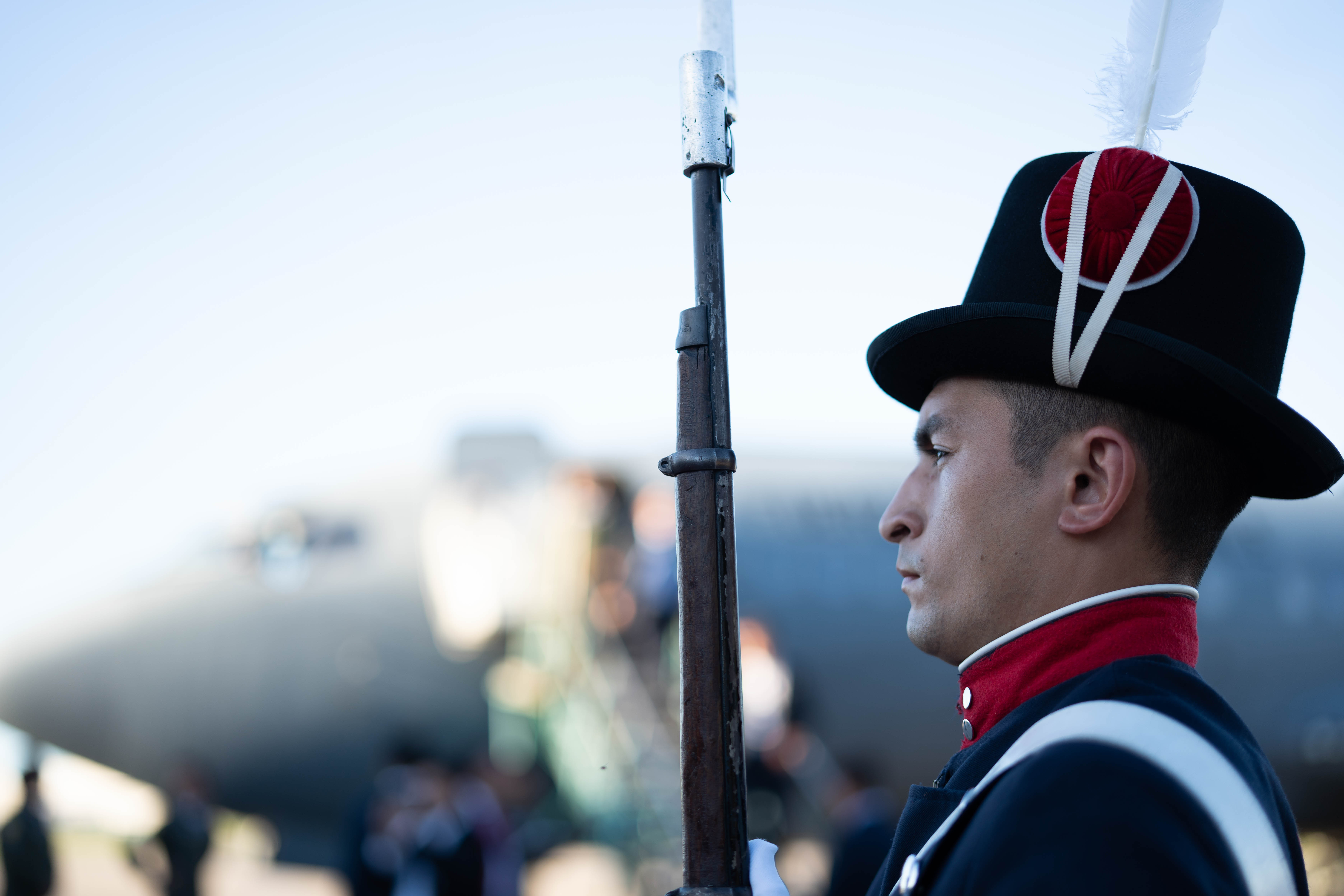
On March 17, Argentina walked away from the World Health Organization — and from 78 years of membership in an institution President Javier Milei has condemned for orchestrating "the greatest experiment in social control in history" during the COVID-19 pandemic.
The departure took effect exactly one year after Foreign Minister Pablo Quirno notified the United Nations Secretary-General of Argentina's intent to withdraw. Argentina followed the United States, which had exited on Jan. 22, with the two countries departing on separate timelines but for strikingly similar reasons.
Milei's libertarian government cited "deep differences" with WHO management during the pandemic, presidential spokesperson Manuel Adorni stated. WHO guidance, combined with decisions by former President Alberto Fernández, "led [the country] to the longest lockdown in human history," Adorni said — a defining grievance that has shaped Milei's hostility toward international health governance since he took office.
Argentina will not sever all ties with multilateral health cooperation. The country retains its membership in the Pan American Health Organization, WHO's regional arm for the Americas, which coordinates vaccine procurement for Latin American nations through its Regional Revolving Funds — a lifeline that softens, at least partially, the practical blow of the departure.
"Our country will continue to promote international cooperation in healthcare through our bilateral agreements and regional frameworks, while fully safeguarding its sovereignty and its decision-making authority regarding health policies," Quirno wrote on X.
Ambassador to the United Nations Carlos Mario Foradori reinforced the message, stating Argentina would "not be isolated from the world" and would honor international health regulations requiring notification of infectious disease outbreaks with epidemic potential. The reassurances, however, have done little to quiet alarm in the country's medical community.
Leandro Cahn, director of the HIV prevention nonprofit Fundación Huésped, warned in February 2025 that the exit would cut Argentina off from the WHO's rotating fund — a procurement mechanism that drives down the cost of vaccines and treatments for diseases including HIV. "We would not be able to buy vaccines and HIV treatments through their rotating fund, which makes costs significantly cheaper," Cahn said. For patients who depend on those supplies, the calculus is deeply personal.
The Infectious Diseases Society of America broadened the warning beyond Argentina's borders, cautioning that the loss of "disease intelligence" could leave both the U.S. and Argentina "at the back of the line" when the next pandemic emerges.
Argentina's assessed contribution to WHO for the 2024-25 biennium totaled $2.06 million — a fraction of the $261 million the United States contributed over the same period. The financial gap means Buenos Aires' exit carries less institutional weight than Washington's, though WHO Director-General Tedros Adhanom Ghebreyesus stressed the combined effect. The absence of U.S. and Argentine funding and data-sharing, he warned, will create a "dangerous void" in global disease surveillance — particularly in tracking new influenza strains and the ongoing effort to eradicate polio. The United States owed an estimated $130 million to $280 million in unpaid contributions as of January 2026.
Argentina joined WHO as a founding member in 1948. The withdrawal process began in February 2025, when Milei's administration announced its intention to leave, condemning WHO prescriptions as driven by "political interests" rather than science.
The decision fits a pattern. Milei has signaled intent to withdraw from other UN entities, including the International Court of Justice, framing each departure as a reclamation of national sovereignty from what he views as overreaching international bureaucracies. For the millions of Argentines who endured one of the world's strictest pandemic lockdowns, the withdrawal carries the weight not just of ideology — but of memory.