El Salvador Passes Life Sentence Constitutional Reform in Landmark Vote
El Salvador's Legislative Assembly voted 59-1 to allow life imprisonment for homicide, rape, and terrorism — a historic reform backed by a government that has cut homicides by over 90% since 2019.
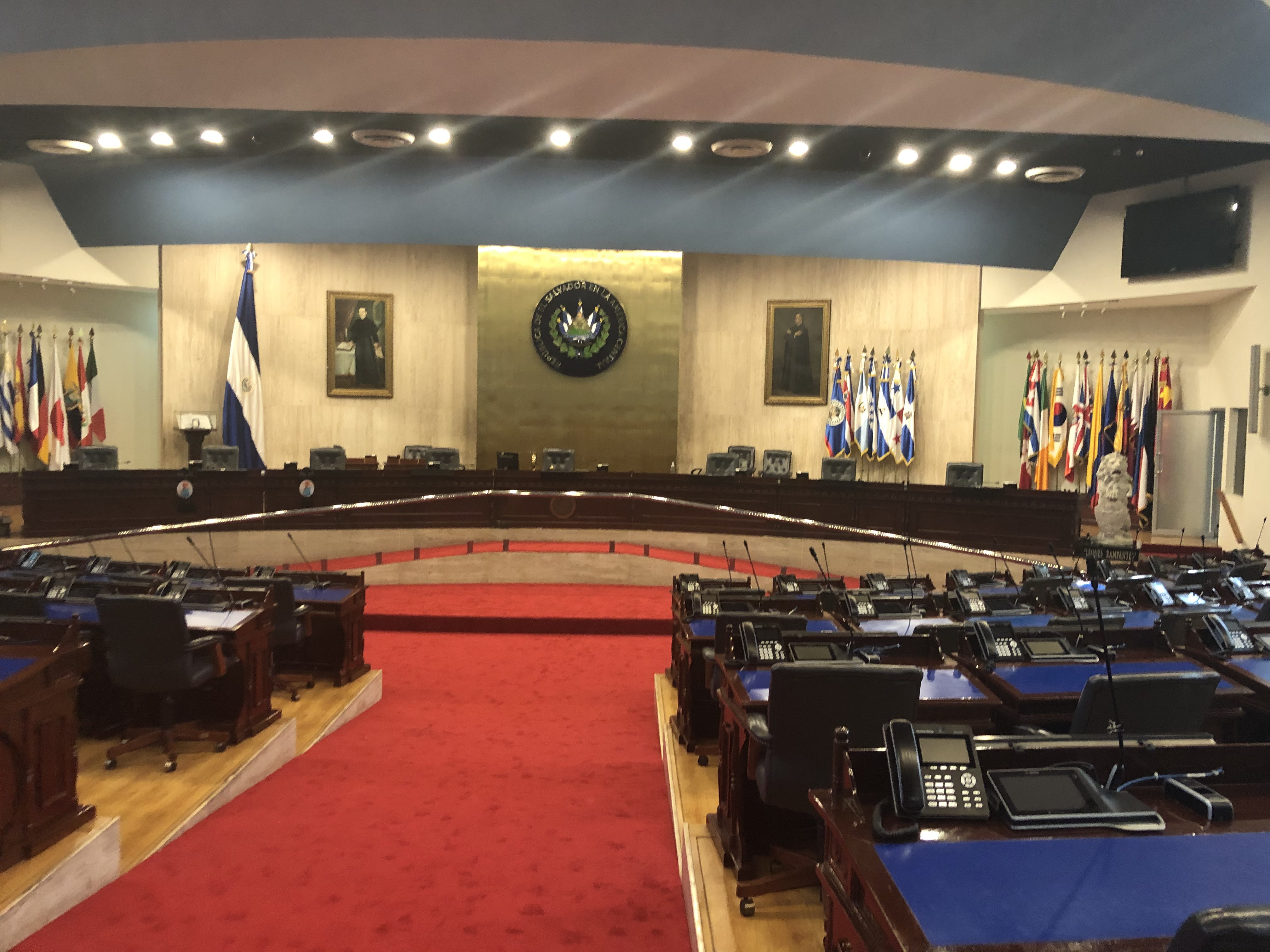
El Salvador's Legislative Assembly passed a landmark constitutional reform on Tuesday, voting 59-1 to allow life imprisonment for those convicted of homicide, rape, and terrorism. The vote came hours after the Security Cabinet presented the proposal in the morning, with the chamber approving it in the afternoon.
The measure amends Article 27 of the Constitution, removing a longstanding prohibition on life sentences. Under the previous framework, courts capped sentences at 60 years — even as prosecutors sought penalties up to 1,000 years against gang members, creating a legal inconsistency the reform now resolves.
President Nayib Bukele called the vote a test of political courage. "At this moment, our security cabinet is presenting to the Legislative Assembly a constitutional reform to endorse life imprisonment (until now prohibited by the Constitution) for murderers, rapists, and terrorists," he wrote on X. "We will see who supports this reform and who dares to defend the idea that the Constitution should continue prohibiting murderers and rapists from remaining in prison."
The reform reflects the dominant mandate of Bukele's Nuevas Ideas party, which holds 54 of the Assembly's 60 seats alongside three allied lawmakers. Claudia Ortiz of the Vamos party cast the sole vote against the measure. The government submitted four additional bills the same day to align secondary legislation with the amendment, covering the Penal Code, Juvenile Criminal Law, anti-terrorism statutes, and violence-against-women protections. The reform requires ratification in a subsequent plenary session before taking effect.
The approval builds on Bukele's security agenda, launched in earnest in March 2022 following a weekend of gang violence that killed 87 people. A state of exception declared that month has been renewed monthly since, enabling an aggressive crackdown that has resulted in more than 90,000 detentions. Government figures show homicides have fallen by over 90 percent since Bukele took office in 2019 — one of the most dramatic crime reductions recorded anywhere in the world.
"The country we aspire to also requires that our societies be free of murderers and rapists," Security Minister Villatoro said during Tuesday's presentation. When pressed by international critics, she was direct: "This constitutional reform guarantees that those who destroyed Salvadoran families, raped innocent people and spread terror will never walk our streets again."
The government acknowledges that the crackdown has not been without errors. Bukele has confirmed that approximately 8,000 detainees were released after being found innocent. Human rights organizations, including Cristosal, report additional cases of wrongful detention and raise concerns about conditions in custody, including approximately 500 deaths in state prisons over four years and an estimated 85 political prisoners. The government disputes some of these figures and maintains that the policy targets confirmed gang members and violent criminals.
El Salvador's security model has attracted significant international attention. "It has had a huge impact," noted one regional analyst. "Governments — mostly the new right that we are seeing, but also some from the left — are using it as an example."
Tuesday's vote is the latest in a series of constitutional reforms under Bukele. In August 2025, the Assembly approved an amendment eliminating presidential term limits. The life imprisonment reform now awaits final ratification before implementation. Officials have not announced a specific date.
Security Minister Villatoro closed Tuesday's session with a clear statement of intent: "What we are doing is irreversible."