Fire Rocks UAE's Fujairah Port Hours After US Kharg Island Strike
Drone debris ignited Fujairah's oil terminal hours after a US bombing raid on Iran's Kharg Island, as missile strikes, port evacuations and a near-shut Strait of Hormuz signal a rapidly widening regional war.
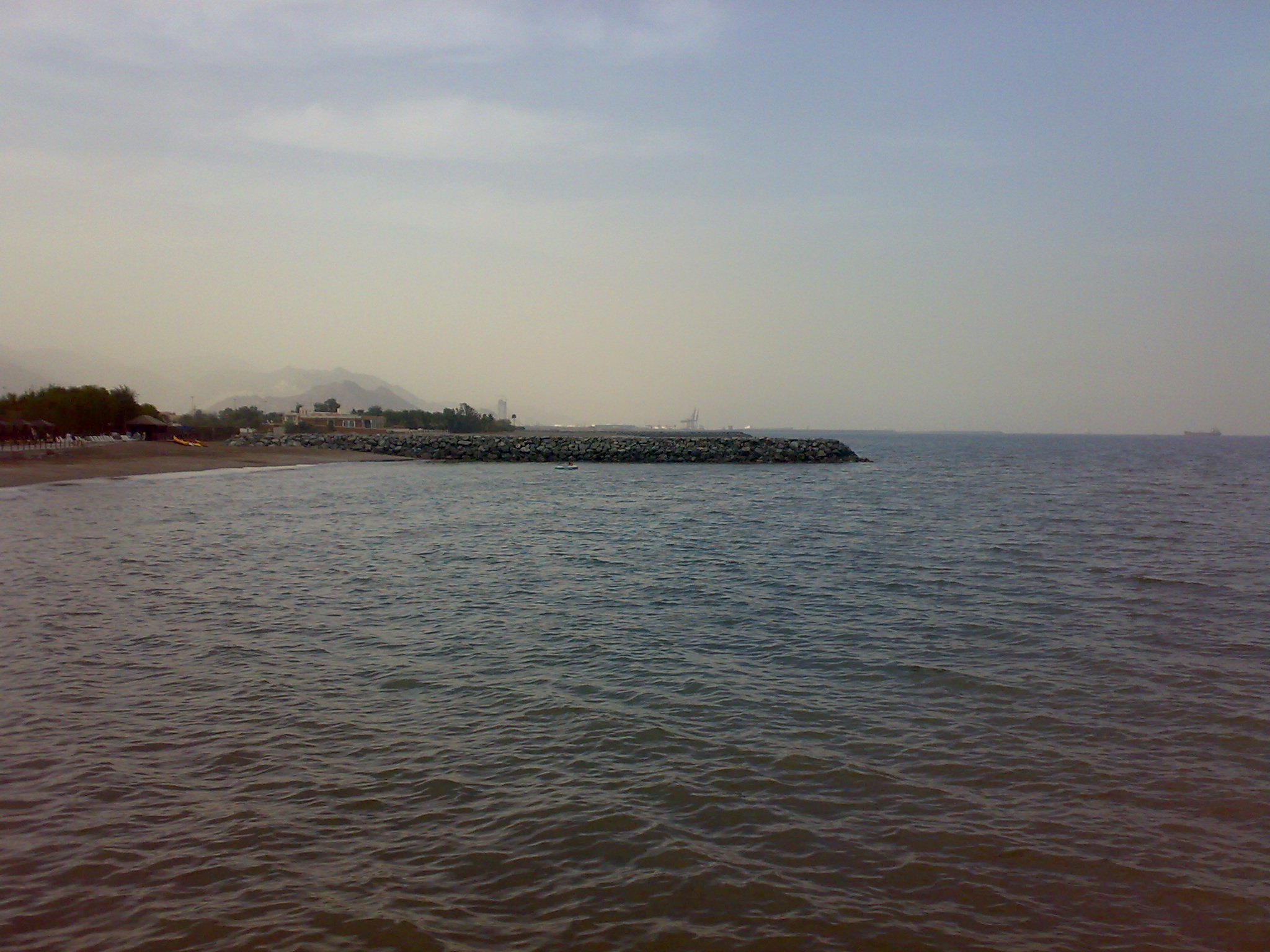
Thick black smoke curled over the Port of Fujairah on Saturday morning while civil defence crews fought to contain flames tearing through one of the UAE's most vital oil terminals. The fire erupted when debris from an intercepted Iranian drone slammed into storage facilities — just hours after President Trump described his military's strike on Iran's Kharg Island as "the most powerful bombing raid in the History of the Middle East."
UAE officials confirmed the suspension of some oil-loading operations at the facility. No injuries were reported. The port moves approximately 1 million barrels per day of Murban crude — roughly 1 percent of world demand — making every hour of downtime felt far beyond the Gulf.
The timing pointed unmistakably to retaliation. The US airstrike hit Kharg Island late Friday, with US Central Command confirming the destruction of more than 90 Iranian military targets, including naval mine storage facilities and missile bunkers. The command described it as a "precision strike" that destroyed "90 Iranian military targets" while "preserving the oil infrastructure."
That infrastructure represents the spine of Iran's economy. Kharg Island handles about 90 percent of Iran's crude exports, positioning it as the indispensable artery of Iranian oil shipments.
Trump declared on Friday that US forces had "totally obliterated" all military targets on the island. In a social media post, he called it "one of the most powerful bombing raids in the History of the Middle East." He followed the announcement with a stark warning: "Should Iran, or anyone else, do anything to interfere with the Free and Safe Passage of Ships through the Strait of Hormuz, I will immediately reconsider this decision."
Iran did not wait. The Islamic Revolutionary Guard Corps warned residents to evacuate UAE ports, branding them legitimate targets. "The IRGC is sending a message that there is no safe harbor in this rapidly expanding conflict," said Helima Croft, analyst at RBC Capital. Ebrahim Zolfaghari, spokesperson for Iran's Armed Forces and the Khatam al-Anbiya Central Headquarters, went further, warning that Iranian forces "will target all oil, economic, and energy infrastructures belonging to oil companies across the region that have American shares or cooperate with America."
The threats gave way to strikes. A missile hit a helipad inside the US Embassy compound in Baghdad, with smoke rising from a building at the fortified site. Iranian drones and missiles also targeted Qatar, Saudi Arabia, Kuwait, Jordan and Turkey, with regional air defenses intercepting the majority of incoming projectiles.
The cumulative effect has effectively sealed the Strait of Hormuz, the narrow chokepoint through which roughly 20 percent of global oil supplies normally transit. Commercial vessel traffic through the strait collapsed from 153 daily transits to just 13 — an approximately 91 percent reduction that has stranded supply chains from Rotterdam to Shanghai.
Fifty-five Chinese-flagged vessels remain trapped inside the Persian Gulf as Beijing negotiates transit privileges with Tehran. China imports 40 percent of its oil and 30 percent of its liquefied natural gas through the strait, leaving the world's second-largest economy dangerously exposed to a conflict it did not start.
Oil markets registered the shock with raw force. Brent crude surged from approximately $74 per barrel before the conflict to above $119 at its peak, before settling at a volatile level around $100 per barrel. The International Energy Agency has characterized the situation as the biggest oil supply crisis in history.
The United States is deploying 2,500 Marines and the amphibious assault ship USS Tripoli to the region, though officials have not detailed an arrival timeline. Trump urged other nations to send warships to the Strait of Hormuz to restore safe passage.
The human toll has mounted with equal speed. Approximately 1,444 people have been killed inside Iran since the US-led air campaign began; 826 have died in Lebanon from Israeli strikes. The conflict has displaced 3.2 million people inside Iran and 850,000 in Lebanon — entire communities uprooted while the powers above them trade missiles and ultimatums.
Iran has proposed a de-escalation mechanism, according to Iranian envoy Abdolreza Rahmani Fazli, as reported March 14. Gulf Arab states have condemned Iran's attacks on their neighbors. The United Nations has called for humanitarian aid and safe passage through the Strait of Hormuz, but has offered no concrete path to either — leaving millions of civilians, and the global economy, hostage to what happens next.