German Police Omit Turkish Citizenship in Teen Murder Suspect's Profile
A 15-year-old boy was murdered in Eckernförde. Police identified the suspect only as 'German' — his Turkish citizenship surfaced only after reporters pressed for answers.
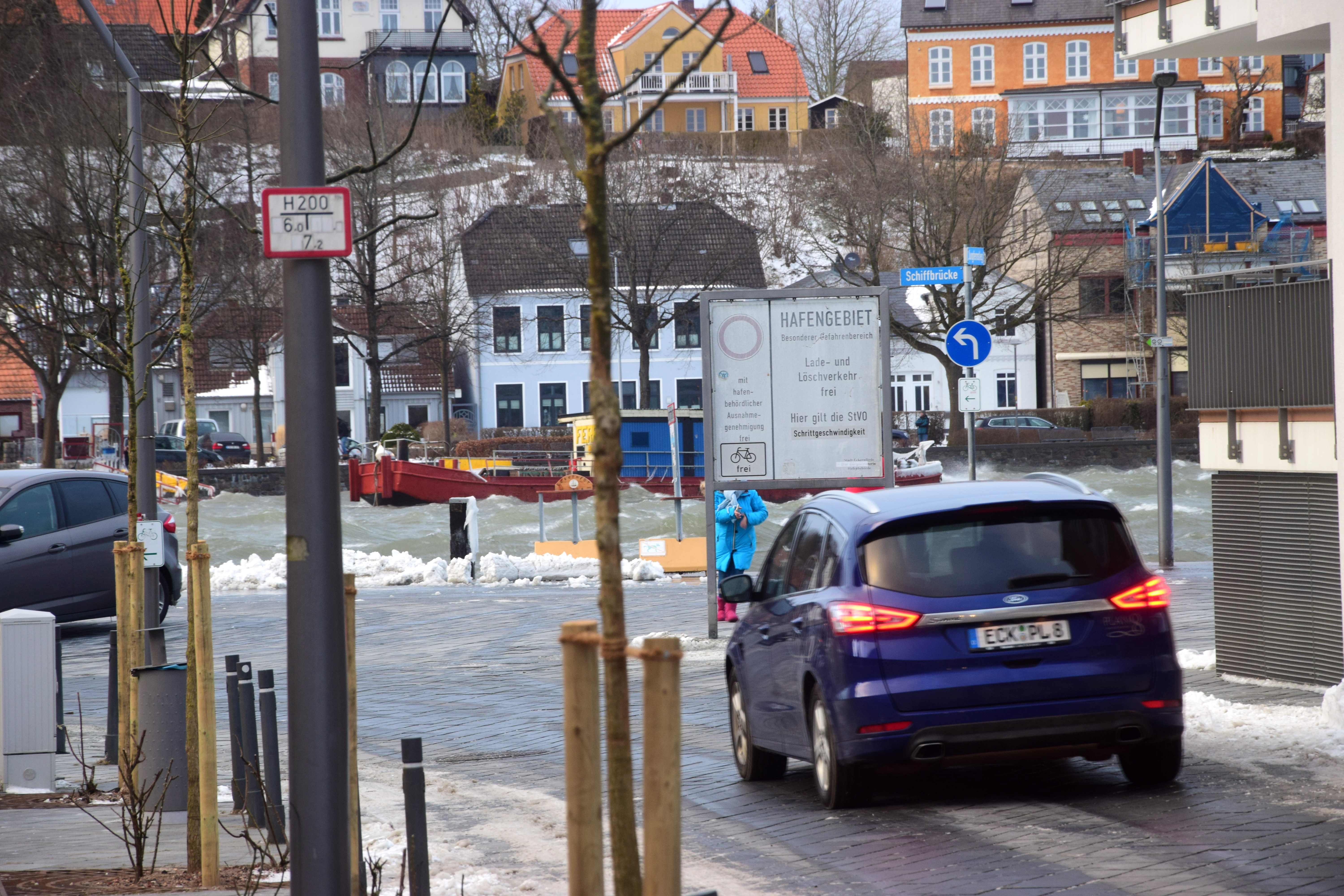
Police called him a "23-year-old German" and left the rest unsaid. The suspect in the murder of a 15-year-old boy in Eckernförde holds Turkish citizenship — a fact authorities withheld until reporters pressed for disclosure.
The omission raises questions beyond record-keeping. It points to a deliberate choice about what information German police consider worth sharing with communities shaken by violence.
On March 11, witnesses watched a white Volkswagen Golf speed away from a Rewe supermarket parking lot in Eckernförde, Schleswig-Holstein, as chaos erupted at 8:45 p.m. The vehicle vanished into the night, leaving behind a family fractured by brutality.
Three kilometers away on Schiefkoppel street, rescuers found the boy. Despite desperate attempts to save him, he died before reaching the hospital.
Oberstaatsanwalt Michael Bimler of the Kiel Public Prosecutor's Office confirmed the teenager had been transported from the parking lot to the place where his body was found. The journey — from a routine shopping trip to a crime scene — could not be undone.
The Kiel prosecutor's office posted a €5,000 reward for information leading to the conviction of those responsible. The offer hung in the air like a promise to a community in grief.
On March 15, search dogs combed wooded areas near Schule am Noor. Authorities hoped answers would come quickly.
They did. On March 16, officers arrested the 23-year-old suspect in Bremen. A Bremen District Court judge issued an arrest warrant that same evening.
The victim was Achmed B., whose Kurdish family settled in Eckernförde four years ago. His father described him as "very kind, very funny" — words that now serve as a eulogy for a life cut short at 15.
Achmed had gone shopping with his older brother. Only one brother came home. The survivor, traumatized by what he witnessed in that parking lot, has been unable to speak.
Investigators characterized the killing as a targeted confrontation, not a random attack. Oberstaatsanwalt Bimler stated, "It was not a random encounter."
Prosecutors elaborated: "Wir gehen nicht davon aus, dass hier wahllos auf ein Opfer eingewirkt worden ist, sondern dass dem ein gezieltes vorheriges Geschehen als Ursache zugrunde gelegen hat." Officials described the incident as a confrontation between people who apparently had a prior arrangement. The investigation continues against additional persons, and the weapon has not been recovered.
A critical detail, however, was absent from the official account. In their initial press release on March 16, police identified the suspect only by his German citizenship. His Turkish nationality emerged only after direct media inquiry.
The Nius news portal contacted authorities seeking clarification on the suspect's background. Police confirmed he holds dual German-Turkish citizenship — a fact that appeared in Bild's reporting but was absent from every official statement.
Germany's federal crime statistics record only one nationality for dual citizens, defaulting to German nationality. The practice obscures demographic patterns in national crime data.
North Rhine-Westphalia moved to change that in 2025, becoming the first German state to mandate recording of multiple nationalities for dual citizens. Interior Minister Herbert Reul's reform delivers more granular data at the state level.
The figures that emerged were striking. In 2023, one in six suspects carrying German citizenship also held another nationality in North Rhine-Westphalia — totaling 49,825 crimes involving dual citizens. German-Turkish dual citizenship accounted for the largest share, at 10,307 cases.
The Eckernförde case reflects broader concerns about consistency in how German authorities disclose information involving dual citizens. When police identify a suspect publicly, they face a choice about which citizenship to lead with — and that choice shapes what the public understands.
Authorities can argue that German citizenship makes the suspect "German" by definition. But omitting his Turkish nationality, when the public is trying to understand patterns in German crime reporting, produces an incomplete picture — and leaves journalists to fill the gaps authorities decline to address.
Questions persist about why police withheld the information initially. The decision to confirm dual citizenship only after media inquiry suggests a preference for limiting disclosure rather than providing it.
Achmed B.'s body was flown to Iraq for burial in Sulaimaniyya, transported by a cousin across the distance his family once crossed to build a life in Germany.
In Eckernförde, the suspect's identity is now known. The silence around what details authorities choose to share — and when — will outlast the headlines.