Iran Strikes Production Facilities in Gulf War Escalation
Iranian drones hit UAE and Iraqi oil production sites for the first time since the Gulf war began Feb. 28, spiking Brent crude past $103 and sending U.S. gas prices to record highs.
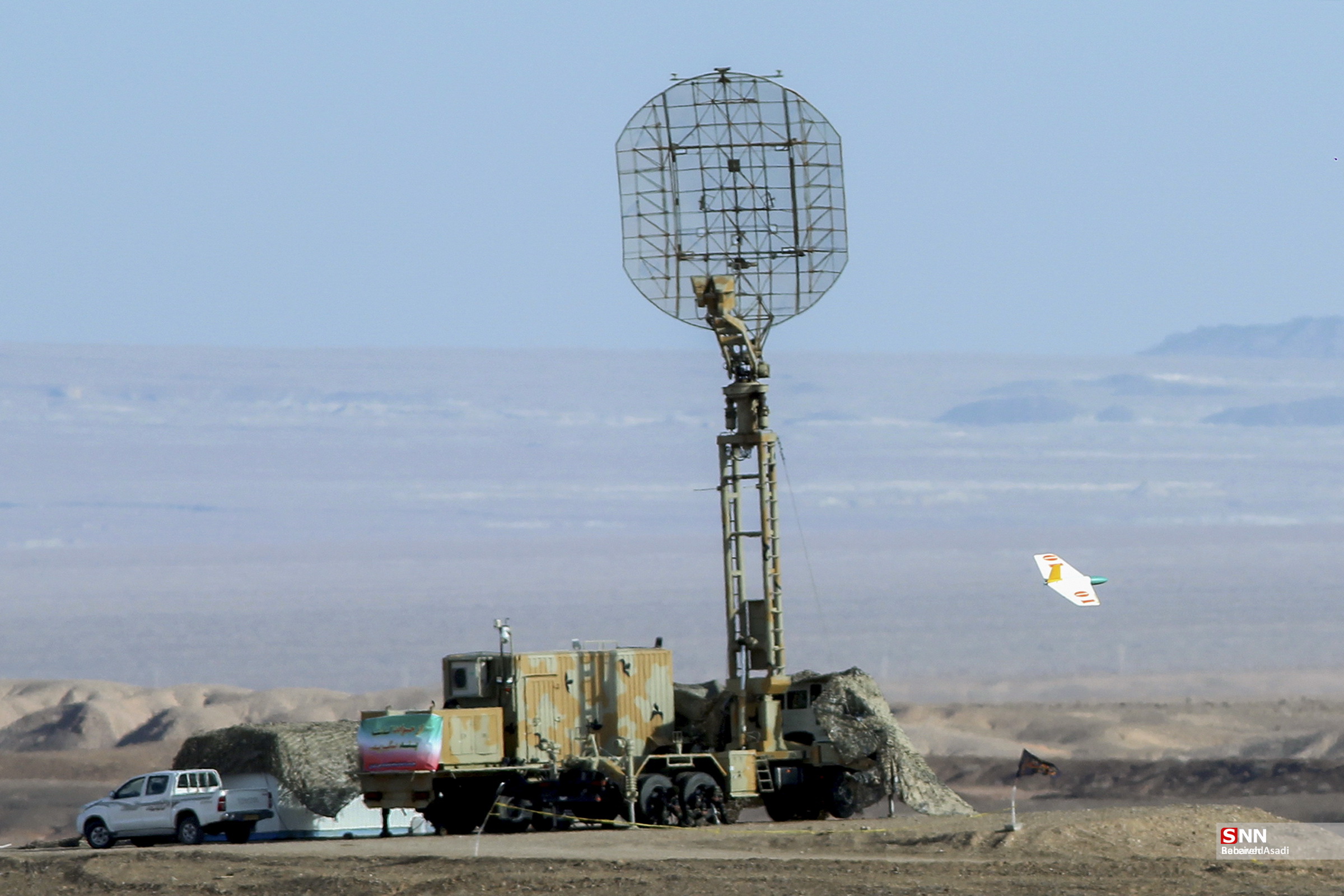
One American's drive to work costs more than it did last week. So does keeping the lights on across the Emirates. On Monday, a fireball tore through the UAE desert as Iranian drones struck the Shah gas field — the first attack on actual production facilities since the war erupted Feb. 28. Abu Dhabi National Oil Company suspended operations immediately, severing a supply that feeds approximately 20 percent of the emirate's gas needs.
The strike marked a dangerous turning point in Iran's campaign. Tehran had previously targeted refineries, terminals and storage facilities. This time, it struck at the heart of energy production itself.
"Further ominous developments today. For the first time, Iran successfully targeted oil and gas production facilities, rather than refining, terminals, and storage," Javier Blas, Bloomberg Opinion's commodities columnist, wrote on X.
The Shah field was not the only production site hit. Two drones struck Iraq's Majnoon oil field, one of the world's largest, damaging a telecommunications tower and offices of an American firm. The UAE's Fujairah port — a critical export bypass for the Strait of Hormuz — suffered repeated attacks, halting oil loadings.
"Iran has started a new phase of its oil war," Blas wrote, adding that "Tehran is clearly going after the Strait of Hormuz bypass route, with Fujairah (UAE) coming under attack."
Markets absorbed the news with alarm. Brent crude traded at $103.28 per barrel Tuesday, up more than 40 percent since Feb. 28 and approaching $105 at its peak. West Texas Intermediate climbed as high as $98.42 per barrel. The numbers tell only part of the story.
The rest plays out at pump stations across America. Diesel hit $5 per gallon nationwide, the highest level since December 2022. Regular gasoline prices jumped 25 percent in March alone — the largest single-month increase on record, according to AAA data.
Production facility attacks carry deeper implications than strikes on storage terminals. Production infrastructure is harder to replace, meaning disruptions will persist longer and inflict more lasting damage on global supplies.
The strikes compound a regional output collapse already underway. UAE daily oil production has fallen by more than half from approximately 3.4 million barrels per day in January. Iraq slashed output by approximately 70 percent. Saudi Arabia cut production by approximately 20 percent. Qatar suspended LNG exports, affecting approximately 20 percent of global supply.
Iran launched the campaign in retaliation for Operation Epic Fury, coordinated U.S. and Israeli strikes that killed Supreme Leader Ayatollah Ali Khamenei. Tehran has since fired approximately 2,000 missiles and drones at UAE targets alone. The UAE Ministry of Defense says it intercepted 1,411 drones and 259 missiles — a testament to the scale of the assault as much as to the defense effort.
Behind those numbers are human lives. Eight people have been killed in the UAE, including one person struck Tuesday by missile debris in Abu Dhabi. At least 13 U.S. service members have died. Human rights monitors at HRANA reported 3,099 killed as of March 16, among them 1,351 civilians.
The Strait of Hormuz remains effectively closed, with shipping traffic virtually halted. The passage normally carries approximately 20 percent of global oil and gas shipments. President Trump has called for allied warships to escort tankers, but no nations have committed.
"The biggest risk in the market is the Strait of Hormuz remaining constrained for a longer stretch and the market feeling the US and its allies have a limited capacity to alter the dynamic," said Chris Weston, an analyst at Pepperstone Group.
Iranian officials have signaled the campaign will intensify. Shaikh said the Iranian state is fighting an existential battle that has become a nationalist struggle.
Beyond energy, the war has exposed vulnerabilities in Gulf desalination plants that supply the region's drinking water. Analysts warn those strikes may ultimately prove more consequential than any damage to oil infrastructure — because a city can endure a power outage, but not a week without water.