Israel: US Preparing Hormuz "Takeover"
Israel's Kan News reports Washington is preparing a military operation to seize control of the Strait of Hormuz, even as European allies break from Trump's proposed coalition. Oil tops $100 a barrel and 2,500 Marines are closing in.
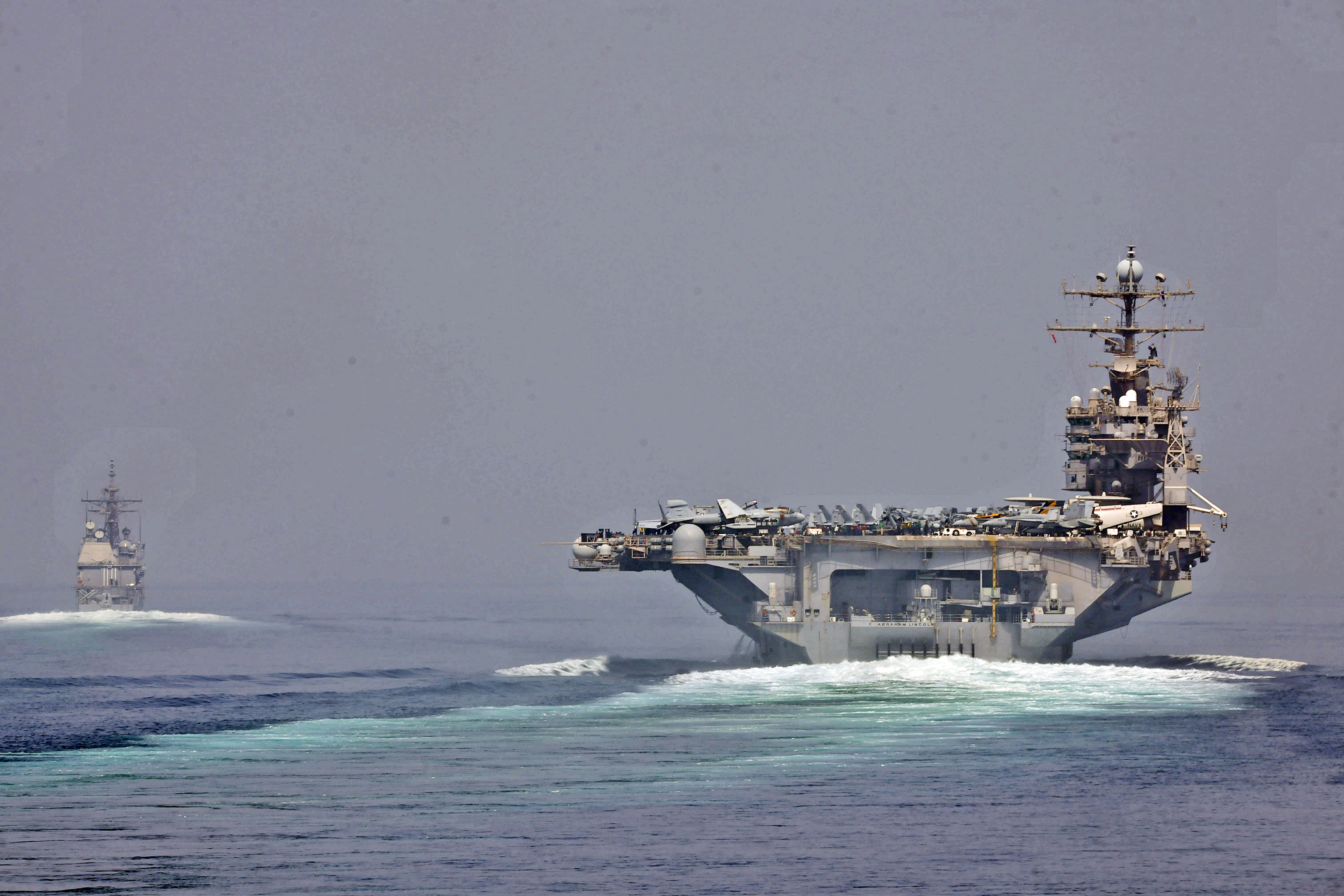
Two thousand five hundred Marines are steaming toward the world's most critical energy chokepoint — and if Israeli reporting is accurate, Washington is going in largely alone.
Israel's public broadcaster Kan News reported Wednesday evening, citing Israeli government sources, that the United States is preparing what those sources describe as a "takeover" operation at the Strait of Hormuz. The characterization — more aggressive than the "escort" and "freedom of navigation" language used in US official statements — has not been independently confirmed by Western outlets. It comes as President Donald Trump's European allies have explicitly rejected participation in his proposed naval coalition to open the strategic waterway.
The USS Tripoli, an amphibious assault ship carrying approximately 2,500 Marines and F-35B fighters, departed Okinawa on March 11 and is now en route to the Gulf — a deployment confirmed by the Pentagon. The vessel represents a tangible shift in American military posture as the administration pivots from alliance-building toward unilateral action. According to Israeli sources cited by Kan News, if a dedicated Hormuz operation were to proceed, its active military phase would last approximately two weeks, with the broader campaign potentially extending longer depending on Iranian actions.
According to the same Kan News report, Israel would participate in such an operation through intelligence sharing, backing the US-led effort in partnership with Gulf states — a role that would go beyond Prime Minister Benjamin Netanyahu's public language of "cooperation" with Washington on the Hormuz issue. That reporting has not been independently verified.
What is independently confirmed is the coalition's collapse. Trump asserted that "numerous countries" had agreed to join and were "on their way." Major allies flatly contradicted him. German Defense Minister Boris Pistorius stated "this is not our war." French President Emmanuel Macron said France "will never take part in operations to open or liberate the Strait of Hormuz in the current context." UK Prime Minister Keir Starmer ruled out joining a "wider war." The allied front, as Trump envisioned it, dissolved before it formed.
Trump dismissed the rejections without hesitation. "We do not need help from anyone," he declared, signaling that the US intends to continue bombing the coastline and engaging Iranian vessels to keep the strait open. He then turned on NATO directly: "I think NATO is making a very foolish mistake... this was a great test, because we don't need them, but they should have been there."
US military operations in the region are already underway and escalating. On March 17, CENTCOM dropped 5,000-pound GBU-72 bunker-buster bombs on Iranian anti-ship cruise missile storage sites along the Hormuz coastline — strikes aimed at degrading Iran's ability to threaten commercial shipping, and distinct from the broader Operation Epic Fury campaign against Iranian military infrastructure. The Institute for the Study of War assessed that "the US and Israel are attempting to use force to prevent Iran from disrupting shipping in the Strait of Hormuz."
The economic cost of that disruption is mounting by the hour. Tanker traffic through the strait has slowed to a trickle — only 21 vessels have transited since the war began on Feb. 28, against a pre-conflict pace of more than 100 ships daily. Brent crude has climbed above $100 per barrel. Iran, meanwhile, has positioned itself as a de facto "Strait of Hormuz gatekeeper," selectively waving through China-linked vessels and ships from other non-hostile nations while the global economy watches.
The strategic miscalculation behind the crisis runs deep. Daniel Shapiro, an Atlantic Council fellow and former US ambassador to Israel, argues that "there was probably an overly optimistic assessment by both Israel and the United States that the decapitation of the regime... could produce a crumbling effect of the regime, and also could inspire the Iranian people to return to the streets and put pressure on the regime internally." He adds bluntly: "There was none of the political and diplomatic preparation that there should have been."
What happens next depends in part on Iran. Tehran has said the waterway remains "open to all except the US and its allies," and data shows it has selectively permitted passage to Chinese, Indian, and Turkish vessels. Whether a US military push to force broader transit rights would harden or break that position remains the central unanswered question of the coming weeks.