Total Grid Collapse Breaks Cuba: Citizens Rise Against Regime on the Brink
Cuba's national power grid collapsed for the second time in 12 days, plunging 11 million people into darkness as street protests intensified and citizens in Morón stormed Communist Party headquarters.
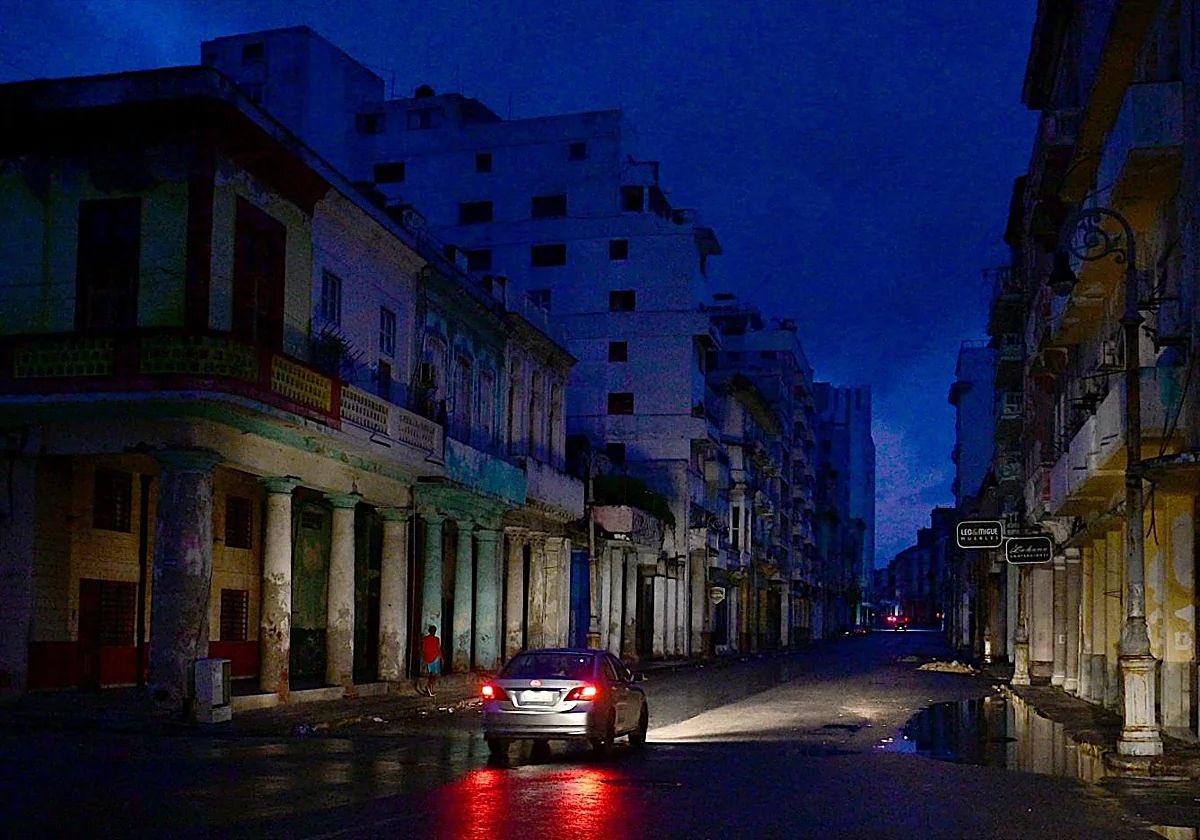
Havana woke in darkness Monday as Cuba's National Electric System collapsed for the second time in 12 days — and across the island, people reached for their pots.
The total blackout struck during the tenth consecutive night of protests, just days after citizens in Morón stormed their local Communist Party headquarters and set it ablaze. The Ministry of Energy and Mines activated emergency restoration protocols after the grid disconnected nationwide. Generation capacity had plummeted to 1,140 megawatts against a demand of 2,347 megawatts — a deficit of 1,220 megawatts — leaving approximately 11 million Cubans without power.
For most, darkness also meant thirst. "We went to bed without power and we got up without power," said Kenia, a resident of Havana's Alamar neighborhood. "And there's no water either. Without electricity you can't even turn on the pump to bring up water." Her words capture a daily reality that has ground ordinary life to a halt.
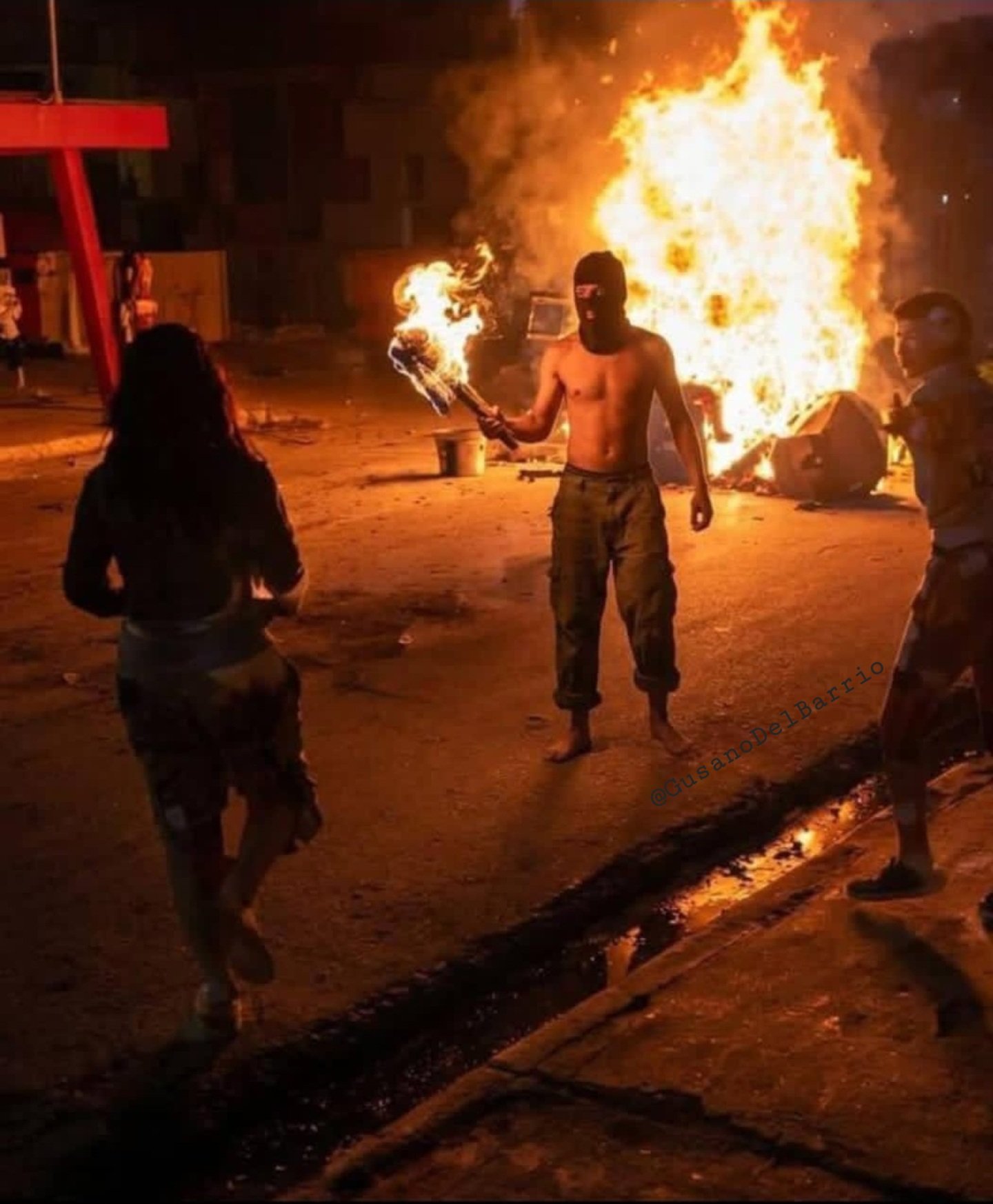
The cacerolazos — pot-banging street protests — have become the rhythm of Cuban nights. "Every day people shout, the pots ring, and they come out to protest," Kenia said. What began March 6 in Havana neighborhoods including Diez de Octubre, Vedado, El Cerro and Marianao has since spread to Ciego de Ávila, Granma and other provinces, widening the pressure on a regime that has held power for 67 years.
The roots of the crisis run deeper than the grid. President Miguel Díaz-Canel announced Friday that the island had not received oil shipments in more than three months. Operating on solar power, natural gas and thermoelectric plants, the government has been forced to postpone surgeries for tens of thousands of patients.
Cuba's oil lifeline dried up after a Jan. 3 U.S. military operation in Venezuela that arrested President Nicolás Maduro. Venezuelan shipments had supplied approximately 35,000 barrels per day — nearly half of Cuba's oil needs. A Jan. 29 executive order from President Donald Trump compounded the pressure, threatening tariffs on any nation supplying oil to Cuba. The island's economy contracted approximately 5 percent in 2025, extending an estimated 15 percent decline over five years.
The Antonio Guiteras thermoelectric plant in Matanzas, a critical generation facility, remains offline following a boiler leak that triggered the March 4 cascade failure — the blackout that preceded this week's collapse. Nine of the 16 thermoelectric units in the national system are now out of service. Minister of Energy and Mines Vicente de la O Levy said officials are working to restore the grid amid what he described as a complex energy situation.
Private businesses have buckled under the strain. Diesel has become virtually unobtainable through official channels, with black market prices reaching approximately $8 per liter. Multiple international airlines have suspended flights to Havana.
The breaking point came March 14 in Morón, Ciego de Ávila, when protesters stormed the local Communist Party headquarters and attempted to set it on fire — the most direct confrontation between citizens and the regime in decades. At least 14 people have been detained in connection with the protests, according to monitoring by Cubalex, a Cuban legal rights organization. Video evidence and witness testimony suggest at least one person was shot during the Morón confrontation; the Cuban government newspaper Invasor denied the shooting, asserting the person suffered a fall while intoxicated.
One woman who fled Cuba spoke from outside the country, identified only by her initials to protect her children still on the island. "I know that this could get me into a lot of trouble," she said. "I have my kids in Cuba, and I understand the consequences it could bring, but I am tired of the injustice." Her voice carries the weight of millions who have no such escape.
The government's response has been contradictory. Díaz-Canel announced March 13 that Cuban officials had held discussions with U.S. representatives to seek solutions through dialogue. "We trust in the experience and effort of the electrical workers to overcome this situation in the shortest possible time," Prime Minister Manuel Marrero Cruz said following the March 4 grid failure. Washington has shown little inclination to ease the pressure.
"They have no money, they have no oil," Trump said March 7. "They have a bad philosophy. They have a bad regime that's been bad for a long time." He added that Cuban officials "want to make a deal so badly." In remarks that raised eyebrows across the region, Trump went further on Monday, suggesting U.S. ambitions toward the island extend well beyond diplomacy. "I do believe I'll have the honor of taking Cuba. That would be good. That's a big honor," he said, adding: "I can free it or take it, I think I can do anything I want with it."
The question remains whether sustained pressure from Washington and citizens willing to torch the symbols of Party power can force change in a regime that has survived for 67 years.
Updated with breaking statements from President Trump signaling potential U.S. territorial ambitions over Cuba.