U.S. Weighs Ground Troops for Iran as NATO Allies Refuse to Help
The Trump administration weighs deploying thousands of troops to Iran's coastline as European NATO allies flatly reject calls to join the fight over the Strait of Hormuz.
Thousands of American troops could soon stand on Iranian soil. The Trump administration is weighing that deployment as the military maps possible next steps in its campaign against Iran — even as European NATO allies explicitly reject Washington's calls to send warships and help reopen the Strait of Hormuz.
The waterway carries 20 percent of the world's oil. Iran shut it to Western shipping on March 1, and it has stayed shut — despite U.S. naval and air strikes that have destroyed more than 90 Iranian vessels. Now, four sources, including two U.S. officials, say the administration is weighing boots on Iran's shoreline to force the strait open.
Europe wants no part of it. German Defense Minister Boris Pistorius put the question bluntly: "What does Donald Trump expect from, let's say, a handful or two handfuls of European frigates in the Strait of Hormuz to accomplish what the powerful U.S. Navy cannot manage there on its own?" British Prime Minister Keir Starmer said the U.K. would defend itself and allies but would not be drawn into a wider war. EU Foreign Policy Chief Kaja Kallas distilled the continent's posture in a single line: "The feeling is, this is not Europe's war."
The campaign has already carved a vast footprint across the region. Defense Secretary Pete Hegseth says U.S. strikes have hit more than 15,000 targets. Thirteen American service members are dead; roughly 200 others have been wounded across seven Middle Eastern countries. The administration has spent $16.5 billion in the first 12 days of Operation Epic Fury, according to the Center for Strategic and International Studies. The dollars and the casualties keep climbing.
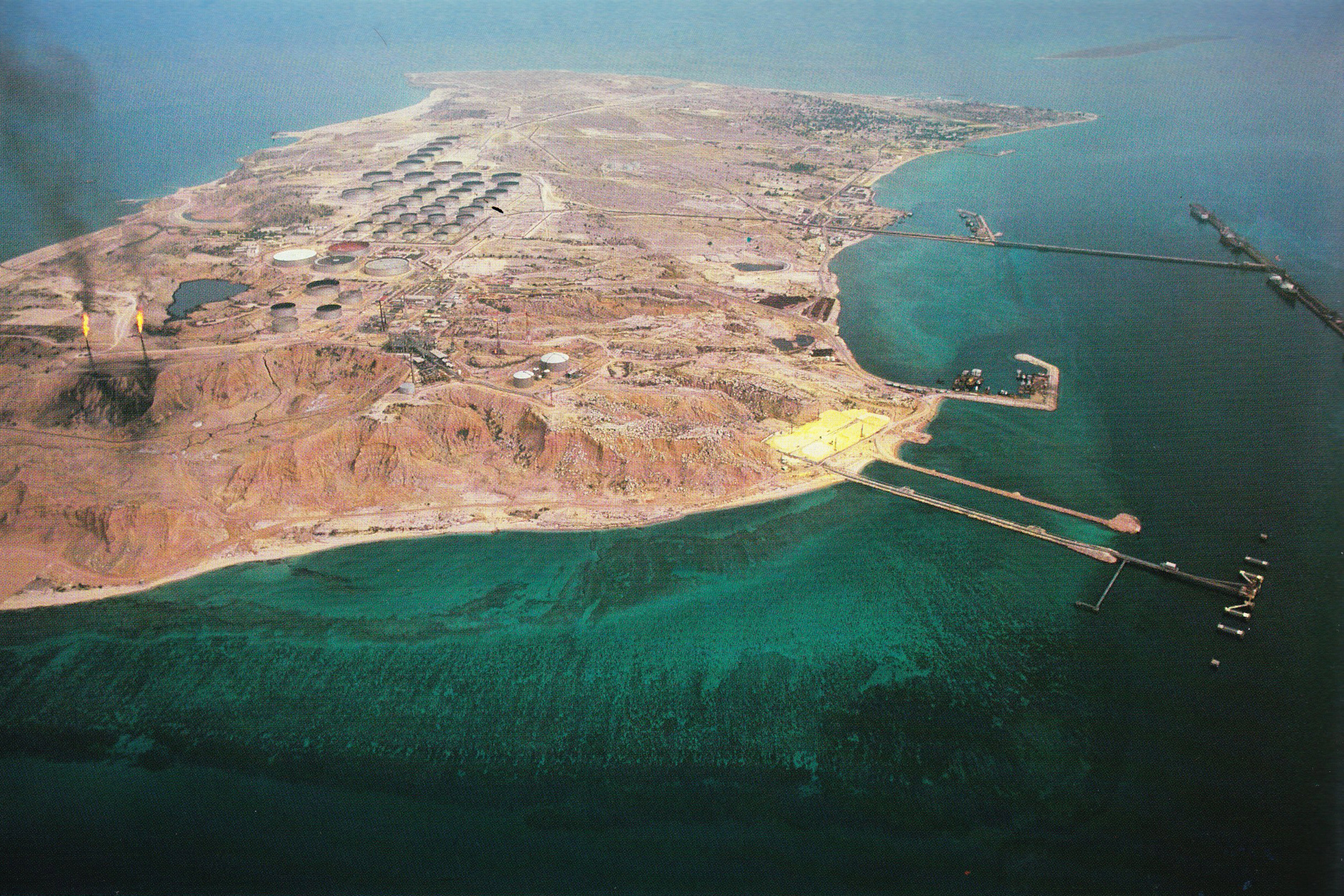
The air campaign has reached Iran's economic jugular. U.S. strikes hit Kharg Island — which handles 90 percent of Iran's oil exports — on March 13. Yet Iranian oil exports have continued at 12 to 13.7 million barrels since the war began, according to data from Kpler and TankerTrackers. The numbers tell a stark story: air power alone has not forced Tehran to yield.
Trump addressed the troop question on Tuesday at the U.S. Capitol, describing the decision in characteristically personal terms. "I went to Susie, my beautiful Susie Wiles," he said. "I said, 'You mind if I take a little excursion, my chief of staff? Because I want to do this.'" Hegseth, meanwhile, pushed back against comparisons to past Middle East misadventures. "We're not dumb about it," he told NBC News. "You don't have to roll 200,000 people in there and stay for 20 years."
The logic behind a ground option may be less about conquest than coercion. Petras Katinas, an energy researcher at the Royal United Services Institute, argues that seizing Kharg Island would hand Washington direct leverage over negotiations — the island is the central node of Iran's economy, and losing it would be existential for the regime. The ground troop option, analysts suggest, is about strangling economic choke points, not changing governments.
The administration has sought no congressional authorization for Operation Epic Fury. Trump, for his part, has warned that if allies continue to stand aside, it "would be very bad for the future of NATO." Thirteen flag-draped coffins and $16.5 billion later, that future — and the alliance's willingness to share the weight of it — hangs in the balance.