Allies Reject Hormuz Blockade Citing Freedom of Navigation
As the U.S. Navy enforces a blockade of Iranian ports, key NATO allies invoke freedom of navigation principles while declining military participation, exposing tensions in alliance burden-sharing.
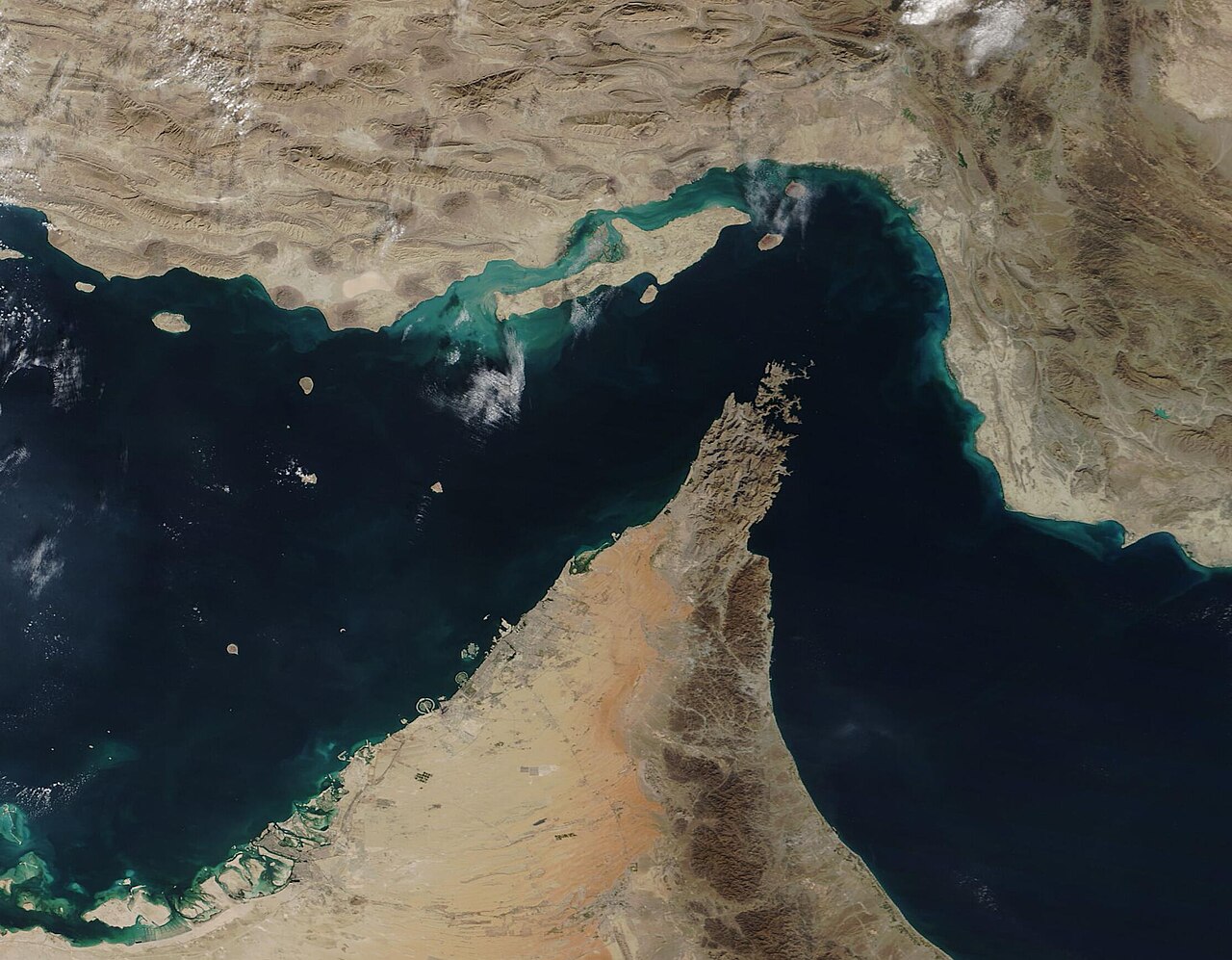
"We're not supporting the blockade," British Prime Minister Keir Starmer told BBC Radio 5 Live on Monday. At 10 a.m. ET, as the U.S. Navy began enforcing a blockade of Iranian ports, key NATO allies invoked "freedom of navigation" principles while declining military participation in the operation designed to restore those very sea lanes.
CENTCOM confirmed the blockade targets all vessels entering and exiting Iranian ports and coastal areas in an April 13 statement. U.S. Central Command emphasized the action will not impede "freedom of navigation for vessels transiting the Strait of Hormuz to and from non-Iranian ports."
President Donald Trump announced the blockade on Truth Social April 12, calling Iran's control of the strait "world extortion" and vowing "Leaders of Countries, especially the United States of America, will never be extorted."
Britain, France, Germany, Japan and Australia all declined or conditioned participation in the U.S.-led operation. "Whatever the pressure, and there's been some considerable pressure, we're not getting dragged into the war," Starmer said. French President Emmanuel Macron announced a "strictly defensive mission, distinct from the belligerents, will be deployed as soon as the situation allows." Germany's Chancellor Friedrich Merz told Politico EU his country will participate only "once the war ends."
The allied rejections expose a fundamental contradiction in alliance burden-sharing. These governments publicly champion maritime security principles yet refuse military action to enforce them. A UK Government spokesman stated Britain is "urgently working with France and other partners to put together a wide coalition to protect freedom of navigation" while simultaneously rejecting the blockade designed to achieve that objective.
Trump expressed frustration with allied reluctance in a Fox News interview April 12, comparing Starmer to Neville Chamberlain. The president stated on Truth Social that "Other Countries will be involved with this Blockade" but zero nations have confirmed participation. A White House official told Townhall on April 13: "NATO was tested, and they failed."
The Strait of Hormuz carries approximately 20 percent of the world's traded oil. Since Iran effectively closed the waterway February 28, daily transits dropped from 110-153 vessels to fewer than 10 per day. More than 800 commercial vessels remain stranded, including nearly 400 oil tankers. Iran charges up to $2 million per large tanker for passage, with some payments made in Chinese yuan.
Brent crude rose 7.5 percent to approximately $102 per barrel following the blockade announcement. U.S. crude jumped 8.7 percent to about $105 per barrel. The economic stakes underscore the urgency of reopening the strait, yet allied timelines suggest post-conflict positioning rather than immediate action.
Germany will participate "once the war ends," Merz confirmed. France's mission will deploy "as soon as the situation allows," Macron stated. Britain will act after establishing "clear lawful basis," Starmer said. The proposed UK-France conference on a multinational mission is scheduled for April 16, three days after the U.S. blockade began.
Britain maintains minesweepers in the region but focuses on "getting the strait fully open" after conflict ends, Starmer told the BBC. This operational definition reveals allied priorities: avoiding military risk during active hostilities rather than protecting navigation freedom as an immediate principle.
The disconnect represents a seismic shift in alliance dynamics. Allies want open sea lanes restored but won't share military burden to enforce them. Their invocation of "freedom of navigation" serves as diplomatic cover for avoiding engagement while expecting the United States to restore the status quo.
Russia and China vetoed a UN Security Council resolution April 6-7 to protect commercial shipping through the strait. Fifty-five Chinese-flagged ships remain trapped in the Persian Gulf. The diplomatic impasse leaves military action as the only viable option to reopen the critical waterway.
U.S. destroyers USS Frank E. Peterson and USS Michael Murphy transited the strait April 11, clearing mines ahead of the blockade. The vessels represent part of a broader U.S. naval presence that has long provided security for allied shipping in the region.
Trump has repeatedly criticized NATO burden-sharing, telling Fox News April 12: "I'm very disappointed in NATO. They weren't there for us. We pay trillions of dollars for NATO and they weren't there for us." The blockade rejection confirms his assessment that European allies prefer American protection without reciprocal military commitment.
The two-week ceasefire between the United States and Iran expires April 22. Peace talks collapsed April 12 after 21 hours in Islamabad, with U.S. Vice President JD Vance stating no agreement was reached. Iran's new regime, led by Supreme Leader Mojtaba Khamenei, has proven "more extreme than its predecessor," according to an Israeli intelligence assessment briefed to the Knesset April 9.
As the United States acts unilaterally to confront Iranian extortion, allied governments position themselves for diplomatic credit once hostilities conclude. Their "freedom of navigation" rhetoric cannot mask their refusal to share military risk during active conflict. The blockade exposes what a White House official called the fundamental failure of an alliance system built on American sacrifice without reciprocal commitment.