Trump Warns China Over Covert Iran Weapons Shipment Plans
President Trump warns China of consequences if Beijing proceeds with covert weapons shipments to Iran during ceasefire, threatening economic retaliation and complicating upcoming summit.
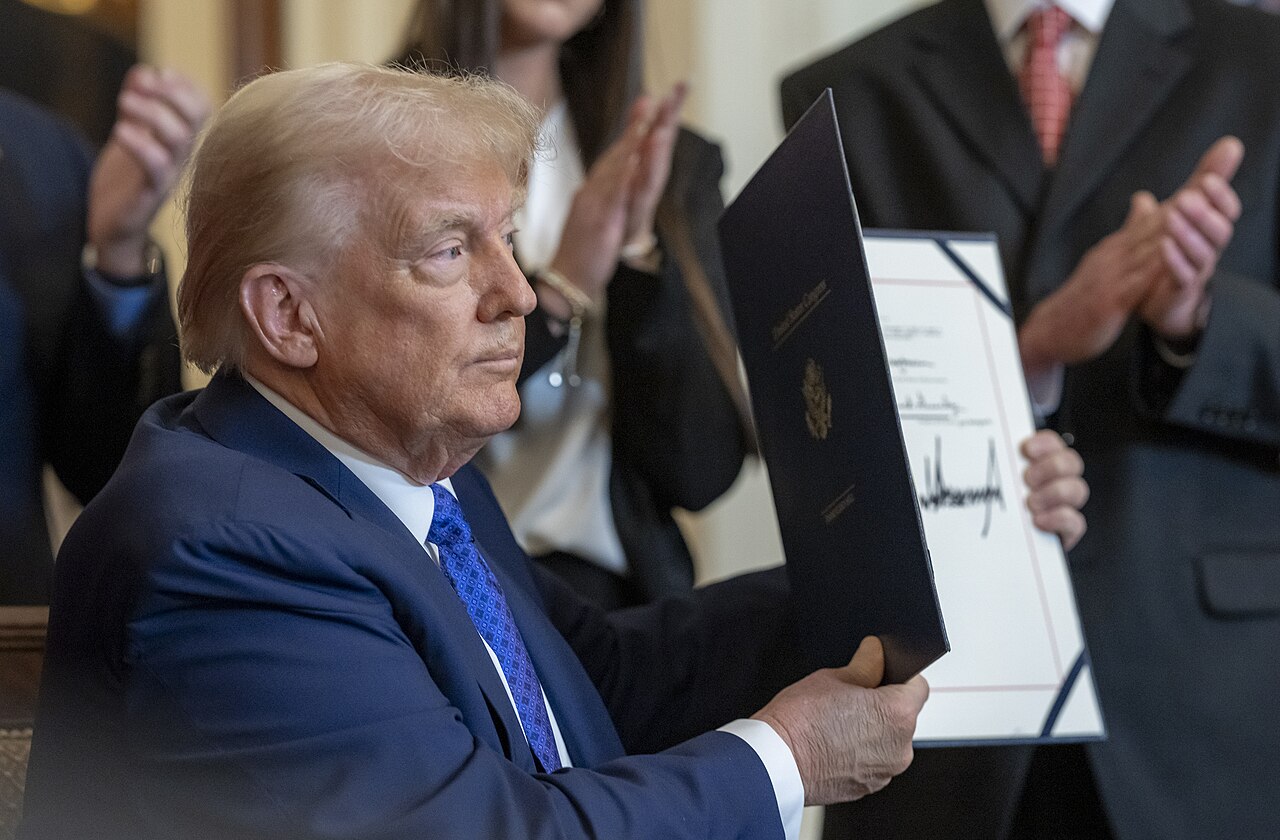
President Trump warned China Saturday it would face "big problems" if Beijing proceeds with intelligence-confirmed plans to covertly ship shoulder-fired anti-aircraft missiles to Iran during a fragile ceasefire. The threat exposes what Washington views as Beijing's two-faced strategy of publicly mediating peace while allegedly preparing to rearm Iran with weapons that downed a US fighter jet earlier this month.
"If China does that, China's gonna have big problems, OK?" Trump told reporters as he departed the White House for Miami. His blunt warning follows a CNN report citing three US officials who said China is preparing to deliver Man-Portable Air-Defense Systems to Iran within weeks, possibly routed through third countries to conceal their origin.
The intelligence assessment carries immediate military significance. Trump confirmed Monday that a "handheld shoulder missile, [a] heat-seeking missile" shot down a US F-15E Strike Eagle over Iran on April 3. The missing airman was rescued after two days hiding in mountain crevices using a secret CIA "Ghost Murmur" system that detects human heartbeat signals from up to 40 miles away.
China's Embassy spokesperson Liu Pengyu denied the weapons allegations, stating "China has never provided weapons to any party to the conflict; the information in question is untrue." The denial contradicts Beijing's earlier positioning as a ceasefire mediator, with the embassy claiming this week that China had "been working to help bring about a ceasefire."
The weapons shipment timeline coincides precisely with a two-week operational pause announced April 8 that expires April 22. US-Iran talks in Islamabad ended Sunday without agreement after 21 hours of negotiations, marking the first direct face-to-face meeting between the countries in over a decade.
Trump preempted the intelligence disclosure with an April 8 Truth Social post threatening economic retaliation. "A Country supplying Military Weapons to Iran will be immediately tariffed, on any and all goods sold to the United States of America, 50 percent, effective immediately," he wrote. "There will be no exclusions or exemptions!"
The confrontation threatens to derail Trump's scheduled summit with Chinese President Xi Jinping in Beijing on May 14-15. The trip was originally postponed from March so Trump could "steward the U.S. and Israeli war against Iran," according to the White House.
Iranian officials acknowledge ongoing military cooperation with both Beijing and Moscow. "Russia and China are our strategy partners, and we have had close cooperation in the past, which is still continues, and that includes military cooperation as well," Foreign Minister Abbas Araghchi told MS Now.
China's economic interests create powerful incentives for supporting Tehran. Beijing purchases roughly 90 percent of Iran's oil exports, according to the US-China Economic and Security Review Commission. This dependence gives China reason to maintain Tehran's military capabilities while attempting to preserve plausible deniability through covert delivery methods.
The ceasefire talks collapsed over fundamental disagreements. US Vice President JD Vance stated America's core demand was "an affirmative commitment that they will not seek a nuclear weapon, and they will not seek the tools that would enable them to quickly achieve a nuclear weapon." Iran demanded control of the Strait of Hormuz, release of frozen assets, war reparations, and a ceasefire across the region including Lebanon.
Trump framed the failed talks as a victory regardless of outcome. "Regardless what happens, we win. We've totally defeated that country," he told reporters. Thirteen US service members have been killed and more than 300 wounded since the war began February 28.
The war has devastated Iran's military and leadership. More than 3,000 Iranians have been killed according to the country's forensic chief, while the Supreme Leader Ayatollah Ali Khamenei was killed in late February strikes. Iran's conventional capabilities are "badly degraded" and its leadership "decimated," according to Daniel Byman of the Center for Strategic and International Studies.
China's alleged dual-track strategy represents a direct challenge to US military operations. Shoulder-fired missiles provide Iran with asymmetric capabilities against US air superiority, extending the conflict's duration and increasing American casualties. Trump's tariff threat represents an innovative attempt to use economic leverage to deter third-party military escalation.
The Strait of Hormuz remains a flashpoint. Iran has blocked the strategic waterway since the war began, limiting transits to 15 vessels per day during the ceasefire. Two US destroyers transited the strait for the first time since hostilities began on April 11, with CENTCOM initiating mine-clearing operations.
Iranian state media threatened to target US vessels within 30 minutes if they continue moving through the waterway. Tehran's control of the strait gives it leverage over global energy markets.
The weapons shipment allegations reveal deepening great power competition intersecting with regional conflict. China's positioning as both mediator and potential arms supplier highlights Beijing's strategic calculus of balancing economic interests with geopolitical ambitions. Trump's tariff threat signals Washington's willingness to deploy economic weapons against military threats.
The confrontation comes as both superpowers attempt to manage multiple crises simultaneously. The US continues operations against Iran while preparing for high-stakes trade negotiations with China. Beijing seeks to maintain access to Iranian oil while avoiding direct military confrontation with Washington.
Strategic analysts note the timing suggests calculated risk-taking by both capitals. China may view the ceasefire period as providing operational cover for weapons transfers, while Trump's public warning serves as deterrent and political messaging ahead of the May summit.
The next two weeks will test whether economic threats can deter military escalation. If China proceeds with weapons shipments, Trump faces the choice of implementing unprecedented tariffs that would further strain US-China relations. The outcome will shape not only the Iran conflict but the broader strategic competition between the world's two largest economies.