Convicted Al-Qaeda Plotter Remains Free in Britain Despite Asylum Rejection
A convicted Al-Qaeda plotter plotting to bomb the London Stock Exchange remains free in Britain despite having his asylum claim rejected under international law.
Shah Rahman plots to bomb the London Stock Exchange. He gets 12 years. Five years later, he walks free. His asylum claim gets rejected under international law, yet he remains in Britain.
Rahman's case exposes a systemic failure in Britain's immigration framework that shields convicted terrorists from deportation — and it only came to light through the immigration tribunal of his ISIS-linked wife.
Rahman was one of four extremists convicted at Woolwich Crown Court in 2012 for preparing acts of terrorism targeting the London Stock Exchange, the US embassy, and public figures. He received a 12-year sentence but served approximately five years before his release in 2017. The Parole Board stated in February 2023 that it "did not have confidence Mr Rahman would comply" with parole conditions.
The Bangladeshi national applied for asylum the same year he was released. His claim was rejected under Article 1F of the Refugee Convention, which explicitly bars refugee status for those convicted of terrorist acts. Yet an immigration judge granted Rahman "restricted leave to remain" because deportation would breach Article 3 of the European Convention on Human Rights.
Article 3 ECHR provides absolute protection against torture, inhuman, or degrading treatment — regardless of an individual's conduct. European courts have consistently held it prevents deportation to countries where individuals face a "real risk" of such treatment. This creates an automatic barrier overriding both executive deportation decisions and refugee status determinations.
Rahman was recalled to prison in March 2022 for breaching probation conditions. He failed to disclose a mobile phone, email address, and bank account, using the undeclared device for private video calls with his wife, Parveen Purbhoo. A parole board forensic psychology report found Purbhoo was "complicit in the breaches."
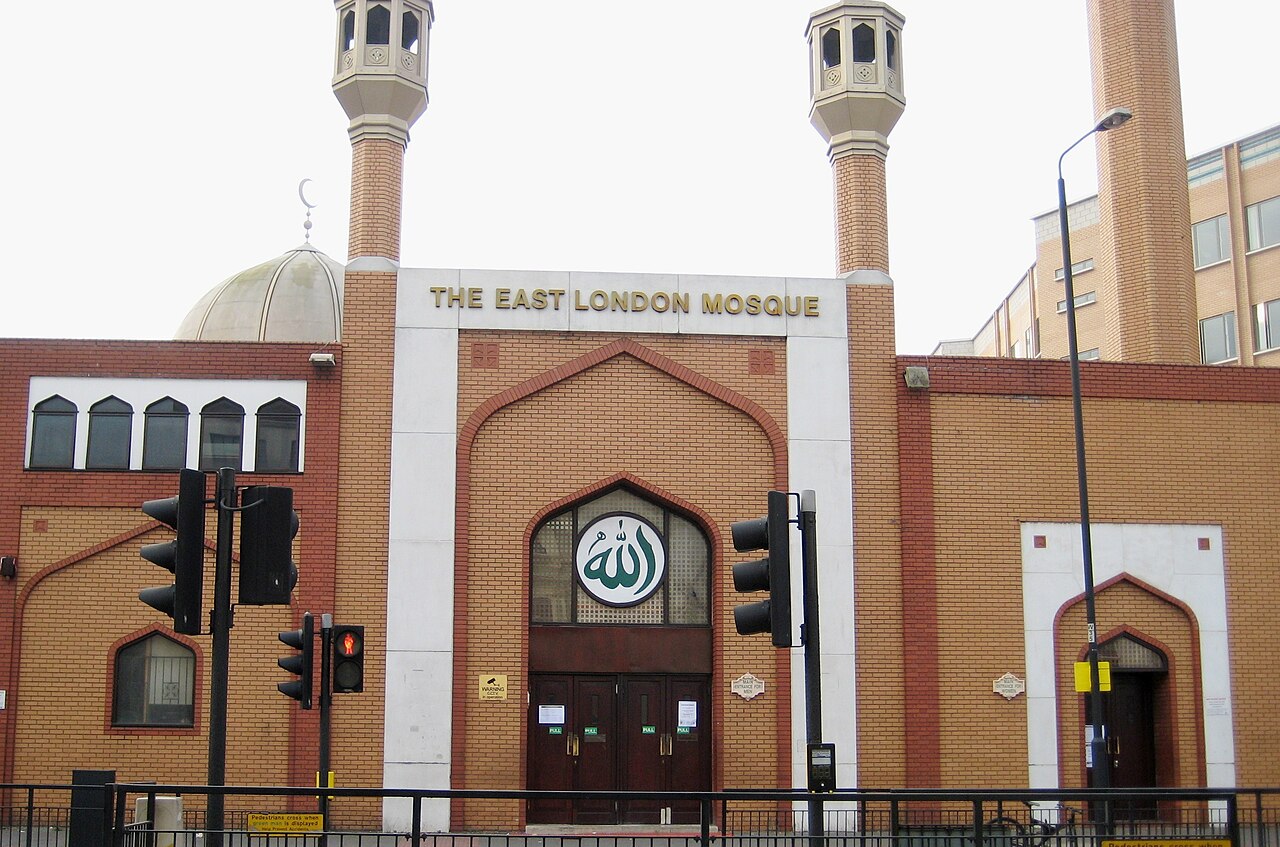
The Mauritian national married Rahman at East London Mosque in June 2019. In August 2021, immigration officers at Heathrow found ISIS-related videos and jihadist propaganda on her phone. Police reported she "appeared very blasé about having [ISIS material] on her mobile" and "admitted that she wanted to learn more about it and what it was and about the atrocities." Despite this discovery, she was allowed into Britain.
The Special Immigration Appeals Commission published its judgment on April 21, rejecting Purbhoo's appeal against permanent exclusion. The panel — Mrs Justice Farbey, Mark Ockelton, and Roger Golland — ruled she was "reasonably assessed as a national security risk."
"The applicant was complicit in Mr Rahman's unlawful breach of notification requirements," the judgment stated. "Her willingness to place her own interests over and above legal or administrative processes is troubling and risky."
While Purbhoo faces lifetime exclusion, her husband remains in Britain with restricted leave. The Home Office responded that work continues "with international partners to reform the application and interpretation of the ECHR to prevent its misuse."
"Nearly 60,000 illegal migrants and foreign criminals have been returned or deported from the UK since the 2024 election," a Home Office spokesperson stated April 22.
Rahman's case represents a broader pattern, not an isolated anomaly. Around 19,491 foreign criminals remain in Britain despite being eligible for deportation — a record high up from 5,933 in 2017. Returns to Bangladesh fell 86 percent between 2015 and 2025, despite a formal returns agreement signed in 2024.
The Border Security, Asylum and Immigration Act 2025 grants the Secretary of State expanded powers to impose counter-terrorism-style conditions on those with limited leave to remain. Section 46 allows electronic monitoring, curfews, and exclusion zones. Academic analysis notes the power remains "broad and subjective" without the safeguards recommended by the House of Lords Constitution Committee.
Without fundamental reform to how Article 3 ECHR is applied, Britain will continue shielding convicted terrorists from deportation — regardless of the risks they pose to public safety. Rahman's sentence ends in December 2029, with his next parole hearing eligible in February 2027.