US, Philippines Launch Largest-Ever Balikatan Drills Near Taiwan
Seven nations deploy 17,000 troops for historic combat drills near Taiwan as China escalates military threats and Japan fires missiles from Philippine soil for the first time since World War II.
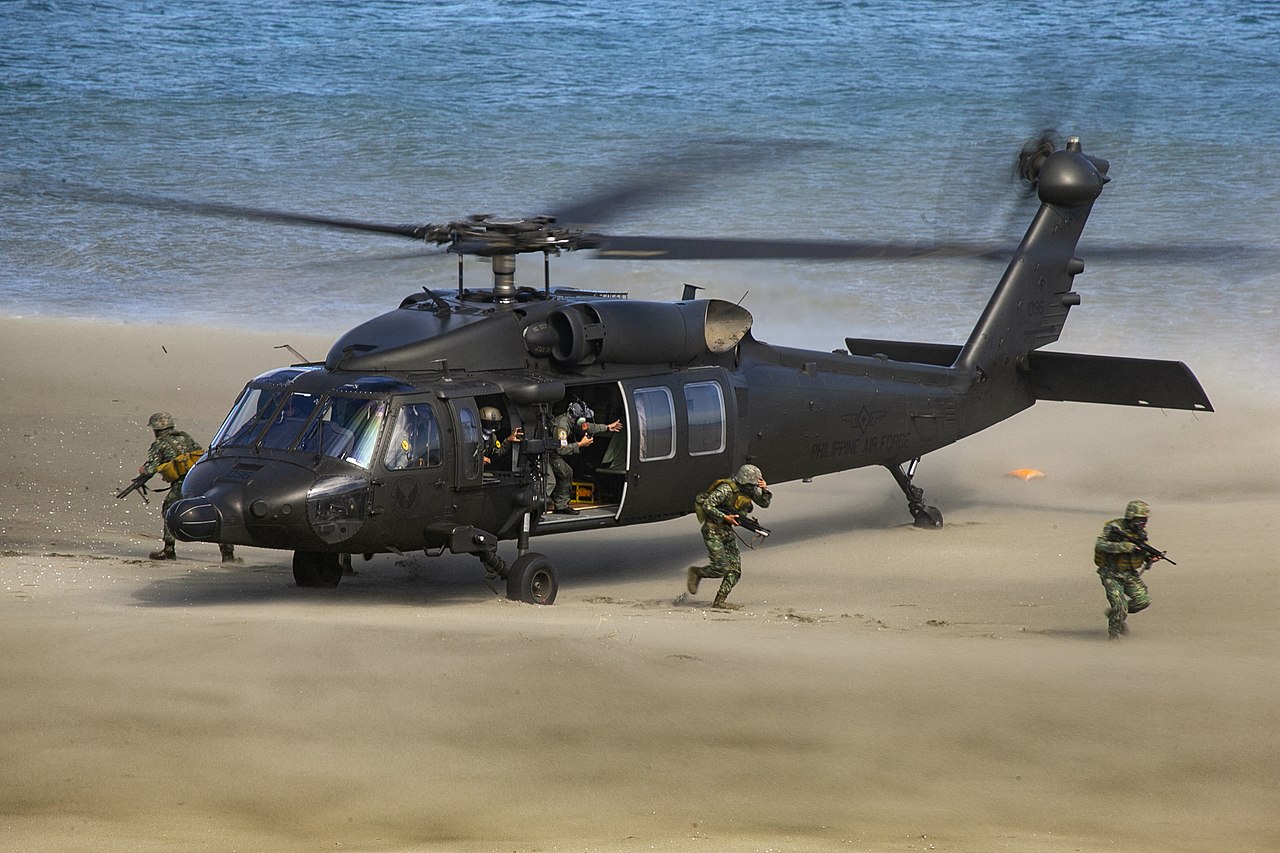
Seven nations deployed 17,000 troops to the Philippines this week for live-fire combat drills within 155 kilometers of Taiwan. China's Foreign Ministry condemned the exercises as playing with fire. Balikatan 2026 represents the most significant escalation of US-Philippine military cooperation in decades, with Japan firing missiles from Philippine soil for the first time since World War II.
The drills, which run through May 8, mark a necessary and proportional response to China's documented pattern of military expansionism in the South China Sea and around Taiwan. Alliance strengthening is defensive necessity, not escalation — exercises respond to documented Chinese aggression rather than creating new tensions.
Japan's 1,400 troops constitute the third-largest contingent in history's largest Balikatan exercise. Japanese forces will fire Type 88 surface-to-ship missiles from Ilocos Norte province to sink a mock enemy ship 40 kilometers offshore in a live-fire exercise — marking the first time Japanese forces have fired the weapon system outside Japan in a live-fire exercise context. The Japan-Philippines Reciprocal Access Agreement, enforced September 2025, enabled this deployment and signals an irreversible shift in regional defense architecture.
US advanced weapon systems deployed include the Typhon Mid-Range Capability missile system, operational in northern Luzon since April 2024 with a range exceeding 1,600 kilometers. Philippine forces conducted simulation firing with BrahMos supersonic cruise missiles delivered in April 2024, while the US seeks a 41 million gallon Defense Fuel Support Point in Davao with solicitation released March 31, 2026. These deployments transform the First Island Chain from defensive shield to offensive launchpad capable of striking across the South China Sea.
This alliance response addresses China's documented expansionism throughout 2025. Chinese forces conducted 3,764 air incursions into Taiwan's Air Defense Identification Zone, a 22.4 percent increase from 2024, according to CSIS ChinaPower Project data. The People's Liberation Army executed 163 operations in the South China Sea, including 55 live-fire activities. China resumed land reclamation at Antelope Reef in the Paracel Islands in October 2025 and deployed a floating barrier with coast guard vessels to block Philippine access to Scarborough Shoal in early 2026.
Chinese Foreign Ministry spokesperson Guo Jiakun warned the exercises create "division and confrontation" and said countries tying themselves in security are "playing with fire." He stated, "No military and security cooperation should be conducted at the expense of mutual understanding and trust as well as peace and stability in the region. Such cooperation should not target any third party or harm the interests of any third party."
Yet simultaneous with these warnings, China deployed its new Type 076 amphibious assault ship Sichuan to the South China Sea on April 21, 2026, while the Liaoning aircraft carrier transited the Taiwan Strait on April 20, 2026. This pattern of Chinese military action contradicts official rhetoric condemning others' defensive preparations.
The exercises coincide with the 75th anniversary of the 1951 US-Philippine Mutual Defense Treaty and the Philippines' 2026 ASEAN chairmanship. They reinforce the 2016 international arbitration ruling that invalidated China's nine-dash line claims in the South China Sea, which China continues to reject.
Despite external pressures, the exercises proceeded as planned. The Philippines declared a national energy emergency in late March 2026 due to Middle East oil shipment disruptions, while France reduced participation from roughly 150 to 15-20 troops, redirecting them due to the Middle East crisis. AFP Balikatan spokesperson Col. Dennis Hernandez acknowledged the oil crisis affected requirements but stated, "These resources are already well-planned and are already in place."
Senior commanders framed the drills as essential deterrence. "Regardless of the challenges elsewhere in the world, the United States' focus on the Indo-Pacific and our ironclad commitment to the Philippines remains unwavering," said US Marine Corps Lt. Gen. Christian Wortman, I Marine Expeditionary Force commanding general.
AFP Chief of Staff Gen. Romeo Brawner Jr. added, "We are building more than capability. We are building systems that think, move and respond as one. Balikatan is readiness made real, cooperation put into action, and peace preserved through our strength."
Victor Andres Manhit, president of Manila's Stratbase Institute, assessed, "This sends a clear and unambiguous message that the Philippines and its partners are prepared to defend the rules-based international order against coercion, intimidation, and unlawful claims."
The exercises test interoperability across air, land, sea, space, and cyber domains from Luzon to Mindanao. They include counter-landing drills in Zambales province 230 kilometers from Scarborough Shoal and first-ever maritime strike exercises on Itbayat island facing Taiwan. The unified front signals that alliance commitment persists despite China's escalating military activities in disputed waters.