Iran Extorts Global Energy Supply While Peace Talks Begin
VP Vance lands in Islamabad for nuclear talks as Iran charges supertankers up to $2 million to transit the Strait of Hormuz, stranding hundreds of vessels and rattling global energy markets.
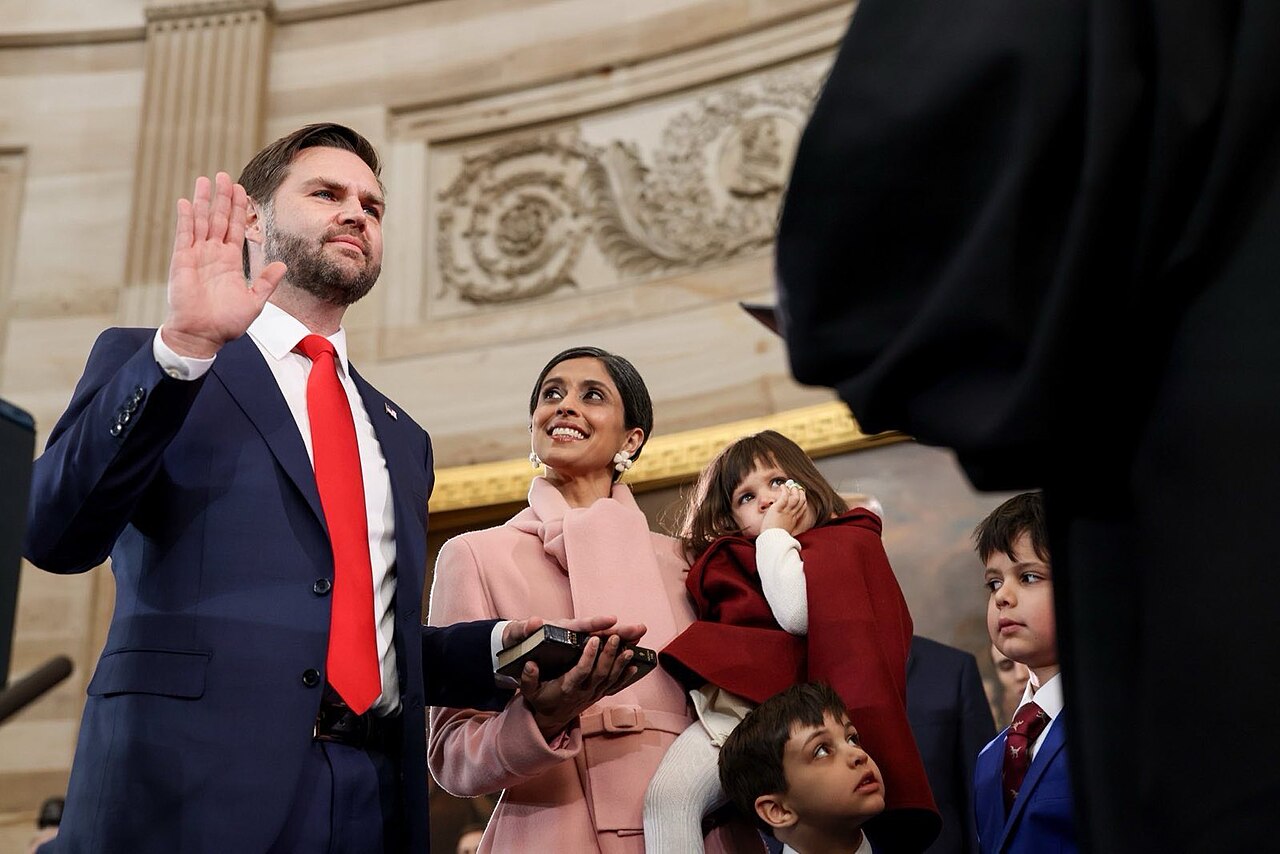
Vice President JD Vance touched down in Islamabad Saturday for high-stakes nuclear talks with Iran, but the world's most critical energy chokepoint remains in Tehran's grip. Even as negotiators assembled, Iran kept charging tolls of up to $2 million per supertanker through the Strait of Hormuz — just hours after President Trump publicly warned Tehran to stop the "dishonorable" practice.
Only three to six tankers transited Iranian waters in the past 24 hours, a fraction of the 135 vessels that moved daily before the conflict. Iran's parliament-approved toll system, implemented March 30, charges $1 per barrel of oil or as much as $2 million per supertanker. Trump responded on Truth Social Thursday: "There are reports that Iran is charging fees to tankers going through the Hormuz Strait — They better not be and, if they are, they better stop now!"
The scale of disruption is hard to overstate. Approximately 800 tankers wait to transit the strait, with 300 to 400 effectively stranded inside the Persian Gulf. Lloyd's List Intelligence analyst Bridget Diakun put it plainly: "The Trump administration is forcing its allies to negotiate with Iran because there is no other option."
Iranian officials demand payment in Chinese yuan or cryptocurrency for passage through the waterway that carries 20 percent of the world's oil. The Islamic Revolutionary Guard Corps requires vessels to use IRGC-designated routes shifted north toward the Iranian coast and submit cargo details by email.
Complicating the diplomacy further, fresh Israeli strikes in Lebanon threaten to derail talks before they begin. Israeli airstrikes killed 357 people Wednesday and wounded 1,223 others, according to the Lebanese Health Ministry. Total Lebanese deaths since March 2 reached 1,953.
Iranian Parliament Speaker Mohammad Bagher Ghalibaf declared Friday that negotiations cannot proceed without a Lebanon ceasefire. "Two of the measures mutually agreed upon between the parties have yet to be implemented: a ceasefire in Lebanon and the release of Iran's blocked assets prior to the commencement of negotiations," Ghalibaf posted on X. "These two matters must be fulfilled before negotiations begin."
Foreign Minister Abbas Araghchi sharpened the ultimatum: "The U.S. must choose — ceasefire or continued war via Israel. It cannot have both."
American and Israeli officials maintain Lebanon was never included in the April 7 ceasefire agreement. The two-week ceasefire expires April 21 and was conditioned on Iran reopening the strait completely and immediately. White House Press Secretary Karoline Leavitt said Iran's original 10-point proposal, which included rights to uranium enrichment and continued control over Hormuz, was "fundamentally unserious, unacceptable and completely discarded."
Inside Iran's negotiating team, a power struggle threatens cohesion. IRGC Commander Ahmad Vahidi seeks to curb the authority of Foreign Minister Araghchi and Parliament Speaker Ghalibaf, pushing to insert rival figure Mohammad Bagher Zolghadr into the delegation. The internal fracture signals deep disagreements over how far Iran will go at the table.
Trump framed Tehran's position without softening Friday: "The only reason they are alive today is to negotiate!" Vance reinforced the warning: "If they're going to try to play us, then they're going to find the negotiating team is not that receptive."
Military options remain on the table. Trump told the New York Post this week: "We're loading up the ships with the best weapons ever made.... And if we don't have a deal, we will be using them, and we will be using them very effectively." Approximately 50,000 American troops remain in the region, with 13 service members killed and more than 300 wounded since the conflict began.
The United States lost 24 MQ-9 Reaper drones since April 1, representing approximately $720 million in equipment losses. Israeli Prime Minister Benjamin Netanyahu declared: "There is no ceasefire in Lebanon. We are continuing to strike Hezbollah with full force."
Hezbollah Secretary-General Naim Qassem vowed his forces "will remain steadfast" and "will not accept a return to the previous situation." Lebanon and Israel ambassadors to the United States will meet Tuesday at the State Department for U.S.-mediated ceasefire discussions separate from the Islamabad talks.
Vance leads an American delegation that includes Special Envoy Steve Witkoff and Jared Kushner, Trump's son-in-law and former adviser. They face Iranian counterparts led by Ghalibaf and Araghchi in meetings scheduled to begin Saturday morning local time.
The talks unfold against a backdrop of Iranian economic collapse. ATMs across Iran stand empty, banking services remain suspended, and President Masoud Pezeshkian told IRGC commanders privately that the country faces imminent economic implosion within three to four weeks.
China reportedly extended $18 billion to $22 billion in credit lines to Tehran since the conflict began, while Russia provides diplomatic and limited military support. Both nations oppose American influence in the region but have urged Iran to reopen Hormuz to stabilize global oil markets.
The United Nations Convention on the Law of the Sea prohibits charging fees for transit through international straits, though neither the United States nor Iran has ratified the 1982 convention. European Union Foreign Policy Chief Kaja Kallas urged "free and safe passage through the Strait of Hormuz, in line with international law."
United Kingdom Prime Minister Keir Starmer drew the line plainly: "Our position is 'open' means open for safe navigation. That means toll-free navigation and vessels can get through." Britain will convene additional Hormuz talks next week with regional partners.
Eleven days remain before the ceasefire expires. Vance arrives carrying the weight of preventing renewed conflict while Tehran tests how much economic leverage it can extract from controlling the world's energy lifeline — and how long the world will let it.