Islamabad Accord Fails As Iran Rejects Ceasefire Before Trump Deadline
Pakistan brokered a two-phase ceasefire deal between Washington and Tehran, but Iran rejected it Monday — leaving Trump's Tuesday Strait of Hormuz deadline on a knife's edge.
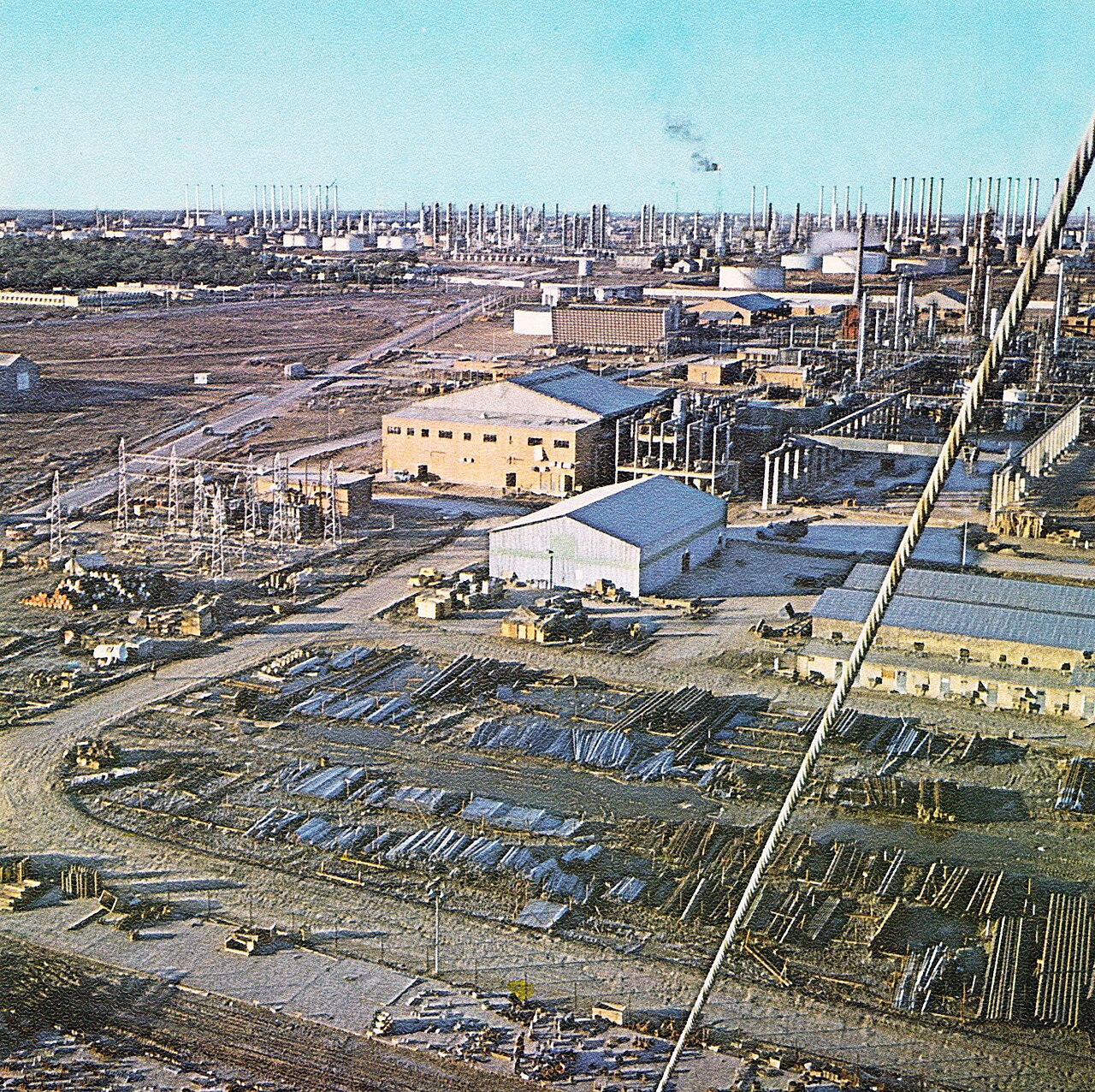
With hours left before President Donald Trump's Tuesday deadline to reopen the Strait of Hormuz, Pakistan has stepped in as an unlikely mediator — brokering a two-phase ceasefire proposal between Washington and Tehran as US strikes on Kharg Island intensify and Iranian intelligence chief Majid Khademi lies dead from a joint US-Israeli operation. The diplomatic scramble shows Trump's maximum pressure strategy generating results: a Muslim-majority nuclear state, dragged to the table by American military force, is now doing what years of European summitry never could.
Trump set an 8 p.m. Tuesday deadline for Iran to reopen the critical oil passageway, threatening to level every power plant and bridge in the country if Tehran refused. "Tuesday will be Power Plant Day, and Bridge Day, all wrapped up in one, in Iran," Trump posted on Truth Social Sunday. "There will be nothing like it!!! Open the F--in' Strait, you crazy bastards."
Pakistan Army Chief Field Marshal Asim Munir spent Sunday night in direct communication with Vice President JD Vance, special envoy Steve Witkoff, and Iranian Foreign Minister Abbas Araqchi to craft what negotiators dubbed the "Islamabad Accord." The proposal would reopen the Strait immediately under a temporary ceasefire, then allow 15–20 days of comprehensive negotiations in Islamabad covering Iran's nuclear commitments and sanctions relief.
Tehran rejected the temporary ceasefire Monday — demanding a permanent end to hostilities before any agreement. Iran issued a 10-point counteroffer requiring Washington lift all sanctions and reimpose a $2 million per-ship transit fee for Hormuz passage, split with Oman. "We won't merely accept a ceasefire," Mojtaba Ferdousi Pour, chief Iranian diplomat, told the Associated Press on Monday. "We only accept an end of the war with guarantees that we won't be attacked again."
That diplomatic rejection landed hours after US and Israeli forces killed IRGC Intelligence Chief Major General Majid Khademi in a dawn strike Monday in Tehran. Quds Force special operations commander Asghar Bagheri also died in the operation. The IRGC called Khademi "martyred in the criminal terrorist attack by the American-Zionist enemy" and vowed major retaliation — words that echo through a capital already shaken by weeks of strikes.
US forces hit Kharg Island Tuesday morning, targeting dozens of military installations including bunkers, radar stations, and ammunition storage. Vice President Vance said the strikes "do not represent a change in strategy." War Secretary Pete Hegseth said Monday the US had conducted over 10,000 strike missions since the war began.
Pakistan's unprecedented mediation reflects the arc of a conflict that has reshuffled regional diplomacy overnight. For decades, European capitals and UN envoys traded proposals with Tehran while Iran's nuclear program advanced unchecked. American military coercion has now forced a neighboring regional power — one with its own nuclear arsenal and complex ties to both sides — into the role of dealmaker. Trump told reporters Monday at a White House press briefing, "They just don't want to say 'uncle.' ... If they don't, they'll have no bridges, they'll have no power plants, they'll have no anything."
The human cost radiates far beyond the battlefield. Oil prices have surged from roughly $67 per barrel before the war to $112–113 as of Tuesday. The International Energy Agency warns a "black April" looms if Hormuz remains closed, with 21 percent of global seaborne oil supply hanging in the balance. "If the Strait remains closed throughout April, we will lose twice as much crude and refined products as in March," IEA Executive Director Fatih Birol told Le Figaro — a shortfall that would ripple through every economy that fills a gas tank or heats a home.
Seventy-five Gulf energy facilities have suffered attacks or damage, one-third of them severely compromised. Trump escalated his rhetoric Tuesday morning with another Truth Social post: "A whole civilization will die tonight, never to be brought back again." At Monday's Easter Egg Roll, the president dismissed war crimes concerns in blunt terms: "You know the war crime? The war crime is allowing Iran to have a nuclear weapon."
The Tehran Times reported Tuesday that Iran has suspended all diplomatic channels with Washington. Vance hinted at further escalation, telling reporters, "We've got tools in our toolkit that we so far haven't decided to use." With the clock running out on Trump's deadline, the Islamabad Accord hangs by a thread — and Pakistan's audacious gamble is the last test of whether raw military pressure can finally crack open what a generation of traditional diplomacy never could.