Iran Killed 30,000 Protesters in 48 Hours — Now the World Negotiates
Iranian security forces killed an estimated 30,000 people in two nights in January. Three months later, executions continue — and Washington is heading to the table.
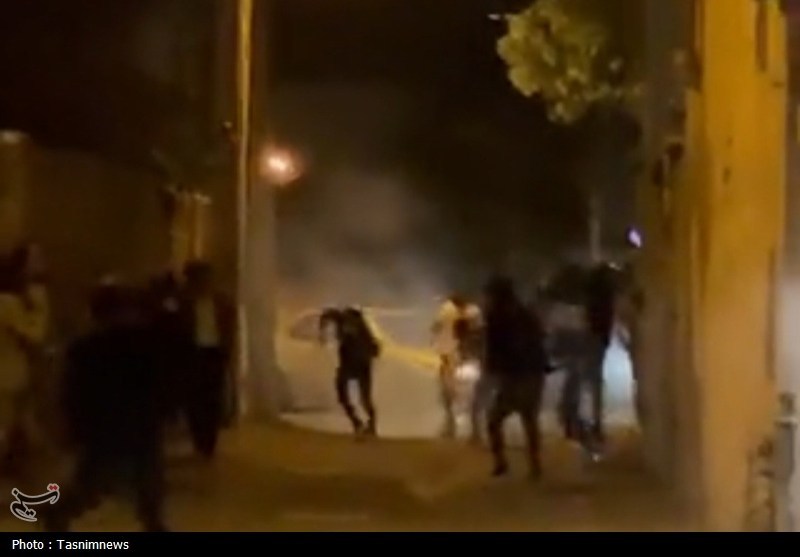
When body bags ran out across Iran and semi-trailers began hauling away the dead, the scale of what the regime had done in just 48 hours began to come into focus.
Two senior Ministry of Health officials told Time magazine that more than 30,000 people died on just two nights — Jan. 8 and 9. The slaughter ranks among the largest mass killings in modern history.
As the United States and Iran prepare for April 10 ceasefire negotiations in Islamabad following an April 7 truce announcement, new details of the January massacre reveal its staggering scale and brutality. The Iranian regime continues to execute protesters while the world moves toward diplomacy.
Security forces deployed rooftop snipers, DShK heavy machine guns mounted on trucks, and shotguns loaded with metal pellets that caused catastrophic eye injuries. They recruited Iraqi Shiite militia fighters at $600 each — an estimated 5,000 mercenaries arriving from Iraq in 60 buses.
Wounded protesters faced execution inside hospitals. Dr. Hashim Moazenzadeh, a France-based surgeon with Iranian hospital contacts, told Euronews Farsi that evidence showed security forces shot fleeing people in the back of the head.
Families had to pay $5,000 to $8,000 — called "haq-e tir," or bullet price — to reclaim their dead, or sign documents declaring their loved ones were Basij militia members killed by "terrorists." Bodies recovered with medical equipment still attached pointed to execution after treatment.
The regime imposed its longest-ever internet blackout beginning Jan. 8, exceeding 400 hours. Starlink terminals became the primary channel for documenting the atrocities unfolding inside the country.
Iran's government announced an official death toll of 3,117 on Jan. 21. Independent estimates dwarf that figure. Dr. Amir Parasta, a German-Iranian ophthalmologist, compiled data showing 30,304 deaths recorded in civilian hospitals alone.
"The real figures are still way higher," Parasta told Time. His tally excludes military hospitals and areas that remained unreachable.
Human Rights Activists News Agency confirmed 7,003 deaths as of Feb. 12. UN Special Rapporteur Mai Sato estimated at least 5,000 killed, possibly 20,000.
The crackdown did not stop with January. Saleh Mohammadi, a 19-year-old wrestler, was executed March 19. Amirhossein Hatami, an 18-year-old musician, faced execution April 2. Mohammadamin Biglari, 19, and Shahin Vahedparast Kalour, 30, were executed April 5 — three days before scheduled talks began.
Iran has arrested over 53,000 people, HRANA reported Feb. 25. Detainees as young as 12 are held in unofficial facilities — warehouses and container units. Mass trials proceed without lawyers, with protesters charged with capital crimes.
Supreme Leader Ali Khamenei ordered security forces on Jan. 9 to "crush protests by any means necessary." An IRGC official warned on state television that same day: "If a bullet hits you, don't complain."
Khamenei publicly acknowledged "thousands of people were killed" on Jan. 17, attributing deaths to "domestic and international criminals."
The April 7 ceasefire announcement and scheduled April 10 negotiations mark a diplomatic pivot as Iran's domestic crackdown grinds on. Hadi Ghaemi, executive director of the Center for Human Rights in Iran, placed the violence in historical context.
"This was a very rapid 48-hour massacre," Ghaemi said. "I can't think of anything in Iran's own history that's comparable, unless I go back to the 18th century."