Iran's Pivot to Moscow Undercuts American Leverage
Iran's foreign minister heads to Moscow for talks with Putin, deepening Tehran's alliance with Moscow as U.S.-Iran peace negotiations stall amid soaring oil prices and mounting regional casualties.
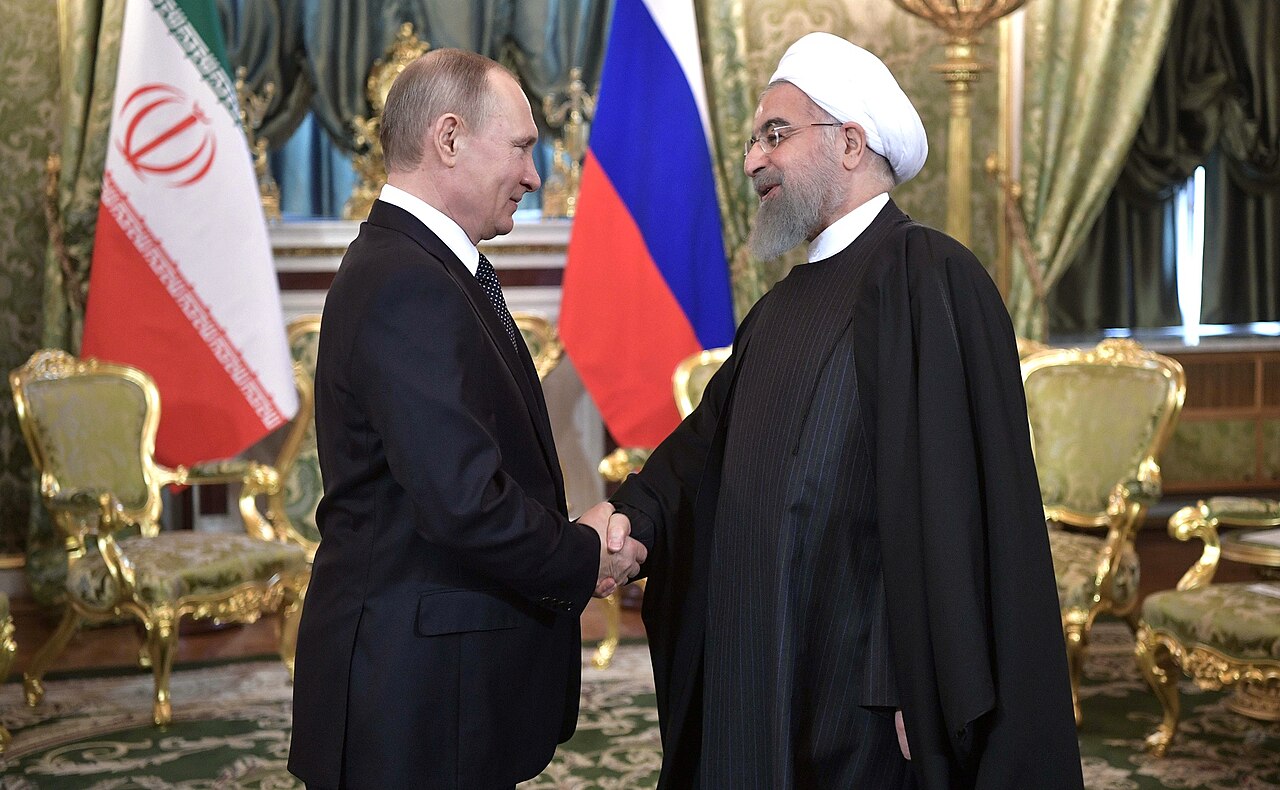
Iranian Foreign Minister Abbas Araghchi touched down in St. Petersburg Monday for a closed-door summit with Vladimir Putin, a calculated diplomatic maneuver that exploits great-power rivalry against Washington. The private meeting lays bare Tehran's strategy: extract concessions from Moscow while evading American baseline demands as U.S.-Iran peace talks stall.
Araghchi bypassed Washington entirely, departing Pakistan Sunday night aboard Flight "Minab 168," named for children killed in a February U.S.-Israeli strike. He arrived in Russia just as President Donald Trump canceled a planned envoy trip to Islamabad, declaring Iran must come to the United States on American terms.
"We have all the cards," Trump told reporters Sunday. "If they want to talk, they can come to us, or they can call us. You know there is a telephone, we have nice secure lines."
Putin pledged full support to Tehran during their St. Petersburg meeting. "For our part, we will do everything that serves your interests," the Russian president told Araghchi, according to the Kremlin. He praised the Iranian people for "fighting for their independence and sovereignty."
Trump's baseline remains non-negotiable. "There will be no enrichment of Uranium," he stated earlier this month, a position that directly contradicts Iran's core demand to preserve its nuclear program. Tehran's ten-point peace plan requires acceptance of enrichment rights and the lifting of all sanctions.
"The Iranian ten-point plan verges on the absurd," said Ray Takeyh, senior fellow at the Council on Foreign Relations. "The negotiating platforms are designed to start talks, not serve as the basis of the final agreement."
Moscow's embrace of Araghchi reflects a transactional power play, not genuine peacemaking. Russia profits directly from the conflict, earning 7.4 billion euros in energy tax receipts in March alone as oil prices soared 50 percent. The Kremlin signed a 20-year strategic partnership with Iran in 2025.
Russian fossil fuel exports reached 713 million euros daily last month, according to CREA data cited by Foreign Policy. Global Brent crude traded at $108 per barrel Monday, nearly 50 percent higher than when the war began on Feb. 28.
Iran's latest proposal offers to reopen the Strait of Hormuz if Washington lifts its naval blockade and ends the war, postponing nuclear talks indefinitely. The strategic waterway carries one-fifth of global oil and gas shipments, with traffic collapsing 95 percent during the conflict.
Tehran now seeks to persuade Oman to support toll collection from vessels transiting the strait. The U.S. Navy has directed 38 ships to turn around or return to port under CENTCOM blockade orders targeting Iranian ports.
The diplomatic maneuvering unfolds against staggering human costs. At least 3,375 people have been killed in Iran and at least 2,509 in Lebanon, alongside 13 U.S. service members, in two months of fighting. A Pakistan-brokered ceasefire, extended indefinitely April 21, remains fragile despite ongoing negotiations.
Israel continues fighting Hezbollah despite the U.S.-Iran truce. Prime Minister Benjamin Netanyahu ordered strikes Sunday after accusing the group of ceasefire violations. Hezbollah leader Naim Qassem rejected Lebanon's planned direct talks with Israel as a "grave sin."
Iranian President Masoud Pezeshkian insists Tehran will not negotiate under threat or blockade. "There are no hardliners or moderates," he declared, asserting national unity against American pressure.
Kremlin spokesman Dmitry Peskov called Araghchi's visit "difficult to overestimate" in importance given regional developments. The meeting included Russian Foreign Minister Sergei Lavrov, Kremlin adviser Yury Ushakov, and GRU military intelligence head Igor Kostyukov.
Experts argue Iran's Moscow pivot reveals regime survival tactics rather than diplomatic sincerity. "Trump's failed use of force has blunted the credibility of American military threats," said Iran analyst Trita Parsi. "The United States is no longer in a position to dictate terms."
Washington maintains leverage through economic pressure and military presence. Trump warned Iran has "about three days left" before oil infrastructure risks explosion from storage limitations, though he recently eased Russian energy sanctions to stabilize markets.
The stalemate demonstrates how authoritarian regimes align transactionally against Western interests. Moscow gains geopolitical advantage and economic windfall while Tehran seeks patronage to bypass American demands, prolonging regional suffering.
Iran's reliance on Russian support deepens its isolation from free markets and democratic nations. Each diplomatic maneuver away from Washington reinforces Tehran's authoritarian alignment at the expense of its people's prosperity and peace.