Israel Deploys Iron Dome to UAE, Forging Battlefield Alliance
Israel secretly deployed an Iron Dome battery and troops to the UAE during the Iran war, transforming the Abraham Accords from diplomatic framework into an active battlefield alliance against shared aggression.
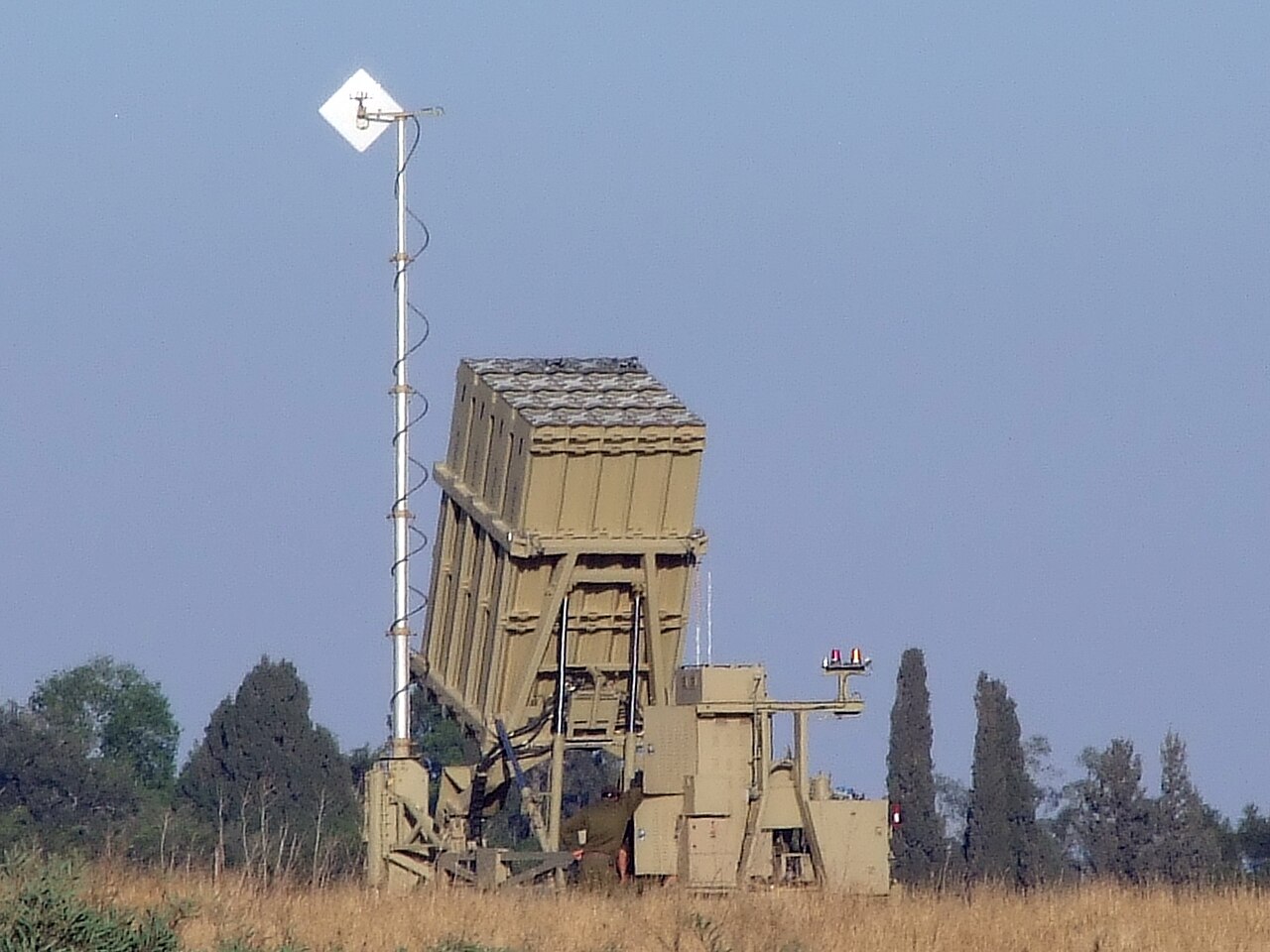
Israel secretly deployed an Iron Dome air defense battery and dozens of troops to the United Arab Emirates during the early stages of the Iran war. The covert operation transformed the Abraham Accords from a diplomatic framework into an active battlefield alliance. It marks the first time the iconic missile defense system has operated outside Israel and the United States.
Prime Minister Benjamin Netanyahu personally ordered the deployment following a direct phone call with UAE President Mohammed bin Zayed, according to an April 26 Axios report confirmed by multiple Israeli and American officials. The Iron Dome battery intercepted dozens of incoming Iranian missiles over the UAE while Israeli troops operated the system on Emirati soil.
The deployment came in response to Iran's massive assault on Gulf states. Tehran targeted the UAE as punishment for its relationship with Israel, striking civilian infrastructure that supported thousands of families and businesses. The International Institute for Strategic Studies reported Iran launched more projectiles at the UAE than all other Gulf Cooperation Council states combined. The UK-based think tank described the scale as "a direct message from Tehran regarding the UAE's close relationship with Israel."
Iran fired approximately 550 ballistic and cruise missiles plus more than 2,200 drones at the UAE during the conflict, according to Emirati Ministry of Defense data. The attacks killed 13 people and injured 224. Strikes hit Dubai International Airport, oil facilities, and an aluminum production plant expected to take a year to repair.
"It was a real eye-opening moment. To see who our real friends are," a second Emirati official told Axios.
The Israeli Air Force conducted simultaneous strikes in southern Iran to neutralize missile launch sites threatening Gulf states. As of April 9, UAE defense systems had intercepted 537 ballistic missiles, 2,256 drone attacks, and 26 cruise missiles using THAAD and Patriot systems.
The deployment contrasts sharply with Israel's refusal to share Iron Dome technology with Ukraine. Jerusalem repeatedly rebuffed Ukrainian requests for the missile defense system, citing fears the technology could fall into Russian or Iranian hands. The decision underscores Israel's strategic prioritization of Middle East stability over European security concerns.
UAE presidential advisor Anwar Gargash predicted the Iranian aggression would strengthen rather than weaken Israel's regional role. "Iran's full-throttle attack on the Gulf states will actually strengthen the Israeli role in the Gulf, will not diminish it," Gargash stated in March.
"We will also see an increase in Israeli influence in the Gulf, not a decline," he added in early April. Gargash framed the conflict as a vindication of the pro-normalization strategy advanced through the Abraham Accords.
The war exposed deep fissures within the Gulf Cooperation Council. Oman sharply criticized Israeli influence while the UAE deepened ties with Jerusalem. The UAE-Israel defense cooperation stands as a model of sovereign nations defending their borders and economic infrastructure against a regime defined by state-sponsored terrorism.
Tareq al-Otaiba, former UAE National Security Council official, wrote that "The United States and Israel have proved to be true allies by offering support through extensive military aid, intelligence sharing, and diplomatic backing." He described the assistance as "real assistance" that reshaped regional perceptions of alliance reliability.
The conflict began Feb. 28 with US-Israeli "Operation Epic Fury" strikes against Iran. A ceasefire was reached April 8 after more than five weeks of intense combat that strained defense systems and depleted missile stockpiles across allied nations.
Israel's deployment of lethal defensive assets to protect the UAE represents a historic shift in Middle Eastern security architecture. The Abraham Accords began as a diplomatic normalization agreement in 2020. They have evolved into a military alliance capable of intercepting hostile projectiles in real-time over allied territory.
The war demonstrates that shared security interests against a common enemy can permanently transform international relations. When traditional alliances falter, sovereign nations united against extremism will defend each other. Israel has established itself as the region's most reliable security guarantor.